- Key Takeaways
- Filter press maintenance prevents 90% of breakdowns through systematic daily checks (10 minutes), weekly inspections (30 minutes), and scheduled service intervals.
- Proper maintenance reduces operating costs by 50%, extends equipment life by 40%, and improves filtration efficiency by 30%.
- Key focus areas include hydraulic system care, filter cloth cleaning, and plate alignment – with clean cloths being the #1 factor for optimal performance.
Ever had a filter press break down right in the middle of a critical production run?
I get it. It’s frustrating. And expensive.
Here’s the thing: filter press maintenance doesn’t have to be complicated. In fact, with the right approach, you can prevent 90% of breakdowns before they happen.
I’ve spent the last decade working with industrial filtration equipment. And I’ve seen firsthand how proper maintenance can double (or even triple) the lifespan of a filter press.
In this guide, as a professional filter press manufacturer, I’ll show you exactly how to maintain your filter press like a pro. We’re talking daily checks, preventive maintenance schedules, and troubleshooting tips that actually work.
Sound good? Let’s dive in.
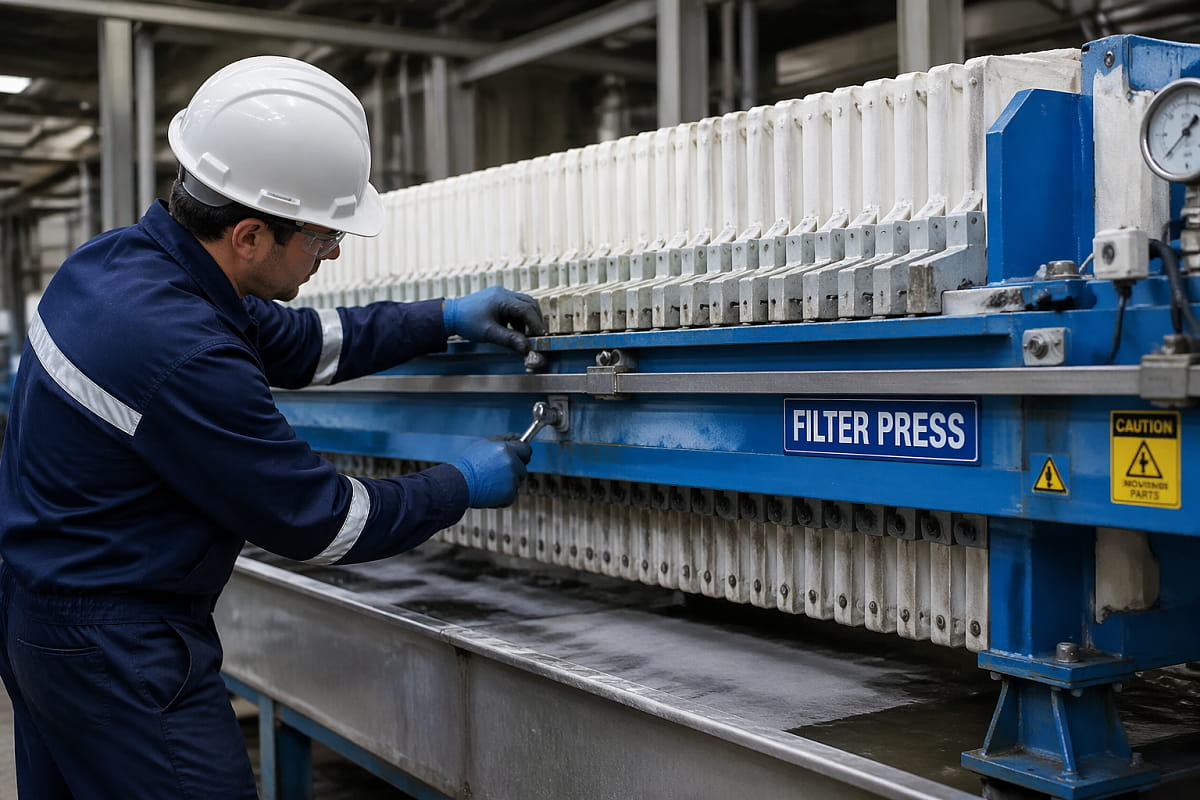
What Exactly Is Filter Press Maintenance?
Filter press maintenance is the systematic care and upkeep of your filtration equipment to ensure optimal performance and longevity.
Think of it like maintaining your car. Skip the oil changes, and you’re looking at a blown engine. Skip filter press maintenance, and you’re facing unplanned downtime, poor filtration quality, and hefty repair bills.
But here’s what most people get wrong:
They think maintenance is just about fixing things when they break.
Wrong.
Smart maintenance is about preventing problems before they start. It’s about catching that small hydraulic leak before it becomes a system failure. It’s about replacing filter cloths before they’re completely shot.
The bottom line? Regular maintenance keeps your filter press running at peak efficiency while minimizing costly surprises.
Why Filter Press Maintenance Matters (More Than You Think)
Let me share a quick story.
A chemical plant I worked with ignored their maintenance schedule for six months. The result? Their filter press failed catastrophically, causing:
- 3 days of downtime
- $45,000 in emergency repairs
- Lost production worth $120,000
Ouch.
On the flip side, companies that follow a solid maintenance program see:
- 75% fewer breakdowns
- 40% longer equipment lifespan
- 30% better filtration efficiency
- 50% reduction in operating costs
Those aren’t made-up numbers. They’re based on real data from industrial operations.
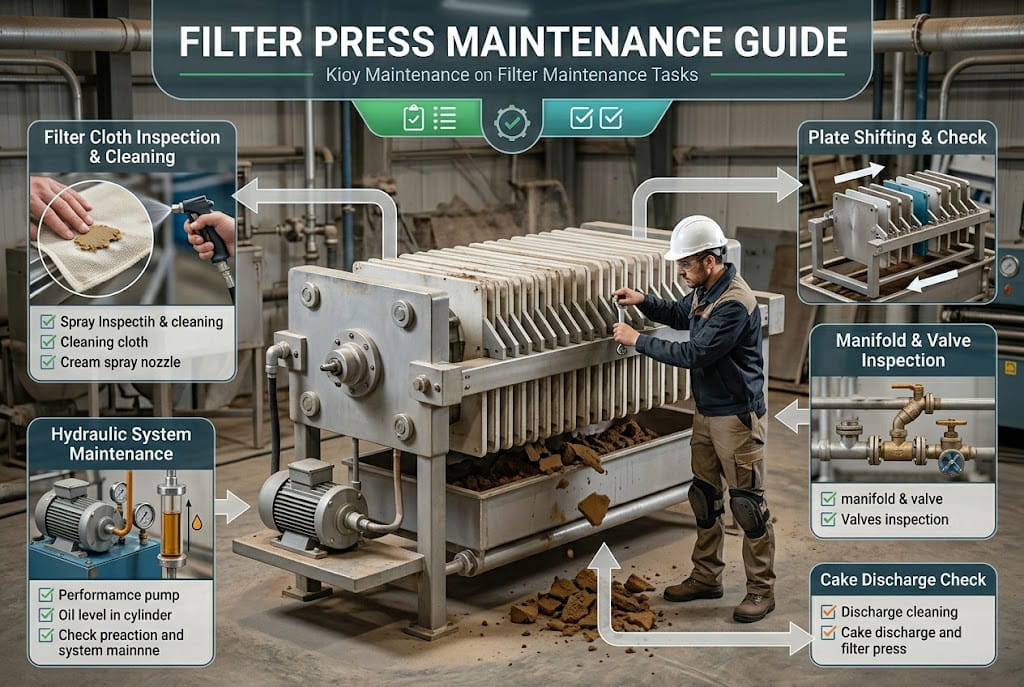
Filter Press Maintenance Guide
The Daily Maintenance Checklist That Takes Just 10 Minutes
Here’s my go-to daily checklist that’s saved countless headaches:
1. Visual Inspection (2 minutes)
Walk around your filter press. Look for:
- Oil leaks around hydraulic components
- Damaged or torn filter cloths
- Loose bolts or connections
- Unusual wear patterns on plates
Pro tip: Take photos of any issues you spot. It helps track problems over time.
2. Clean Filter Cloths (3 minutes)
This is huge.
Dirty filter cloths are the #1 cause of poor filtration performance. Here’s what to do:
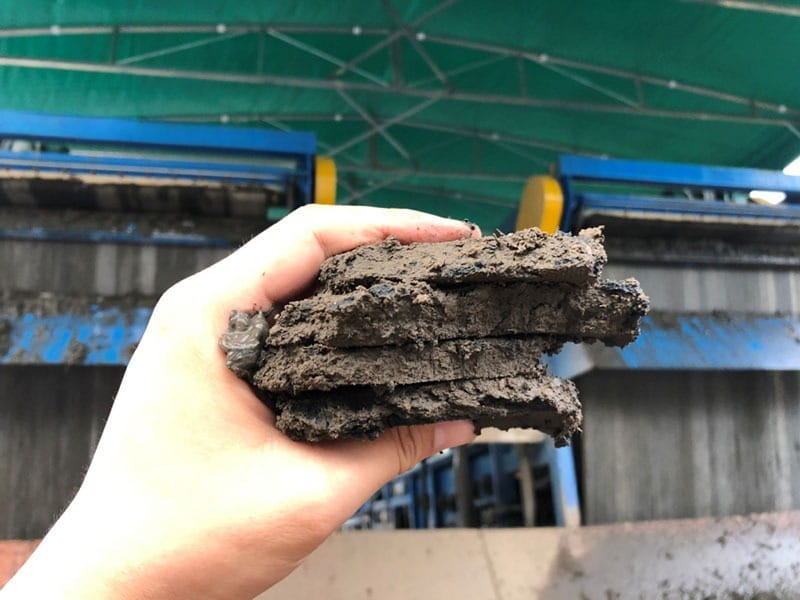
- Remove cake residue between cycles
- Check for blinding (clogged pores)
- Use a pressure washer if needed
- Look for tears or excessive wear
Remember: Clean cloths = dry cakes = happy operators.
3. Check Hydraulic System (2 minutes)
Your hydraulic system is the heart of your filter press. Check:
- Oil level (should be between min/max marks)
- Oil color (milky = water contamination)
- System pressure during operation
- Any unusual noises or vibrations
4. Inspect Sealing Surfaces (2 minutes)
Run your hand along the plate edges. Feel for:
- Rough spots
- Built-up material
- Damaged gaskets
- Misaligned plates
Clean surfaces mean better seals and zero leakage.
5. Quick Operational Check (1 minute)
Start a test cycle and verify:
- Smooth plate movement
- Proper pressure buildup
- No unexpected leaks
- Normal cycle time
That’s it. Ten minutes that can save you thousands.
The Weekly Deep-Dive Maintenance Routine
Once a week, set aside 30 minutes for these tasks:
Thorough Cloth Inspection
Remove a few filter cloths and examine them closely. Look for:
- Stretched or deformed areas
- Chemical degradation
- Embedded particles
- Thinning fabric
I recommend keeping a “cloth condition log.” Track which cloths show wear first – it often reveals operational issues.
Hydraulic System Deep Check
Go beyond the daily visual:
- Check all hoses for soft spots or bulges
- Tighten any loose fittings
- Verify pressure relief valve settings
- Test emergency stop functions
Plate Alignment Verification
Misaligned plates cause uneven pressure and premature wear. Here’s how to check:
- Close the press without slurry
- Measure gaps between plates (should be uniform)
- Check plate shifter alignment
- Adjust as needed
Fastener Audit
Vibration loosens bolts over time. Check and tighten:
- Sidebar bolts
- Hydraulic cylinder mounting
- Plate handle connections
- Feed pipe clamps
Mark checked bolts with paint. If the mark breaks, you know it’s loosened.
Monthly Maintenance: The Stuff That Really Extends Equipment Life
This is where you catch problems before they become expensive:
1. Comprehensive Hydraulic Service
- Sample oil for contamination analysis
- Replace filters (even if they “look fine”)
- Check cylinder rod condition
- Test all safety interlocks
Fun fact: 70% of hydraulic failures come from contaminated oil. Regular oil analysis catches issues early.
2. Full Cloth Replacement Assessment
Not all cloths wear equally. Create a replacement schedule based on:
- Position in the press
- Slurry characteristics
- Operational hours
- Visual condition
Replace cloths proactively. Waiting until failure costs more in downtime.
3. Mechanical Component Inspection
- Lubricate all moving parts
- Check chain tension (if applicable)
- Inspect sidebar wheels
- Verify limit switch operation
4. Electrical System Check
Often overlooked but critical:
- Tighten electrical connections
- Check motor amp draw
- Verify control panel indicators
- Test emergency stops
Quarterly Maintenance: The Deep Stuff
Every three months, schedule a half-day for thorough maintenance:
Complete Hydraulic Oil Change
Even if oil “tests good,” consider changing it. Fresh oil:
- Improves system response
- Reduces wear
- Prevents unexpected failures
- Costs way less than repairs
Plate Refurbishment
Examine every plate for:
- Cracks (use dye penetrant testing)
- Warping (check with straight edge)
- Gasket groove condition
- Feed port wear
Minor issues? Address them now. Major damage? Order replacements before failure.
Full System Calibration
- Pressure transducer calibration
- Flow meter verification
- Timer accuracy checks
- Safety system testing
Accurate instruments = optimal performance.
Annual Maintenance: The Big Picture Stuff
Once a year, bring in the pros for:
Professional Inspection
An outside expert spots things you might miss:
- Structural integrity
- Hidden wear patterns
- Upcoming failure points
- Optimization opportunities
Major Component Overhaul
- Hydraulic cylinder rebuild
- Pump reconditioning
- Complete electrical audit
- Control system updates
Think of it as your filter press’s annual physical.
Common Problems and How to Fix Them
Let me share the most frequent issues I see:
Problem 1: Wet Filter Cakes
Symptoms: Sloppy cakes, extended cycle times, poor solid capture
Causes:
- Blinded filter cloths (most common)
- Low feed pressure
- Torn cloths
- Improper chemical conditioning
Fix:
- Clean or replace cloths
- Verify feed pump operation
- Check for cloth damage
- Review chemical dosing
Problem 2: Leaking Between Plates
Symptoms: Slurry spraying out, wet floor, pressure loss
Causes:
- Dirty sealing surfaces
- Worn gaskets
- Bent plates
- Insufficient closing pressure
Fix:
- Clean all sealing surfaces
- Replace damaged gaskets
- Check plate alignment
- Verify hydraulic pressure
Problem 3: Slow or Stuck Plate Movement
Symptoms: Plates won’t shift, jerky movement, unusual noises
Causes:
- Dirty shifter mechanism
- Low hydraulic pressure
- Worn components
- Misalignment
Fix:
- Clean and lubricate shifter
- Check hydraulic system
- Inspect wear components
- Realign as needed
The Tools You Actually Need
Skip the fancy stuff. Here’s what really matters:
Essential Tools:
- Pressure washer (minimum 2000 PSI)
- Torque wrench set
- Hydraulic pressure gauge
- Digital calipers
- Inspection mirror
- Quality flashlight
Nice-to-Have Tools:
- Infrared thermometer
- Ultrasonic thickness gauge
- Borescope camera
- Vibration analyzer
Spare Parts to Keep On Hand:
- Filter cloths (complete set)
- Hydraulic oil (50 gallons)
- Common gaskets
- Hydraulic hoses
- Electrical fuses
- Pressure gauge
Pro tip: Track parts usage. If you’re constantly replacing the same component, investigate why.
Creating Your Custom Maintenance Schedule
Every operation is different. Here’s how to build your perfect schedule:
Step 1: Assess Your Operation
- Running hours per day
- Slurry characteristics
- Environmental conditions
- Equipment age
Step 2: Start with Manufacturer Recommendations
Use them as a baseline, then adjust based on experience.
Step 3: Track Everything
Log:
- Maintenance performed
- Issues found
- Parts replaced
- Unusual observations
Step 4: Adjust Based on Data
If you’re finding issues between scheduled maintenance, increase frequency.
Step 5: Train Your Team
The best schedule fails without proper execution. Invest in training.
ROI of Proper Maintenance (The Numbers Don’t Lie)
Let’s talk money. Because that’s what matters to management.
Typical filter press: $50,000 – $200,000
Annual maintenance cost: $5,000 – $15,000
Cost of major breakdown: $20,000 – $100,000
Do the math. Proper maintenance pays for itself many times over.
Here’s a real example:
A wastewater plant spent $12,000 annually on maintenance. Result:
- Zero unplanned downtime (previous: 5 incidents/year)
- 30% better cake dryness
- 50% longer cloth life
- Extended equipment life by 8 years
Total savings: $85,000 per year.
Advanced Maintenance Strategies for 2026
The maintenance game is changing. Here’s what’s new:
Predictive Maintenance
- Vibration monitoring
- Oil analysis trending
- Thermal imaging
- Performance analytics
IoT Integration
Smart sensors track:
- Cycle counts
- Pressure trends
- Temperature variations
- Component wear
Digital Twin Technology
Virtual models predict failures before they happen.
AI-Powered Diagnostics
Machine learning identifies patterns humans miss.
The future is here. Embrace it.
Maintenance Mistakes That Kill Filter Presses
Learn from others’ failures:
Mistake 1: “If It Ain’t Broke, Don’t Fix It”
Wrong. By the time it breaks, you’ve lost money.
Mistake 2: Cheaping Out on Parts
Knockoff cloths save 20% upfront but cost 200% in downtime.
Mistake 3: Ignoring Small Leaks
Today’s drip is tomorrow’s flood.
Mistake 4: Skipping Documentation
No records = no trending = surprised by failures.
Mistake 5: One-Size-Fits-All Maintenance
Your press is unique. Treat it that way.
Building a Maintenance Culture
Great maintenance isn’t just about tasks. It’s about mindset.
Make It Everyone’s Job
Operators should:
- Report issues immediately
- Perform basic cleaning
- Track performance changes
- Suggest improvements
Reward Proactive Maintenance
Recognize employees who:
- Spot problems early
- Suggest improvements
- Maintain equipment properly
- Reduce downtime
Continuous Improvement
- Regular maintenance meetings
- Root cause analysis
- Benchmarking against industry standards
- Investing in training
The Bottom Line on Filter Press Maintenance
Look, I get it. Maintenance feels like a cost center. It’s not sexy. It doesn’t directly make product.
But here’s the truth:
Proper filter press maintenance is the difference between a reliable operation and a money pit.
Start with the basics:
- Daily visual checks
- Weekly deep inspections
- Monthly component service
- Quarterly system reviews
- Annual professional audits
Track everything. Adjust based on results. Train your team.
Most importantly? Actually do it. The best maintenance program in the world means nothing if it stays on paper.
Your filter press is a significant investment. Treat it right, and it’ll serve you reliably for decades.
Skip the maintenance? Well, I’ve got some repair contractors who’d love to meet you.
The choice is yours.
Now stop reading and go check your hydraulic oil level. Your filter press will thank you.