- Key Takeaways
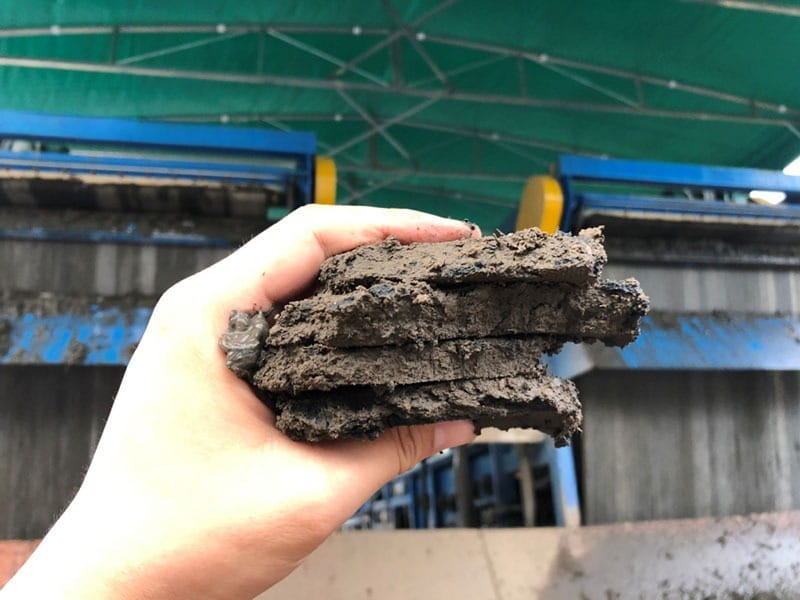
- Filter presses deliver 95% water recovery and 35-70% cake solids, cutting disposal costs by 60% while using 50-80% less energy than thermal methods.
- With 90% less maintenance downtime than belt filters and 70-90% smaller footprint than settling ponds, typical payback is 18-36 months.
- Pilot testing eliminates guesswork—start by analyzing current disposal, energy, and compliance costs to calculate your specific ROI.
Let me ask you something:
Are you still dealing with massive settling ponds? Wrestling with centrifuges that eat up your energy budget? Or maybe you’re just tired of disposal costs that keep climbing year after year?
Here’s the deal: The advantages of filter press technology are transforming how industries handle solid-liquid separation. And if you’re not using one yet, you’re probably leaving money on the table.
In this post, as a professional filter press manufacturer, I will share 7 advantages of filter press, some of them may shock your mind.
What Makes Filter Presses So Effective?
Think of a filter press like a giant mechanical sponge squeezer.
(Except way more sophisticated.)
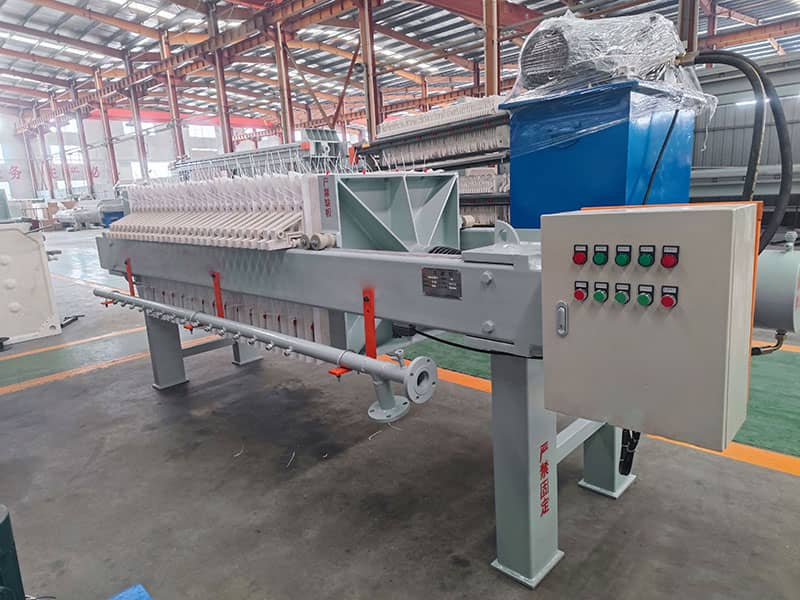
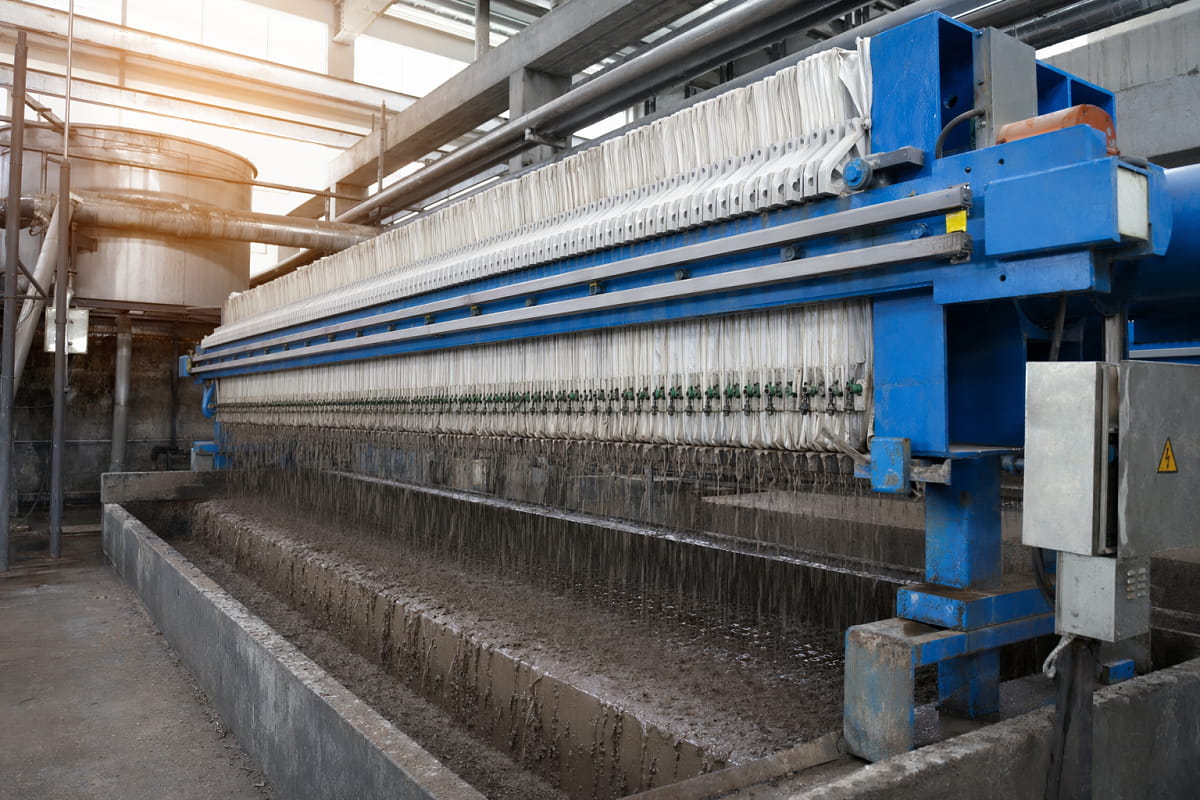
It takes your slurry—that messy mix of liquids and solids—and separates them using pressure and specially designed filter cloths. The result? Crystal clear filtrate on one side, and dry, stackable filter cake on the other.
But here’s what really matters:
Filter presses achieve up to 95% water recovery. That’s not a typo. While your competitors are dumping thousands of gallons down the drain, you’re recycling nearly all of it.
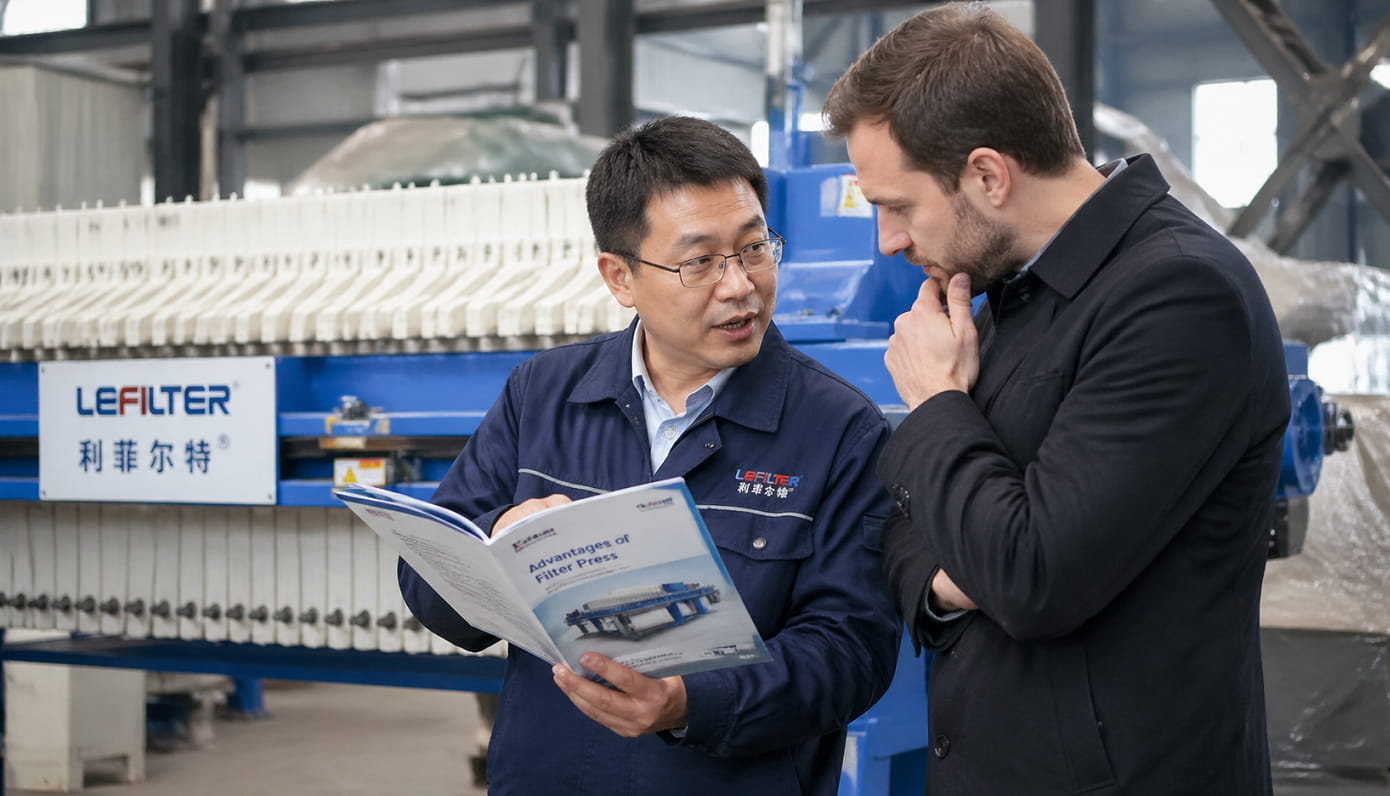
7 Game-Changing Advantages/Benefits of Filter Press
1. Drastically Lower Disposal Costs
Let’s talk money first (because that’s what matters to your bottom line).
Traditional sludge disposal methods are expensive. Really expensive. You’re paying for:
- Transportation costs
- Tipping fees
- Environmental compliance
- Handling wet, heavy material
Filter presses change the game completely.
By producing cakes with 35-70% solids content, you’re hauling less weight and volume. One mining operation I consulted with cut their disposal costs by 60% in the first year alone.
The math is simple: Drier cake = Less weight = Lower costs.
2. Superior Solid-Liquid Separation
Here’s where filter presses really shine.
Compared to belt filters or settling tanks, the separation efficiency is off the charts. We’re talking about:
- Filtrate clarity that meets discharge standards
- Consistent cake dryness regardless of feed variations
- High solid capture rates (often above 99%)
Pro Tip: The combination of pressure and proper cloth selection means you’re capturing particles that other methods miss completely.
3. Energy Efficiency That Surprises Everyone
You might think all that pressure requires massive energy consumption.
Wrong.
Filter presses actually use 50-80% less energy than thermal drying methods. And compared to centrifuges? It’s not even close.
Here’s why:
- Single hydraulic motor vs. multiple high-speed motors
- Batch operation allows for off-peak energy usage
- No continuous mechanical motion required
- Pressure does the work, not heat or rotation
One chemical plant switched from centrifuges to filter presses and saw their energy bills drop by $180,000 annually.
4. Environmental Compliance Made Easy
Environmental regulations aren’t getting looser. (If anything, they’re tightening every year.)
Filter presses help you stay ahead of the curve:
- Cleaner discharge water that meets strict standards
- Reduced greenhouse gas emissions compared to thermal methods
- Elimination of settling pond risks (no overflow, no liner failures)
- Better heavy metal capture for hazardous waste applications
The bottom line? You’re not just meeting today’s standards—you’re prepared for tomorrow’s.
5. Operational Flexibility
Unlike continuous systems, filter presses adapt to YOUR schedule.
Need to process different materials? Change the filter cloth.
Production volumes fluctuating? Adjust cycle times.
Dealing with varying solid concentrations? Modify pressure settings.
This flexibility is huge for industries with:
- Seasonal variations
- Multiple product streams
- Changing waste characteristics
- Batch production requirements
6. Minimal Maintenance Requirements
I’ve seen centrifuges that need bearing replacements every 6 months. Belt filters with constant cloth tracking issues. Settling ponds that require annual dredging.
Filter presses? Different story entirely.
With fewer moving parts and robust construction, maintenance is refreshingly simple:
- Cloth replacement: Every 6-24 months (depending on application)
- Hydraulic system checks: Monthly
- Plate inspection: Quarterly
- Major overhauls: Rarely needed
One wastewater treatment plant reported 90% less maintenance downtime after switching from belt filters.
7. Space-Saving Design
Land is expensive. Especially near industrial facilities.
While settling ponds can sprawl across acres, a filter press fits in a fraction of the space. We’re talking about:
- 70-90% less footprint than traditional settling systems
- Vertical operation that maximizes floor space
- Indoor installation possibilities
- Modular expansion options
Real-World Applications (Where Filter Presses Excel)
Mining and Mineral Processing
The mining industry has embraced filter press technology for good reason.
Tailings management becomes manageable. Metal recovery rates improve. Water recycling hits new highs. And those massive tailings ponds? Many operations are eliminating them entirely.
Key applications include:
- Concentrate dewatering
- Tailings processing
- Precious metal recovery
- Acid mine drainage treatment
Municipal Wastewater Treatment
Cities worldwide are upgrading to filter presses for biosolids management.
Why? Because producing Class A biosolids opens up beneficial reuse options. Instead of landfilling, that cake becomes fertilizer, fuel, or construction material.
Chemical and Pharmaceutical Manufacturing
When product purity matters, filter presses deliver.
The closed system prevents contamination. Automated operation ensures consistency. And the ability to capture valuable solids means nothing goes to waste.
Comparing Technologies (The Hard Truth)
Let’s be honest about alternatives:
Centrifuges:
- Higher energy consumption
- More maintenance
- Lower cake dryness
- Continuous operation limits flexibility
Belt Filters:
- Wetter cake output
- Higher polymer usage
- More operator attention required
- Limited pressure capability
Settling Ponds:
- Massive land requirements
- Weather dependent
- Environmental risks
- Long retention times
Thermal Drying:
- Extreme energy costs
- Air emissions concerns
- High capital investment
- Complex operation
Filter presses consistently outperform these alternatives in total cost of ownership.
Making the Investment Decision
Here’s what to consider:
Initial Capital
Yes, filter presses require upfront investment. But when you factor in:
- Reduced operating costs
- Minimal maintenance
- Energy savings
- Disposal reductions
The payback period typically ranges from 18-36 months.
Sizing and Configuration
Work with experienced engineers who understand:
- Your specific slurry characteristics
- Production volumes
- Space constraints
- Automation needs
Pro Tip: Pilot testing is worth every penny. It eliminates guesswork and ensures optimal performance.
Automation Levels
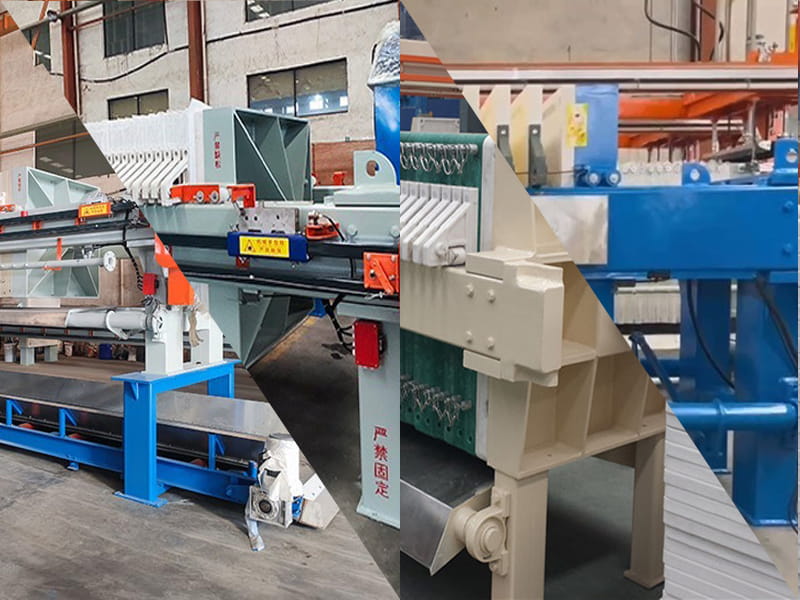
Modern filter presses offer everything from manual to fully automated operation.
Consider automating if you have:
- High labor costs
- Multiple shifts
- Consistent feed materials
- Safety concerns
Future-Proofing Your Operation
The advantages of filter press technology extend beyond today’s needs.
As environmental regulations tighten, water becomes scarcer, and disposal costs rise, filter presses position you for long-term success. Industries investing now are seeing:
- Improved sustainability metrics
- Enhanced reputation
- Competitive advantages
- Operational resilience
Taking Action
Ready to explore filter press advantages for your operation?
Start here:
- Analyze current costs (disposal, energy, maintenance, compliance)
- Identify pain points (wet cake, high polymer use, space constraints)
- Calculate potential savings (use manufacturer ROI tools)
- Request pilot testing (verify performance with your materials)
- Plan implementation (consider phased approach if needed)
The industries already using filter presses aren’t looking back. They’re too busy counting the savings and enjoying the operational improvements.
In 2026, with environmental pressures mounting and operational efficiency more critical than ever, the advantages of filter press systems make them not just a smart choice—but often the only choice that makes sense.
The question isn’t whether to switch to filter press technology. It’s how quickly you can make it happen before your competitors do.