Ever wondered how industries turn muddy wastewater into clean water and dry solids?
The answer lies in a workhorse piece of equipment called a filter press.
I’ve seen firsthand how what is filter press used for can transform messy industrial processes into clean, efficient operations. And today, as a professional filter press manufacturer, I’m going to break down main uses of filter press and why they’re essential across these industries.
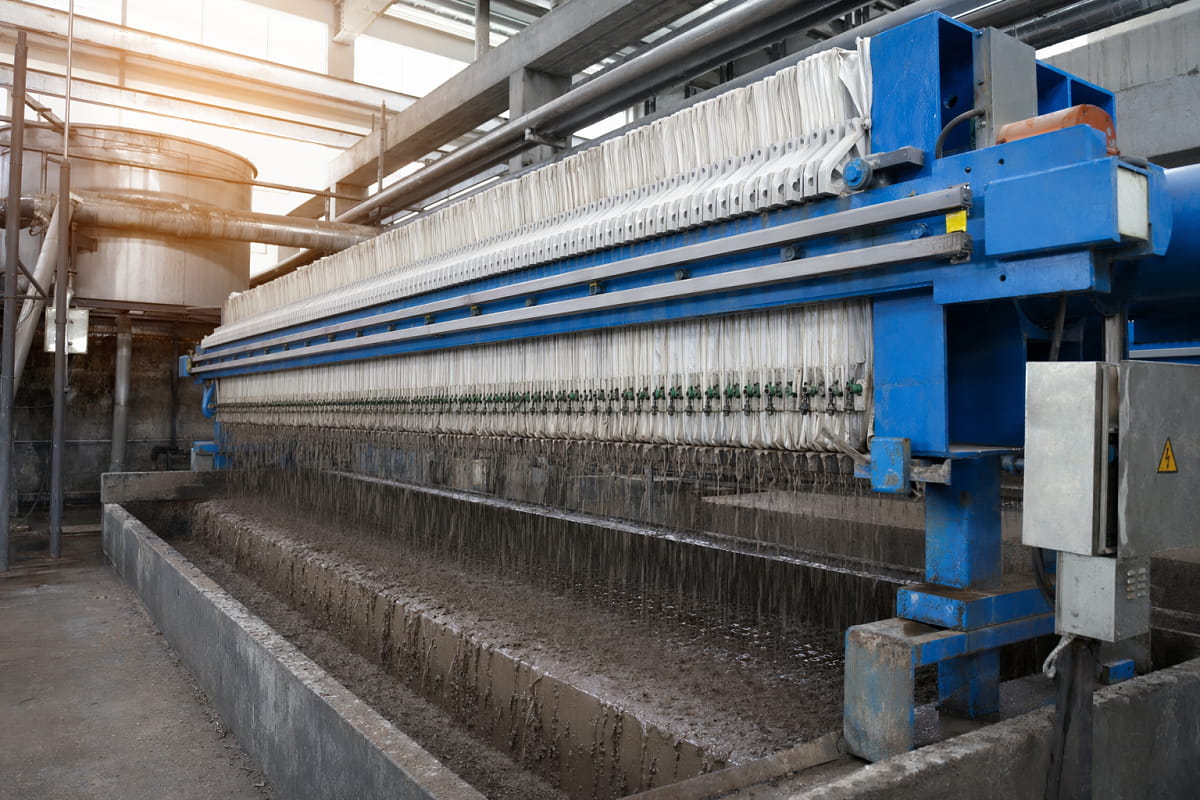
The Filter Press: Your Industrial Separation Solution
Here’s the deal:
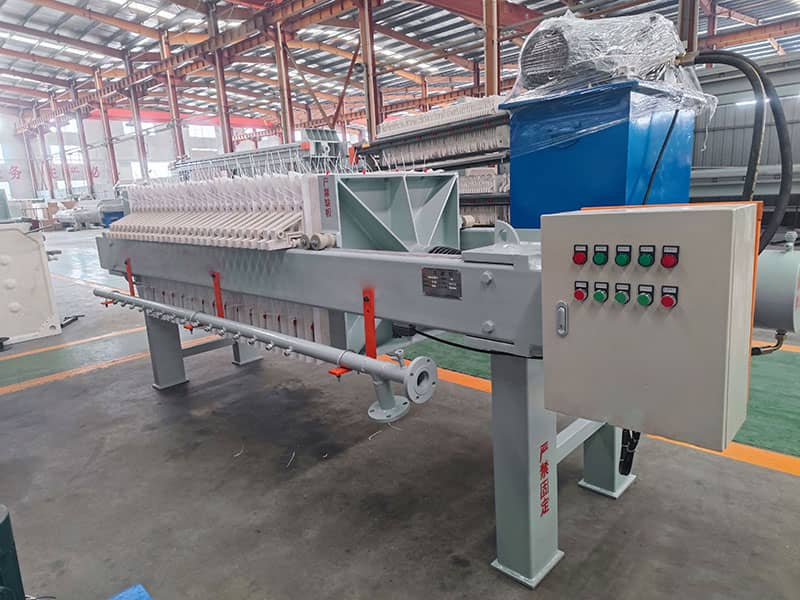
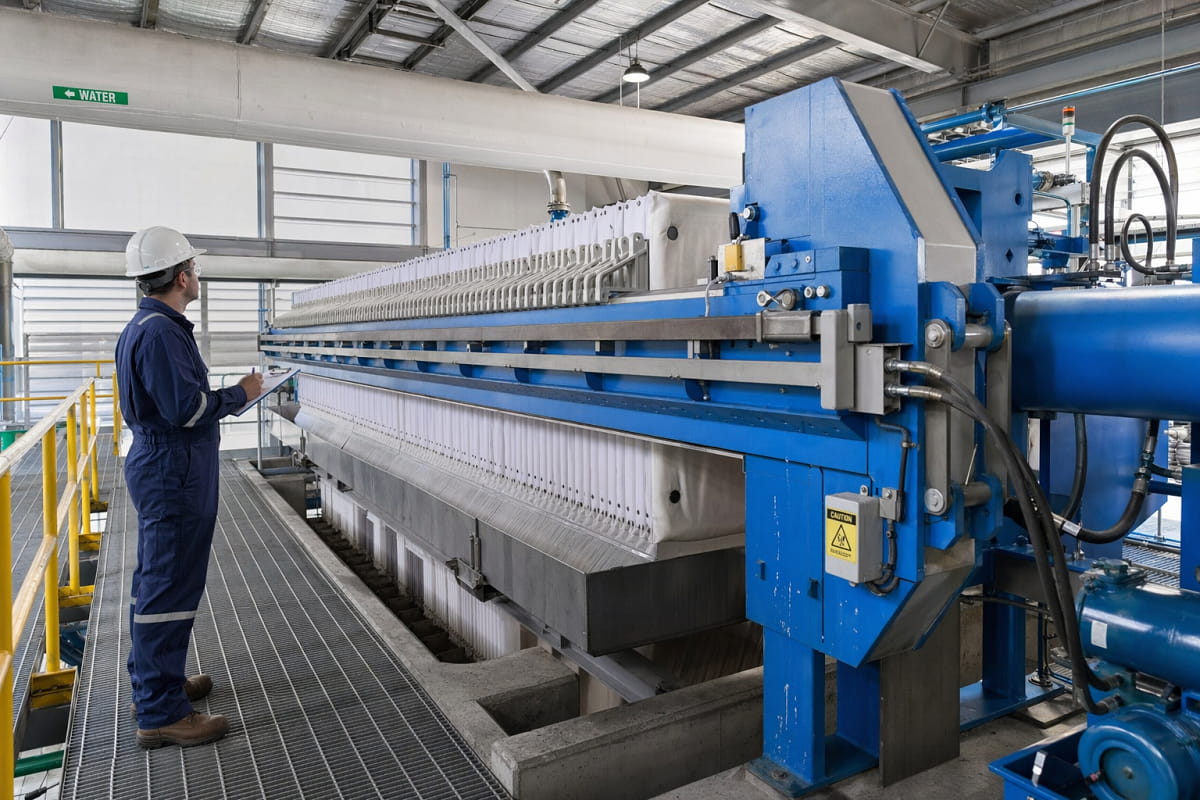
A filter press is basically a heavy-duty machine that squeezes liquids out of solids. Think of it like a giant mechanical sponge press, but way more sophisticated.
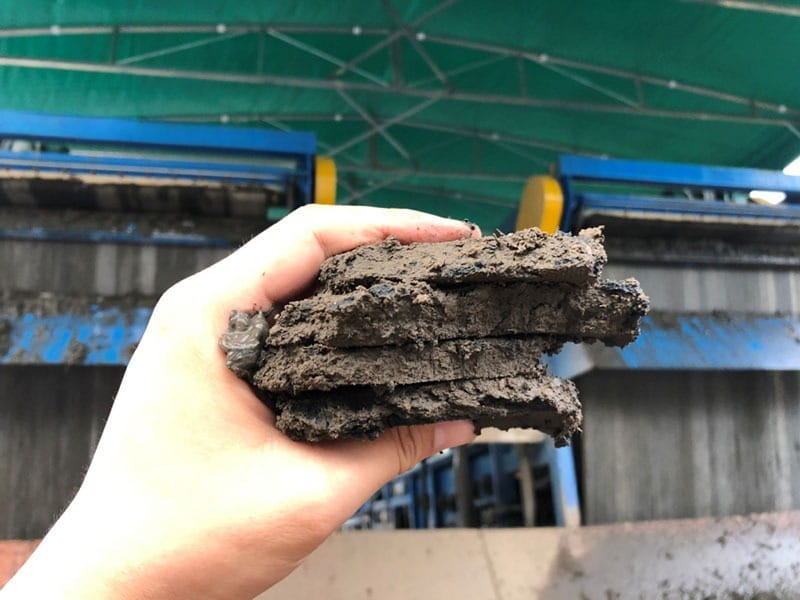
The process is surprisingly simple. You pump in a slurry (that’s just a fancy word for a mixture of liquids and solids), apply pressure, and out comes clean liquid on one side and dry cake on the other.
But here’s where it gets interesting:
Filter presses can handle everything from toxic sludge to food products. They’re the unsung heroes of industrial separation.
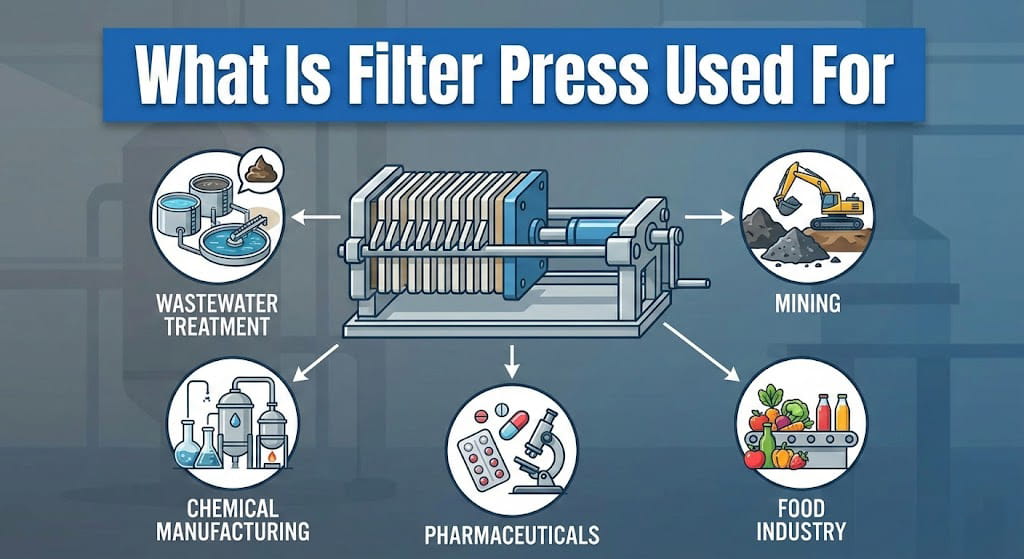
What Is Filter Press Used For: Main Industries Cover
Now here’s where things get really interesting.
Filter presses aren’t just for one industry. They’re everywhere.
Wastewater Treatment Plants
This is the big one.
Municipal and industrial wastewater facilities use filter presses to dewater sludge. Instead of trucking away tons of wet sludge, they create compact, dry cakes that are way cheaper to dispose of.
I’ve seen facilities reduce their disposal costs by 50-70% just by switching to filter presses.
Mining and Metallurgy
Mining operations generate massive amounts of slurry. Filter presses help them:
- Recover valuable minerals from process water
- Dewater tailings for safer storage
- Meet environmental regulations
- Reduce water consumption
One copper mine I worked with recovered 95% of their process water using filter presses. That’s millions of gallons saved annually.
Chemical Manufacturing
Chemical plants use filter presses for:
- Separating chemical precipitates
- Recovering catalysts
- Clarifying solutions
- Producing dry pigments and dyes
The beauty here? Filter presses can handle corrosive chemicals that would destroy other equipment.
Food and Beverage Industry
This might surprise you:
Filter presses are huge in food production. They’re used for:
- Clarifying fruit juices
- Extracting oils from seeds
- Processing beer and wine
- Refining sugar
Pro tip: The next time you drink crystal-clear apple juice, thank a filter press.
Pharmaceutical Manufacturing
Drug companies need ultra-pure separation. Filter presses deliver by:
- Harvesting biomass
- Separating active ingredients
- Removing impurities
- Meeting strict FDA requirements
Why Filter Presses Beat Other Separation Methods
Let’s get real for a second.
There are other ways to separate liquids from solids. Centrifuges, belt presses, rotary drums – they all work.
But filter presses have some serious advantages:
1. Drier Cakes
Filter presses typically achieve 25-35% moisture content. Compare that to 70-80% from a belt press.
2. Higher Clarity
The filtrate from a filter press is often clear enough to reuse immediately.
3. Lower Operating Costs
No continuous power consumption like centrifuges. Just pump, press, and release.
4. Durability
I’ve seen filter presses run for 30+ years with basic maintenance.
5. Versatility
From tiny lab units to massive industrial presses, they scale to any operation.
Real-World Results That Matter
Here’s a case study that blew my mind:
A metal finishing plant was spending $200,000 annually on sludge disposal. They installed a filter press system for $150,000.
The results?
- Sludge volume reduced by 85%
- Disposal costs dropped to $30,000/year
- ROI in less than 12 months
- Recovered chrome worth $50,000 annually
That’s the power of proper dewatering.
Choosing the Right Filter Press for Your Application
Not all filter presses are created equal.
Here’s what you need to consider:
Capacity Requirements
- How much slurry do you process daily?
- What’s your target cycle time?
- Do you run 24/7 or batch operations?
Material Compatibility
- Corrosive chemicals need stainless steel or plastic plates
- Food applications require FDA-approved materials
- High temperatures demand special gaskets and cloths
Automation Level
- Manual presses work great for small operations
- Automatic plate shifters speed up large-scale operations
- Full automation minimizes labor costs
Space Constraints
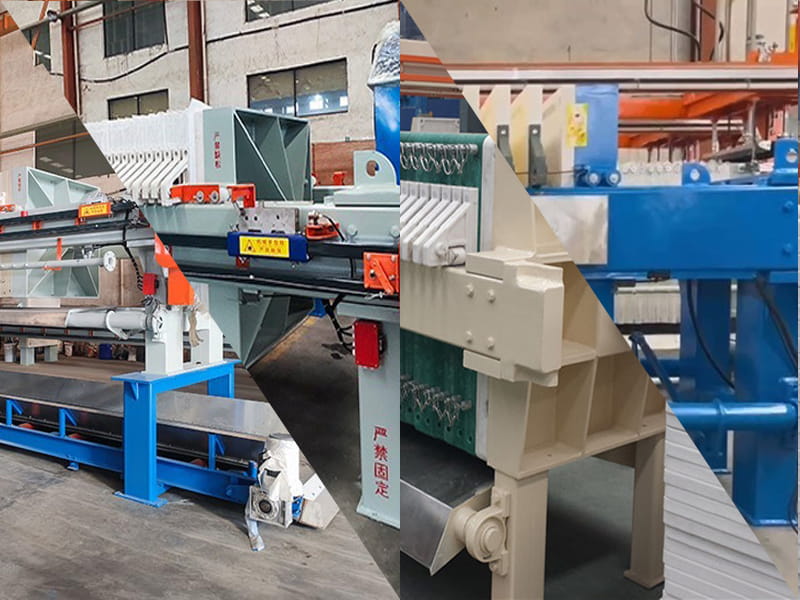
- Overhead beam designs save floor space
- Sidebar presses offer easier maintenance access
- Consider ceiling height for plate stack opening
Common Mistakes to Avoid
I’ve seen plenty of filter press installations go wrong. Here are the big mistakes:
1. Undersizing the Press
Always plan for future growth. A slightly larger press costs marginally more but provides huge flexibility.
2. Ignoring Cloth Selection
The wrong filter cloth kills performance. Match the cloth to your specific application.
3. Skipping Pilot Testing
Never buy based on assumptions. Test your actual slurry first.
4. Forgetting About Cake Handling
Great, you made dry cakes. Now what? Plan your disposal system upfront.
Making the Investment Decision
Let me be straight with you:
Filter presses aren’t cheap. A quality industrial unit runs $50,000 to $500,000+.
But here’s how to think about ROI:
Calculate your current costs for:
- Sludge disposal
- Water purchase
- Regulatory compliance
- Labor for handling wet materials
Then factor in the savings from:
- Reduced disposal volume (usually 70-90%)
- Water recovery and reuse
- Recovered materials value
- Lower transportation costs
Most operations see payback in 1-3 years.
Your Next Steps
Ready to explore filter press options for your operation?
Start here:
- Analyze Your Current Process
- Measure your slurry volume and characteristics
- Calculate current separation costs
- Identify pain points
- Define Your Goals
- Target moisture content
- Required throughput
- Automation preferences
- Test Before You Buy
- Request pilot testing with your actual materials
- Compare different press configurations
- Validate performance claims
- Plan the Full System
- Feed pumps and piping
- Cake handling equipment
- Control systems integration
Remember: In the world of industrial filtration, the filter press isn’t just another piece of equipment. It’s the difference between expensive waste disposal and profitable resource recovery.