
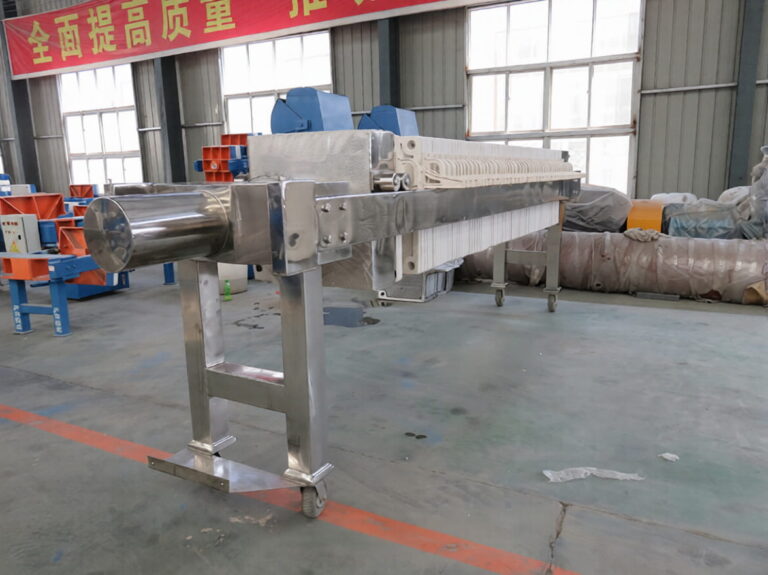
Cost-Effective Stainless Steel Coated Filter Press
In aggressive chemical environments, standard painted steel frames corrode quickly, while solid stainless steel machines can be prohibitively expensive. The Stainless Steel Coated (Clad) Filter Press offers the perfect middle ground.
We take a heavy-duty Q345B carbon steel structural frame and encase the entire structure—beams, legs, and cylinder body—in a protective layer of SUS304 or SUS316L Stainless Steel. This provides superior resistance to acid and alkali splashing without the high cost of solid stainless steel construction.
Why Choose "Coated" vs. "Solid"?
Why pay for solid stainless steel when only the surface needs protection?
1. Cost Savings (30-50% Cheaper):
- Solid stainless steel is expensive and softer than carbon steel. By using a carbon steel core, we reduce material costs significantly while maintaining the same external corrosion resistance.
2. Structural Strength:
- Carbon steel (Q345B) offers higher tensile strength and rigidity than stainless steel for the main beams. This ensures the frame won’t deform under high hydraulic pressure (up to 20 bar).
3. Superior Protection:
- The cladding is welded and polished to form a seamless shield. It protects the machine from corrosive slurry splashes, acid fumes, and harsh cleaning agents.
Built to Last in Harsh Environments
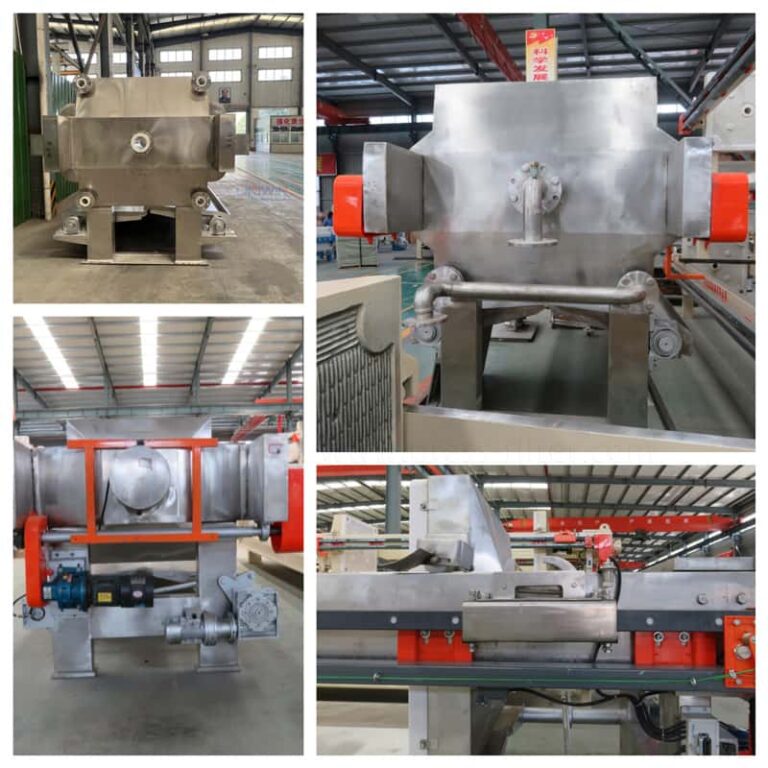
- Full Cladding Coverage:
- Main Beams: Covered in 2mm-3mm thick SS304/316 plate.
- Legs & Supports: Fully encased.
- Hydraulic Cylinder: Protective SS cover.
- Oil Tank: Optional SS tank or SS lining.
- Seamless Welding: All joints are fully TIG welded and polished to prevent liquid ingress between the layers.
- Plate Options: Compatible with standard PP plates, membrane plates, or even CGR (gasketed) plates for leak-free operation.
Model Specifications
| Model | Filter area(m2) | Plate size (mm) | Cake thickness (mm) | Filter chamber volume(L) | Plate Number (pcs) | Filtration pressure (Mpa) | Motor power (KW) | Weight (KG) | Dimensions (L*W*H) (mm) |
|---|---|---|---|---|---|---|---|---|---|
| XMY4/450-30U | 4 | 500*500 | 30 | 60 | 9 | ≤0.6 | 2.2 | 860 | 1950*700*900 |
| XMY6/450-30U | 6 | 91 | 14 | 910 | 2200*700*900 | ||||
| XMY8/450-30U | 8 | 121 | 19 | 960 | 2450*700*900 | ||||
| XMY15/630-30U | 15 | 700*700 | 226 | 18 | 1725 | 2640*900*1100 | |||
| XMY20/630-30U | 20 | 297 | 24 | 1993 | 2940*900*1100 | ||||
| XMY30/630-30U | 30 | 452 | 37 | 2360 | 3590*900*1100 | ||||
| XMY40/630-30U | 40 | 595 | 49 | 2788 | 4300*900*1100 | ||||
| XMY30/870-30U | 30 | 870*870 | 460 | 23 | 2580 | 3330*1400*1300 | |||
| XMY50/870-30U | 50 | 748 | 38 | 3318 | 4260*1400*1300 | ||||
| XMY60/870-30U | 60 | 902 | 46 | 3712 | 4700*1400*1300 | ||||
| XMY80/870-30U | 80 | 1210 | 62 | 4561 | 5580*1400*1300 | ||||
| XMY80/1000-30U | 80 | 1193 | 46 | 5259 | 5120*1500*1400 | ||||
| XMY100/1000-30U | 100 | 1473 | 57 | 5985 | 5800*1500*1400 | ||||
| XMY120/1000-30U | 120 | 1777 | 69 | 6776 | 6500*1500*1400 | ||||
| XMY100/1250-30U | 100 | 1250*1250 | 1468 | 36 | 6728 | 5020*1770*1600 | |||
| XMY160/1250-30U | 160 | 2341 | 58 | 8205 | 6450*1770*1600 | ||||
| XMY200/1250-30U | 200 | 2896 | 72 | 10851 | 7360*1770*1600 | ||||
| XMY250/1250-30U | 250 | 3650 | 91 | 12834 | 8600*1770*1600 | ||||
| XMY300/1500-30U | 300 | 1500*1500 | 5235 | 74 | 25526 | 8130*2200*1900 | |||
| XMY400/1500-30U | 400 | 6985 | 99 | 32074 | 9880*2200*1900 | ||||
| XMY500/1500-30U | 500 | 8735 | 123 | 38106 | 11560*2200*1900 |
Ideal Applications
This machine is the standard choice for industries dealing with corrosive or volatile chemicals where hygiene is important but not necessarily food-grade.
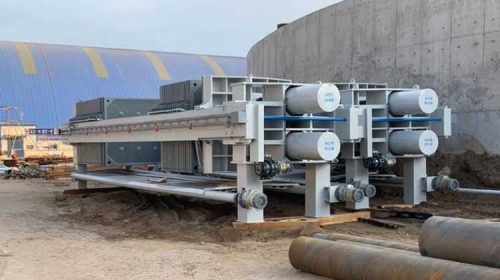
Chemical Industry
Production of acids, alkalis, solvents, and fertilizers.
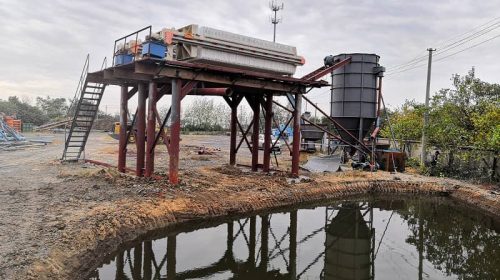
Battery Recycling
Lithium-ion battery slurry, Cobalt/Nickel sulfates.
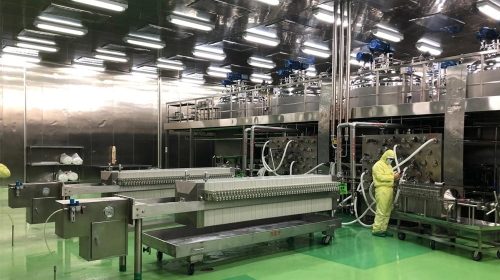
Rare Earth Metals
Extraction processes involving strong acids.
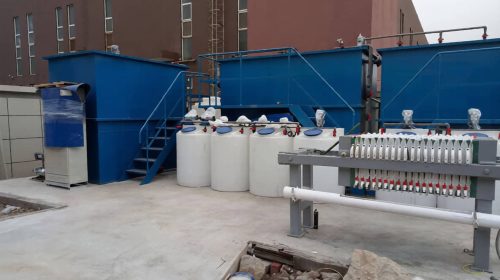
Electroplating
Treatment of acidic plating baths and metal finishing waste.
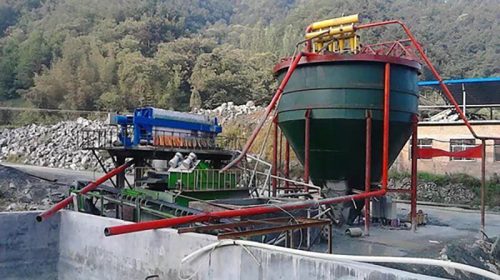
Environmental Protection
Treatment of landfill leachate.
Frequently Asked Questions
Q: Is there a risk of the cladding peeling off?
A: No. Unlike paint or galvanization, this is not a thin coating. It is a physical sheet of stainless steel welded securely around the frame. It acts as a permanent “skin.”
Q: Can I use this for food applications?
A: For direct food contact where the liquid touches the frame, we recommend a Solid Stainless Steel press. However, for applications where the liquid only touches the PP plates and filter cloth (and the frame just needs to be cleanable), this is a widely accepted, economical alternative.
Q: What happens if the cladding gets scratched?
A: Since the cladding is solid stainless steel sheet (not paint), a scratch does not expose the carbon steel underneath. It maintains its corrosion resistance.
Protect Your Investment Against Corrosion
Get the durability you need without breaking the budget.
Tell us your chemical environment (pH, temperature) for a material recommendation.