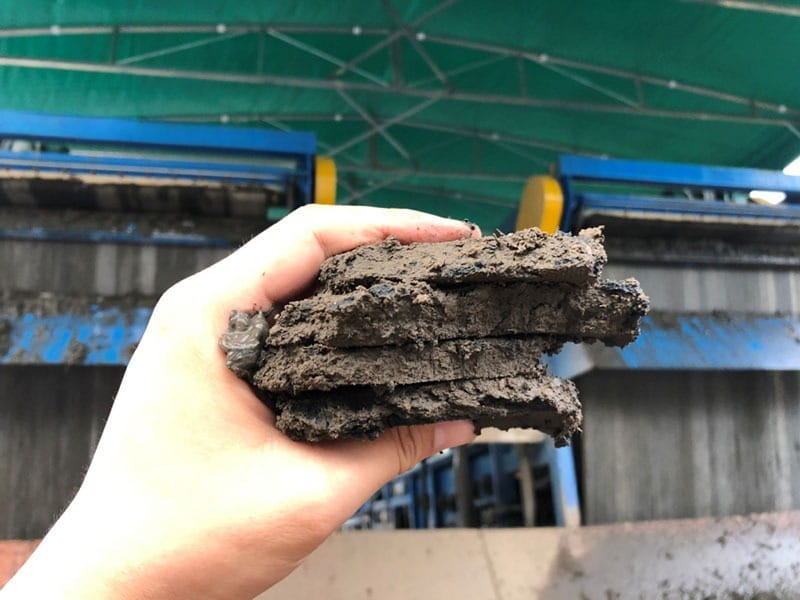
Ever wondered how industries turn soupy sludge into dry, manageable cakes?
Enter the membrane filter press.
This industrial workhorse takes solid-liquid separation to the next level. And it’s becoming THE go-to solution for companies that need ultra-dry filter cakes.
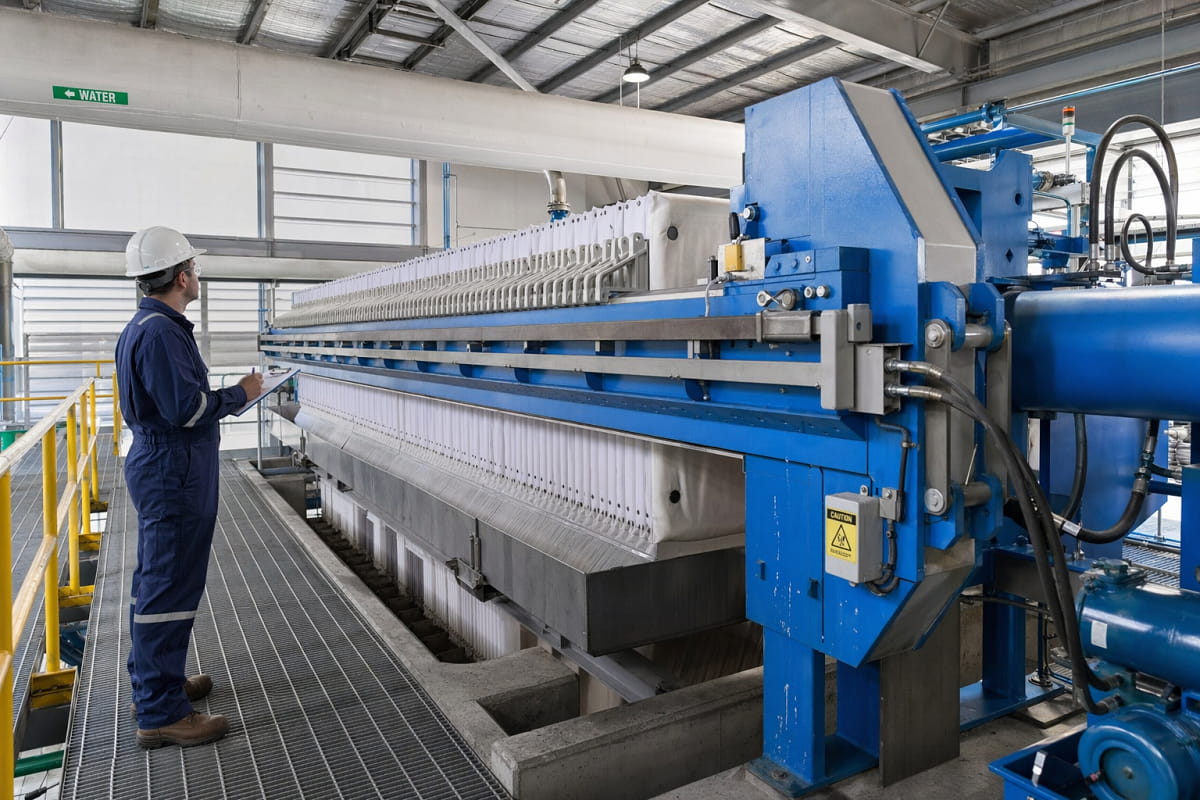
What Is Membrane Filter Press
The membrane filter press is an advanced filtration system that uses inflatable membranes to squeeze extra moisture from filter cakes after the initial separation phase. Think of it as giving your filter cake an extra-strong bear hug to wring out every last drop of liquid.
In this guide, as a professional membrane filter press manufacturer, I’ll break down everything you need to know about membrane filter presses. From how they work to why they’re crushing standard filter presses in performance.
Let’s dive in.
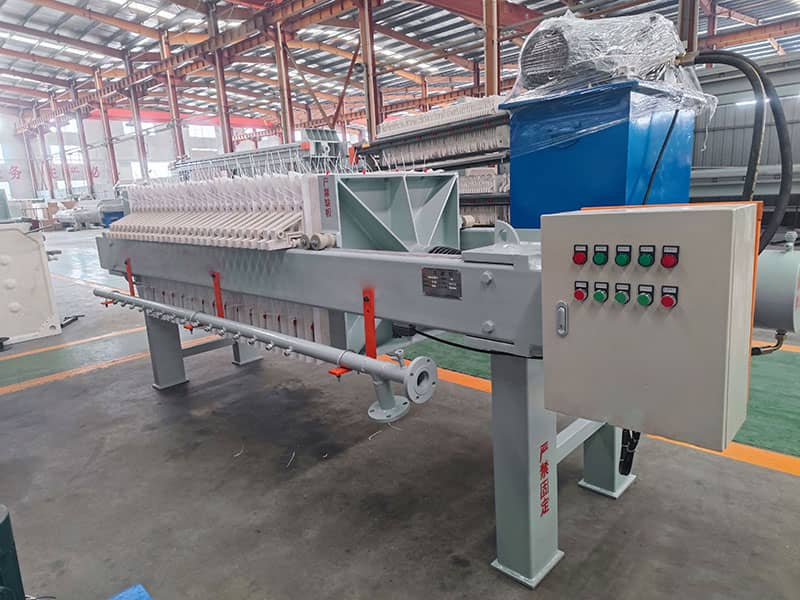
How Membrane Filter Presses Actually Work
Here’s the deal:
A membrane filter press looks similar to a standard chamber filter press. But it has one game-changing difference.
Flexible membranes.
These membranes sit on the plate surfaces. And when inflated with air or water, they physically compress the filter cake to remove more liquid than pumping pressure alone ever could.
The process happens in distinct phases:
Phase 1: Initial Filtration
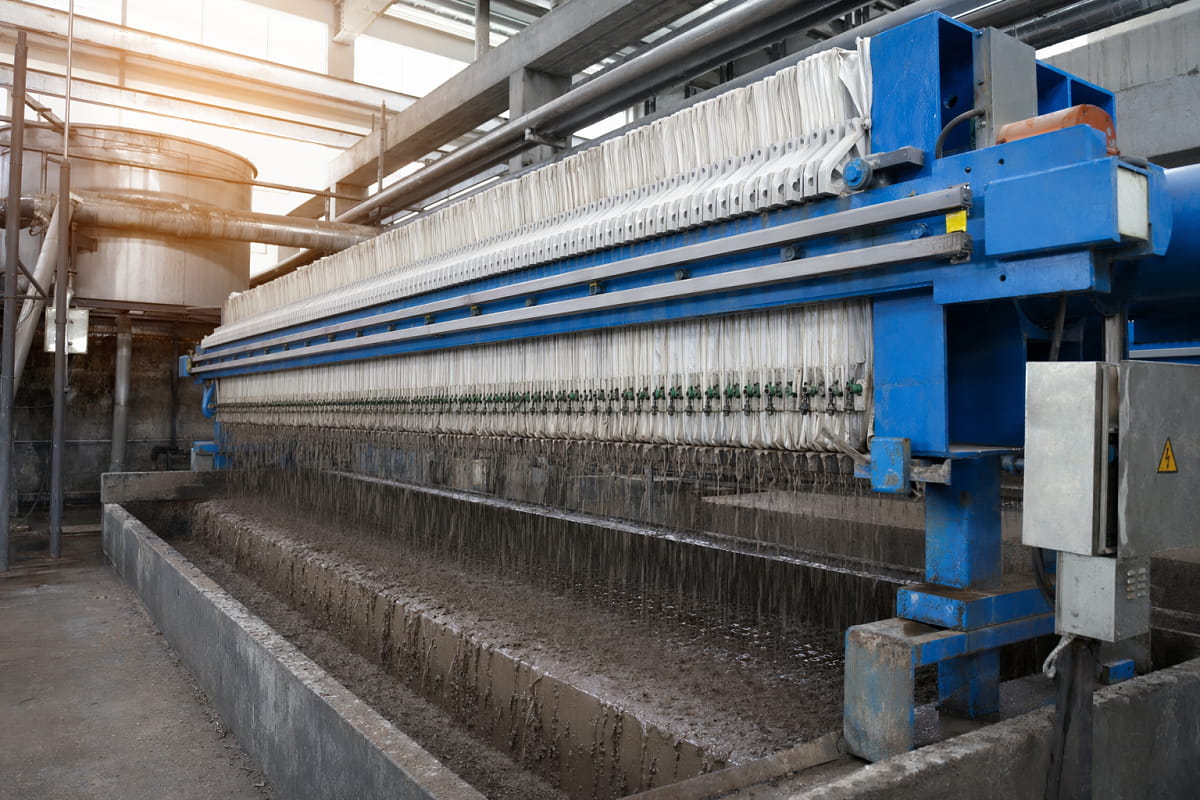
First, slurry gets pumped into the press chambers. Just like a regular filter press.
The solids build up on the filter cloths. The liquid (called filtrate) passes through and drains away.
This continues until the chambers fill with solids and the flow rate drops significantly.
Phase 2: The Squeeze (Where the Magic Happens)
Now for the cool part.
Once the chambers are full, the feed pump stops. Then, compressed air or water inflates the membrane plates.
These membranes expand uniformly across the entire cake surface. The pressure? Usually between 7-15 bar (100-225 psi).
This mechanical compression forces out liquid that would otherwise stay trapped in the cake.
Phase 3: Cake Discharge
After squeezing, the membranes deflate. The plates separate. And boom – super dry filter cakes drop out.
The result?
Filter cakes with 20-30% less moisture than standard presses produce.
(In fact, some applications see moisture reduction of up to 50%.)
Key Components of The Membrane Filter Press
A membrane filter press isn’t just about fancy membranes. Several critical components work together:
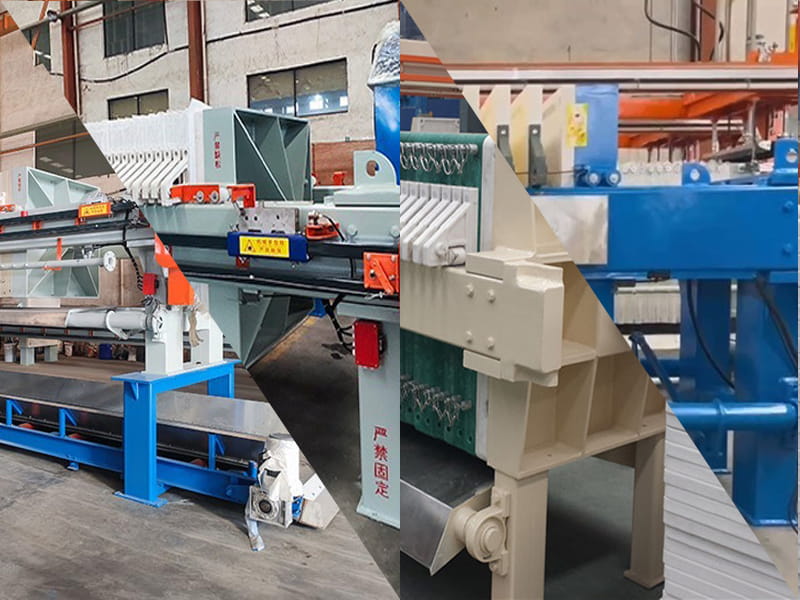
Membrane Plates: The stars of the show. These plates have flexible diaphragms (usually made from polypropylene, EPDM, or rubber) that inflate during the squeeze cycle.
Standard Recessed Plates: Many presses use a “mixed pack” design. This alternates membrane plates with standard plates to reduce costs while maintaining performance.
Feed System: High-pressure pumps push slurry into the chambers. Typical pressure ranges from 7-15 bar.
Membrane Inflation System: A separate pump system inflates the membranes with water or compressed air.
Hydraulic Closure: Keeps plates locked together under massive pressure during operation.
Control System: Modern units use PLCs to automate the entire cycle, from filling to squeezing to discharge.
Pro Tip: Water inflation is safer than air. If a membrane tears with air pressure, it can be dangerous. With water? You just get a leak.
Membrane vs. Standard Filter Presses: The Real Differences
Let me break down why membrane presses are taking over:
Moisture Content
- Standard Press: 25-35% final moisture
- Membrane Press: 15-25% final moisture
That’s a massive difference when you’re paying for waste disposal by weight.
Cycle Time
Here’s where it gets interesting.
A standard press might take 4 hours to complete a cycle. The last 2 hours? The pump barely moves any liquid – it’s just trying to stuff more solids into already-full chambers.
A membrane press cuts this dramatically. After 2 hours of filling, the squeeze cycle takes just 30-45 minutes. Total time savings? Often 50% or more.
Operating Costs
The math is simple:
Less moisture = Less weight = Lower disposal costs
I’ve seen operations save hundreds of thousands per year just from reduced hauling fees.
Filtrate Quality
Both produce clear filtrate. But membrane presses often achieve better clarity due to the additional compression preventing cake cracking.
Industries Where Membrane Filter Presses Dominate
These machines excel in applications where moisture content directly impacts the bottom line:
Mining and Minerals
Tailings dewatering is HUGE here. Mining operations use membrane presses to:
- Reduce water content in mineral concentrates
- Minimize tailings pond volume
- Recover more water for reuse
One copper mine I worked with cut their tailings volume by 40% after switching to membrane technology.
Chemical Processing
Perfect for:
- Pigment production
- Catalyst recovery
- Chemical salt separation
- Dye manufacturing
The ability to achieve consistent, low moisture helps maintain product quality.
Municipal Wastewater
Cities love membrane presses because:
- Biosolids volume drops significantly
- Drier cakes mean lower incineration costs
- Less truck traffic from treatment plants
Food and Beverage
Applications include:
- Brewery spent grain dewatering
- Juice production waste
- Sugar refining
- Edible oil processing
The squeeze cycle is particularly effective on fibrous materials like spent grains.
Pharmaceutical
Where product purity matters, membrane presses deliver:
- API recovery
- Waste minimization
- Consistent moisture levels
Design Variations You’ll Encounter
Not all membrane presses are created equal. Here are the main types:
Plate Configurations
All-Membrane Design: Every plate has membranes. Maximum performance but highest cost.
Mixed Pack: Alternates membrane and recessed plates. Best cost-performance balance.
Corner Feed vs. Center Feed: Corner feed designs allow better membrane utilization since there’s no center hole weakening the squeeze area.
Membrane Materials
Polypropylene: Cost-effective, good chemical resistance
EPDM: Excellent for high temperatures
Viton: When extreme chemical resistance is needed
Natural Rubber: Budget option for non-aggressive applications
Automation Levels
From basic manual operation to fully automated systems with:
- Automatic plate shifting
- Cloth washing systems
- Cake discharge conveyors
- Remote monitoring
ROI and Cost Considerations
Let’s talk money.
A membrane filter press costs 30-50% more than a standard press. But here’s why it’s worth it:
Disposal Cost Savings
If you’re paying $50/ton for disposal and process 100 tons/day:
- Standard press (30% moisture): $5,000/day
- Membrane press (20% moisture): $3,333/day
- Daily savings: $1,667
That’s over $600,000 per year.
Labor Reduction
Shorter cycles mean:
- More batches per shift
- Less operator overtime
- Higher throughput with same staffing
Space Savings
Drier cakes = smaller storage needs. I’ve seen facilities eliminate entire storage buildings.
Optimizing Your Membrane Press Performance
Want maximum results? Follow these proven strategies:
1. Dial In Your Squeeze Pressure
Start at 8 bar and increase gradually. Too much pressure can damage cloths or membranes.
2. Time Your Squeeze Cycle
Begin squeezing when flow rate drops to 10-20% of initial rate. Earlier wastes time. Later misses moisture reduction opportunities.
3. Choose the Right Cloth
Membrane presses need robust cloths that handle repeated compression. Monofilament designs often work best.
4. Monitor Membrane Condition
Small tears become big problems fast. Regular inspection prevents catastrophic failures.
5. Optimize Feed Consistency
Consistent solids content = predictable performance. Wild variations make optimization impossible.
Common Challenges and Solutions
Even the best equipment has quirks. Here’s how to handle common issues:
Membrane Tears: Usually from over-pressure or sharp particles. Solution: Install pressure relief valves and pre-screen feed if needed.
Uneven Cake Thickness: Often from poor feed distribution. Solution: Check feed ports for blockages, ensure proper slurry mixing.
Longer Than Expected Cycles: Could indicate cloth blinding. Solution: Implement regular cloth washing, check chemical conditioning.
Poor Cake Release: Sometimes cakes stick after squeezing. Solution: Adjust squeeze pressure, consider cloth release coatings.
Future Trends in Membrane Technology
The industry keeps innovating. Here’s what’s coming:
Smart Controls
AI-driven systems that optimize squeeze timing and pressure based on real-time feedback.
Advanced Materials
New membrane materials promise longer life and better chemical resistance.
Energy Recovery
Systems that capture and reuse compression energy are in development.
Integrated Drying
Some manufacturers are combining membrane presses with thermal drying for ultra-low moisture.
Making the Decision: Is a Membrane Press Right for You?
Ask yourself:
- What’s your current disposal cost? Higher costs = faster ROI
- How critical is cycle time? Membrane presses shine when speed matters
- What’s your target moisture? If you need <25%, membrane is often the only option
- Can you handle the complexity? More components = more maintenance
The bottom line?
If you’re serious about moisture reduction and can justify the upfront investment, membrane filter presses deliver incredible value.
Key Takeaways
Let me wrap this up with the essentials:
A membrane filter press uses inflatable membranes to squeeze extra liquid from filter cakes after initial separation. This advanced technology achieves dramatically lower moisture content than standard presses while cutting cycle times in half.
The squeeze mechanism – where membranes inflate with water or air to compress the cake – is what sets these machines apart. Industries from mining to food processing rely on them for superior dewatering performance.
While the initial investment is higher, the ROI through reduced disposal costs, faster processing, and lower operating expenses often pays for itself within 1-2 years.
What is membrane filter press technology? It’s the future of industrial dewatering. And for operations where moisture content impacts the bottom line, it’s not just an upgrade – it’s a game changer.