
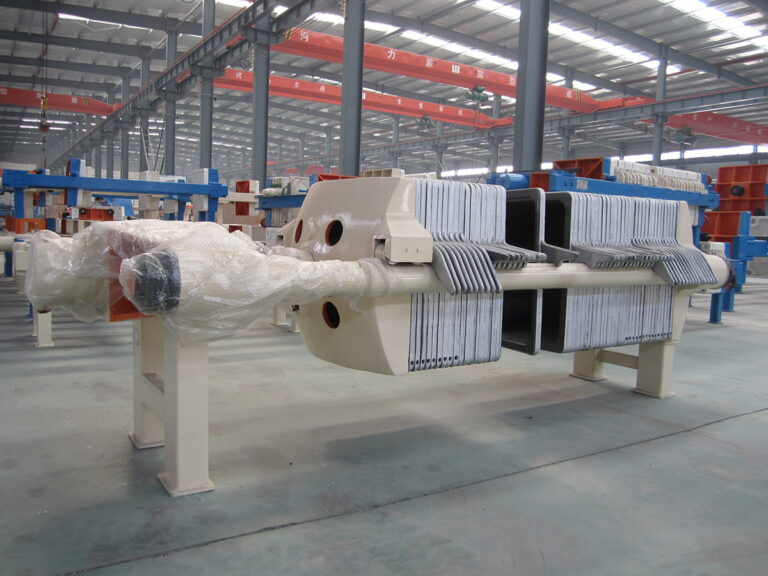
Cast Iron Filter Press

High-Temperature Cast Iron Filter Press

The Only Solution for Extreme Temperatures and Viscous Materials.

Standard Polypropylene (PP) filter plates have a limit: they soften and deform at temperatures above 80°C. For industrial processes involving hot oilpetroleum sludge, or high-viscosity ceramics, you need a machine with superior thermal stability and mechanical strength.

Our Cast Iron Filter Press is built entirely from high-strength cast iron or ductile iron. It withstands temperatures up to 300°C and filtration pressures up to 2.5 MPa, ensuring reliable operation in the harshest environments.

Why Cast Iron? Built for Extreme Conditions

When process conditions get tough, Cast Iron delivers:

1. Extreme Heat Resistance:

  • Maintains structural integrity up to 300°C.
  • Ideal for filtering hot edible oils, petroleum residues, and chemical solvents that would melt plastic plates.

2. High Pressure Capability:

  • Cast iron plates are rigid and do not flex.
  • Can handle filtration pressures up to 2.5 MPa (25 bar), resulting in drier cakes for difficult-to-dewater sludges.

3. Durability & Lifespan:

  • Resistant to oxidation and wear.
  • With proper maintenance, a cast iron plate pack can last for decades.

4. Excellent Sealing:

  • Precision-machined sealing surfaces ensure minimal leakage even at high pressures.

Versatile Plate Configurations

We offer two main designs to fit your specific process:

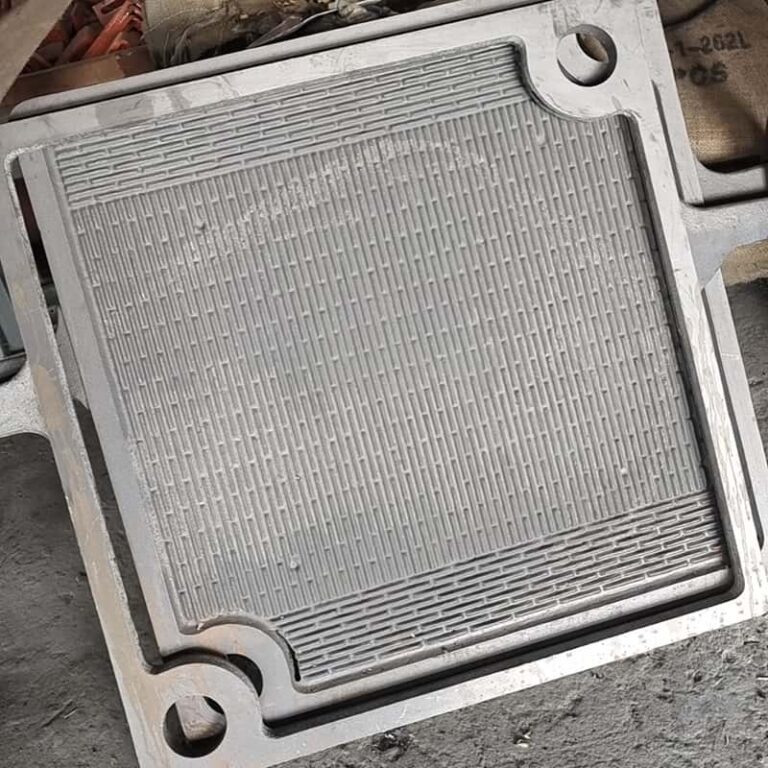
  • Square Cast Iron Plates:
  • Standard chamber or plate-and-frame design.
  • Best for general high-temperature filtration in chemical and ceramic industries.
  • Round Cast Iron Plates:
  • Designed specifically for Ceramic Industries (Kaolin, Pottery Clay) and Stone Cutting.
  • The round shape provides better stress distribution under ultra-high feeding pressures.
Cast iron filter press frame

Parameters

Plate size: 320x320mm, 450x450mm, 630x630mm, 800x800mm, 1000x100mm.

Filtering Area from 10 to 200 m2.

Feeding Pump Pressure: 6 bar.

Industries Requiring Cast Iron Filter Press

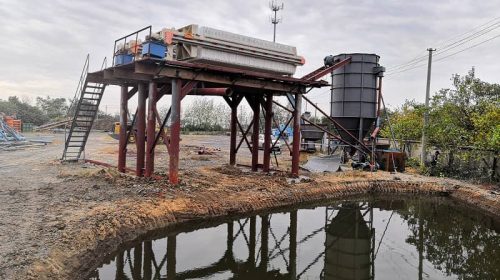
filter press use in tailings disposal picture

Petroleum & Petrochemicals

Waste oil recycling and regeneration. Dewaxing of lubricating oils. Bitumen and asphalt filtration.

filter press use in ceramic industry

Ceramics & Stone

Kaolin clay dewatering (requires high pressure). Porcelain insulator production.
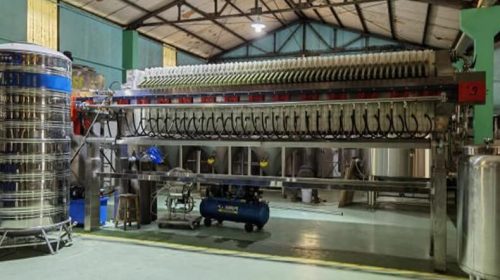
filter press use in food industry

Edible Oil

High-temperature bleaching earth filtration (palm oil, soybean oil).
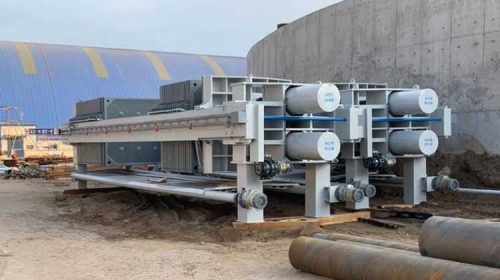
filter press use in chemical industry

Chemical Industry

Hot chemical solutions and solvents.

Frequently Asked Questions

A: Yes, cast iron plates are significantly heavier than PP plates. Therefore, for models larger than 630mm, we strongly recommend our Automatic Hydraulic System and Automatic Plate Shifter to reduce operator fatigue.

A: Cast iron can oxidize on the surface, but it does not corrode structurally like thin steel. For applications requiring clean filtrate (e.g., food oil), we recommend using high-quality filter paper or cloth as the primary barrier.

A: Cast iron is generally NOT suitable for strong acids (pH < 6). For hot acidic liquids, we recommend our Stainless Steel Filter Press. Cast iron is excellent for neutral, alkaline, or oil-based fluids.

Handle the Heat

Don’t let high temperatures stop your production. Choose the durability of Cast Iron.

Tell us your operating temperature and pressure requirements.

Contact Form Demo
Scroll to Top