- Key Takeaways
- Filter press troubleshooting covers six main issues: pressure building failures, plate leaks, poor cake formation, cloth blinding, hydraulic failures, and excessive vibration.
- Most problems stem from inadequate maintenance, worn components, or incorrect operating parameters.
- Following a systematic diagnostic approach and implementing preventive maintenance can reduce downtime costs by up to 40%.
Let me guess:
Your filter press is acting up again. Maybe it’s leaking. Or perhaps the cake formation looks terrible. Whatever the issue, you need answers – and you need them fast.
Here’s the deal:
Filter press troubleshooting doesn’t have to be a nightmare. In fact, most problems have straightforward solutions that you can implement right away.
I’ve been in the trenches with these machines for years. And I’ve seen pretty much every issue you can imagine.
The good news? As a professional filter press manufacturer, I’m going to walk you through the most common problems AND show you exactly how to fix them.
Sound good? Let’s dive in.

Why Filter Press Problems Happen (And Why They Matter)
Here’s something most people don’t realize:
A small filter press issue can snowball into massive production losses. We’re talking about downtime that costs thousands per hour.
In fact, studies show that unplanned equipment downtime costs manufacturers up to $50 billion annually.
But here’s the thing:
Most filter press failures are completely preventable. You just need to know what to look for.
Think about it this way:
Your filter press is like a high-performance engine. Skip the oil changes, ignore the warning signs, and you’re asking for trouble.
The bottom line? Proper troubleshooting saves money, prevents disasters, and keeps your operation running smoothly.
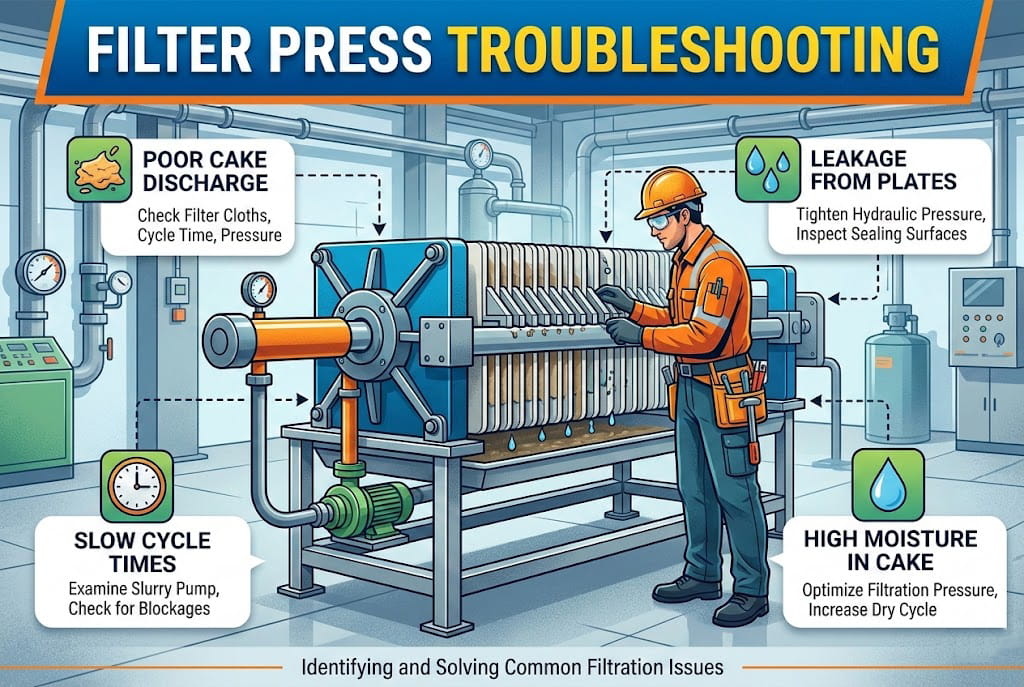
Filter Press Troubleshooting: Common Problems and How to Fix
Problem #1: Filter Press Won’t Build Pressure
This is probably THE most frustrating issue operators face.
You start the cycle. Everything seems normal. But the pressure gauge barely moves.
Sound familiar?
Here’s what’s usually going on:
Common Causes:
- Worn hydraulic pump seals
- Low hydraulic fluid levels
- Air trapped in the system
- Faulty relief valves
- Clogged hydraulic filters
I recently worked with a wastewater plant that struggled with this exact problem. Their filter press would only reach 60% of normal operating pressure.
The culprit? A tiny air leak in the hydraulic line.
How to Fix It:
- Check hydraulic fluid levels first
- Open the reservoir cap
- Verify fluid is at the proper mark
- Top off if needed (use manufacturer-specified fluid only)
- Bleed the system
- Locate the bleeder valve (usually near the cylinder)
- Run the pump at low pressure
- Open the valve until fluid runs clear
- Inspect pump seals
- Look for visible leaks around the pump
- Listen for unusual sounds
- Replace worn seals immediately
- Test the relief valve
- Adjust pressure settings
- Clean or replace if stuck
Pro Tip: Keep a pressure log. Tracking daily readings helps you spot problems before they become disasters.
Problem #2: Leaking Between Filter Plates
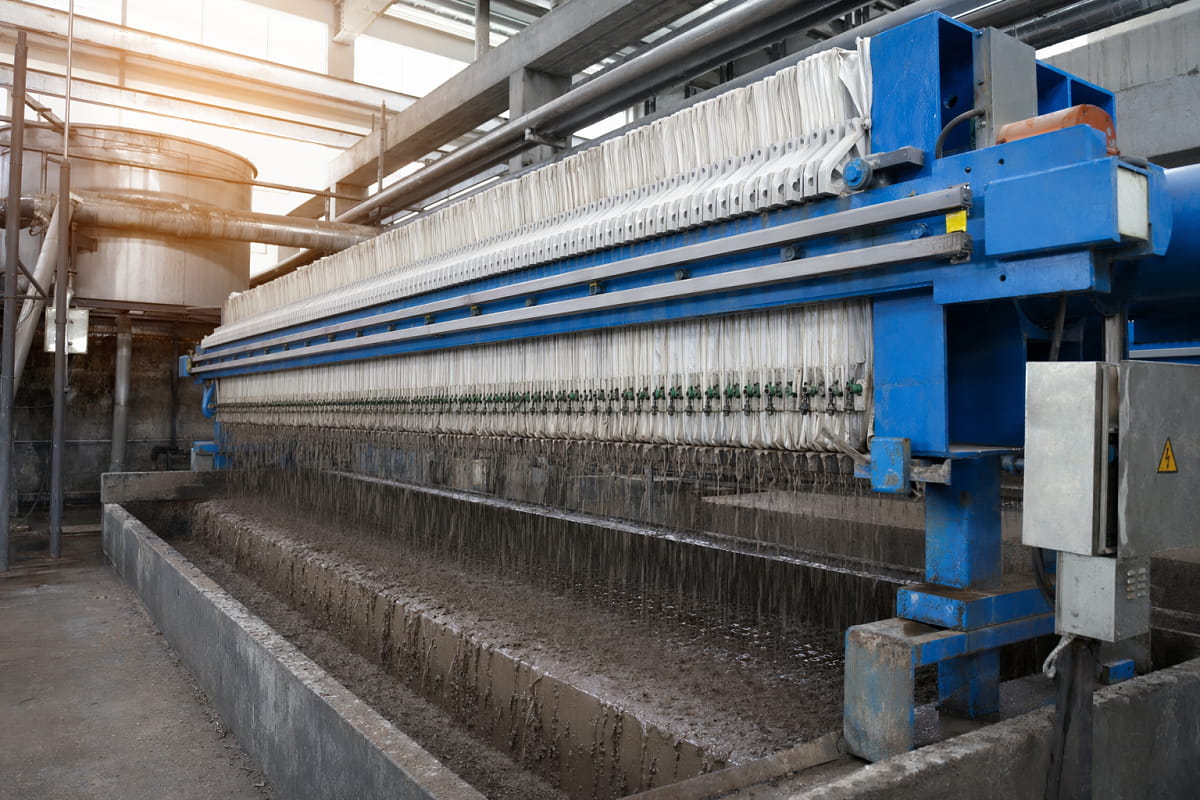
Nothing ruins your day faster than slurry leaking everywhere.
It’s messy. It’s wasteful. And it can create serious safety hazards.
But here’s what most people miss:
Plate leaks often start small. A tiny drip here, a slight seepage there. Then suddenly – boom – you’ve got a major spill.
Why Plates Leak:
- Dirty sealing surfaces
- Damaged or worn cloths
- Uneven plate closure
- Excessive feed pressure
- Warped plates
I’ve seen operations lose thousands of gallons of product because they ignored minor leaks.
Don’t be those guys.
The Fix:
- Clean sealing surfaces religiously
- Use a plastic scraper (never metal)
- Remove all debris and dried cake
- Wipe with a damp cloth
- Inspect filter cloths
- Check for tears or holes
- Ensure proper installation
- Replace damaged cloths immediately
- Verify plate alignment
- Plates should close evenly
- Check guide bars for damage
- Adjust if necessary
- Monitor feed pressure
- Start low and increase gradually
- Never exceed manufacturer specs
- Install pressure gauges if missing
Here’s a quick reference chart I use:
| Leak Type | Most Likely Cause | Quick Fix |
|---|---|---|
| Top corners | Cloth folding | Reposition cloth |
| Bottom center | Clogged drain | Clear blockage |
| All around | Worn gaskets | Replace gaskets |
| Random spots | Plate damage | Inspect/replace plate |
Problem #3: Poor Cake Formation
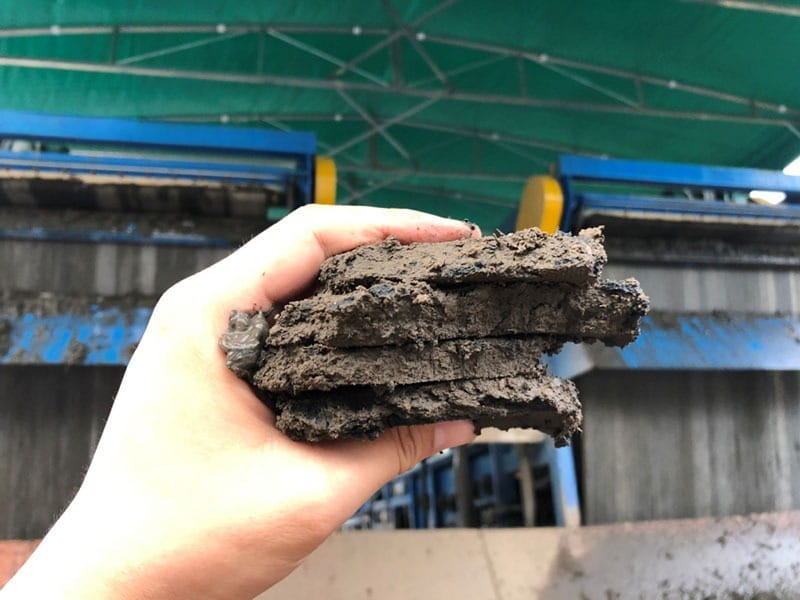
You open the press expecting nice, firm cakes. Instead, you get sloppy, wet messes that stick to everything.
Frustrating? Absolutely.
But poor cake formation usually boils down to a few key issues.
Root Causes:
- Incorrect cycle times
- Wrong filter cloth selection
- Poor slurry conditioning
- Inadequate pressure
- Blinded (clogged) cloths
Last year, I helped a mining operation that struggled with 40% moisture cakes when they needed 25%.
The solution? We adjusted their chemical dosing and extended the squeeze time by just 3 minutes.
Result: Perfect 24% moisture cakes every time.
Solutions That Work:
- Optimize cycle parameters
- Test different fill times
- Adjust squeeze pressure gradually
- Extend final air blow
- Review chemical program
- Check polymer dosage
- Verify mixing conditions
- Test pH levels
- Select proper cloths
- Match weave to particle size
- Consider cake release properties
- Test different materials
- Clean cloths regularly
- High-pressure wash between cycles
- Acid wash monthly (or as needed)
- Replace when cleaning doesn’t help
The bottom line? Good cake formation is part science, part art. Keep experimenting until you find the sweet spot.
Problem #4: Cloth Blinding and Clogging
Picture this:
Your cycle times keep getting longer. The filtrate flow slows to a trickle. And your cakes come out wetter each time.
Classic signs of cloth blinding.
It’s like trying to brew coffee through a clogged filter – nothing good comes out.
Why Cloths Blind:
- Fine particles lodging in the weave
- Chemical precipitation
- Biological growth
- Oil and grease buildup
- Improper cloth selection
The Solution:
- Preventive measures
- Pre-coat with diatomaceous earth
- Optimize upstream processes
- Use proper cloth material
- Regular cleaning
- High-pressure wash (1000-1500 PSI)
- Alternate acid/caustic washes
- Use ultrasonic cleaning for stubborn buildup
- Chemical cleaning recipe (my go-to method):
- 2-3% hydrochloric acid for mineral deposits
- 1-2% caustic soda for organic matter
- Always rinse thoroughly
- Test pH before restarting
- Know when to replace
- Cleaning doesn’t restore flow
- Visible damage or wear
- Typically every 6-24 months
Pro Tip: Track cloth life in operating hours, not calendar days. It’s a much better indicator of when to replace.
Problem #5: Hydraulic System Failures
Your hydraulic system is the heart of your filter press.
When it fails, everything stops.
I’ve seen entire production lines shut down because of a $50 hydraulic component failure.
Talk about expensive.
Common Hydraulic Issues:
- Oil contamination
- Overheating
- Pump wear
- Valve malfunctions
- Cylinder leaks
Troubleshooting Steps:
- Check oil quality
- Look for discoloration
- Test for water content
- Change if contaminated
- Monitor temperature
- Install gauges if missing
- Check cooling system
- Clean heat exchangers
- Listen for unusual sounds
- Knocking = air in system
- Whining = pump cavitation
- Grinding = component failure
- Perform regular maintenance
- Change filters per schedule
- Test relief valves quarterly
- Check hoses for wear
Here’s what I tell every operator:
Your ears are your best diagnostic tool. Learn what normal sounds like, and you’ll catch problems early.
Problem #6: Excessive Vibration and Noise
A filter press should run relatively quietly.
If yours sounds like a freight train, you’ve got problems.
Vibration Sources:
- Loose mounting bolts
- Worn bearings
- Misaligned components
- Damaged pumps
- Structural issues
I once diagnosed a vibration issue that turned out to be a single loose bolt. That bolt was allowing the entire frame to resonate.
Five minutes with a wrench saved them from potential catastrophic failure.
How to Diagnose:
- Start with the obvious
- Check all mounting bolts
- Verify pump alignment
- Look for visible damage
- Use vibration analysis (if available)
- Identify frequency patterns
- Pinpoint problem areas
- Track changes over time
- Systematic isolation
- Run components individually
- Listen for changes
- Document findings
- Address root causes
- Don’t just treat symptoms
- Fix underlying issues
- Prevent recurrence
Advanced Troubleshooting Techniques
Sometimes, basic troubleshooting isn’t enough.
That’s when you need to dig deeper.
Data-Driven Diagnostics:
- Create a baseline
- Document normal operating parameters
- Track cycle times
- Monitor pressure curves
- Trend analysis
- Graph performance over time
- Look for gradual changes
- Identify patterns
- Root cause analysis
- Use fishbone diagrams
- Apply 5-why methodology
- Document findings
I use a simple spreadsheet to track key metrics:
- Cycle time
- Maximum pressure
- Cake moisture
- Cloth washing frequency
- Chemical usage
Patterns jump out when you visualize the data.
Preventive Maintenance Schedule
Here’s the thing:
Most filter press problems are completely avoidable.
You just need a solid PM program.
Daily Tasks:
- Visual inspection
- Check for leaks
- Monitor pressures
- Clean plate surfaces
Weekly Tasks:
- Lubricate moving parts
- Check hydraulic fluid
- Inspect filter cloths
- Test safety systems
Monthly Tasks:
- Deep clean components
- Calibrate instruments
- Check alignment
- Review spare parts inventory
Annual Tasks:
- Complete overhaul
- Replace wear parts
- Update documentation
- Training refresher
Pro Tip: Use a CMMS (Computerized Maintenance Management System) to track everything. Even a simple spreadsheet beats relying on memory.
When to Call for Help
Look, I get it.
You want to fix everything yourself. That’s admirable.
But sometimes, you need expert help.
Call a specialist when:
- Problems persist after basic troubleshooting
- You’re seeing catastrophic failures
- Safety is compromised
- You lack proper diagnostic tools
- Warranty coverage is at risk
There’s no shame in asking for help. I still recommend you to call manufacturers when you encounter unusual issues.
The Bottom Line
Filter press troubleshooting doesn’t have to be complicated.
Most problems have straightforward solutions. The key is knowing what to look for and taking action quickly.
Remember:
- Monitor your equipment daily
- Address small issues immediately
- Keep detailed records
- Invest in training
- Don’t skip maintenance
Follow these principles, and your filter press will run smoothly for years.
One last thing:
Every filter press is different. What works for one might not work for another. Use this guide as a starting point, but always consider your specific situation.
The real secret to effective filter press troubleshooting?
Pay attention, stay curious, and never stop learning.
Your equipment (and your boss) will thank you.