Key selection factors of mining filter presses include slurry characteristics, required capacity, automation level, and material construction – with proper system selection paying for itself through water recovery and reduced disposal costs.
So you want to understand what a mining filter press is?
Let me guess: You’ve seen these massive machines at mining sites. Or maybe you’re researching dewatering solutions for your operation.
Either way, you’re in the right place.
In this guide, as a professional filter press manufacturer, I’ll break down everything you need to know about mining filter presses. No fluff. Just the facts you need to make smart decisions.
Sound good? Let’s dive in.
What Is a Mining Filter Press?
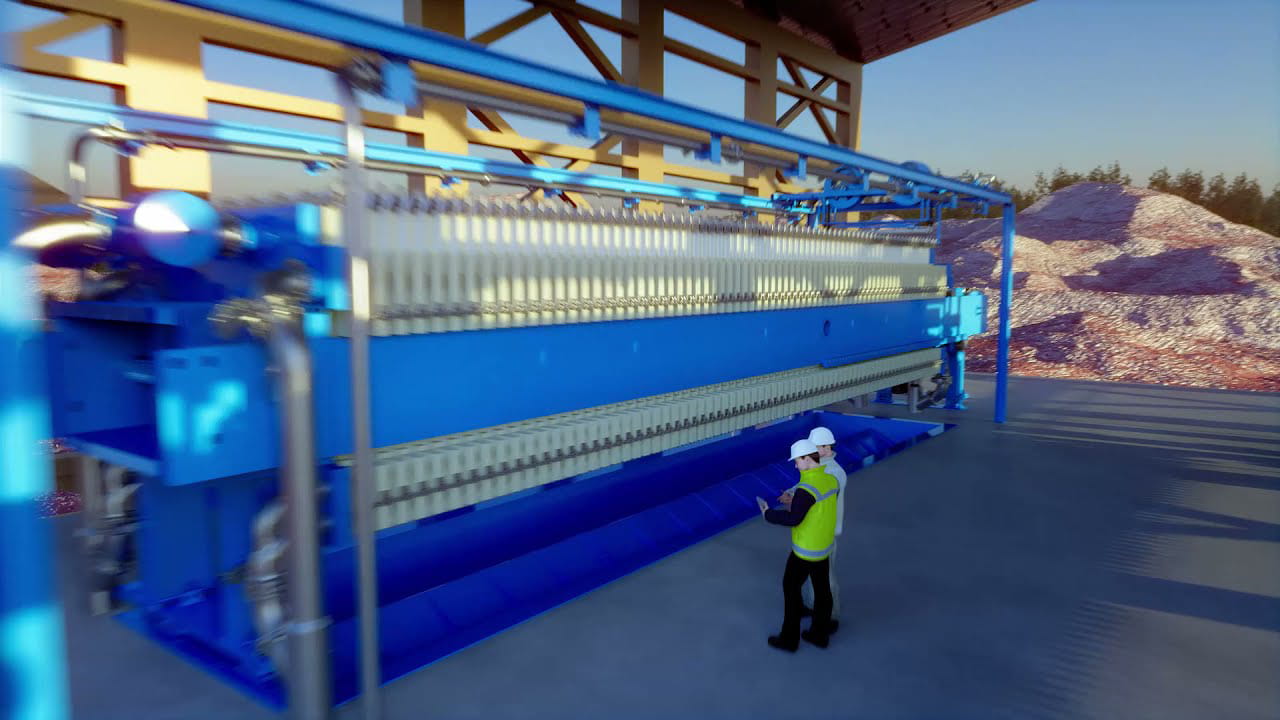
A mining filter press is a heavy-duty industrial machine that separates solids from liquids in mining slurries. Mining operations produce TONS of wet waste material (called slurry). This stuff is expensive to transport and dangerous to store.
And the filter press machines turn that problematic slurry into two things:
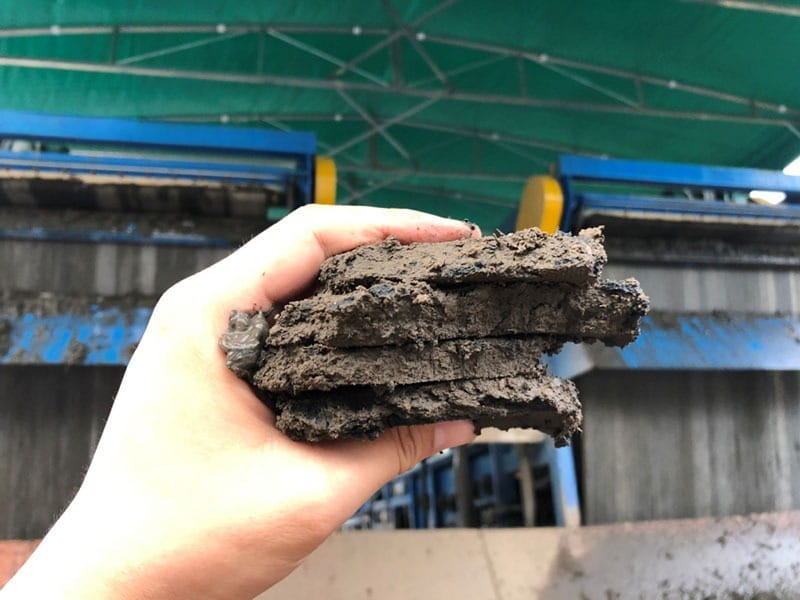
- Dry, stackable filter cakes (the solid stuff)
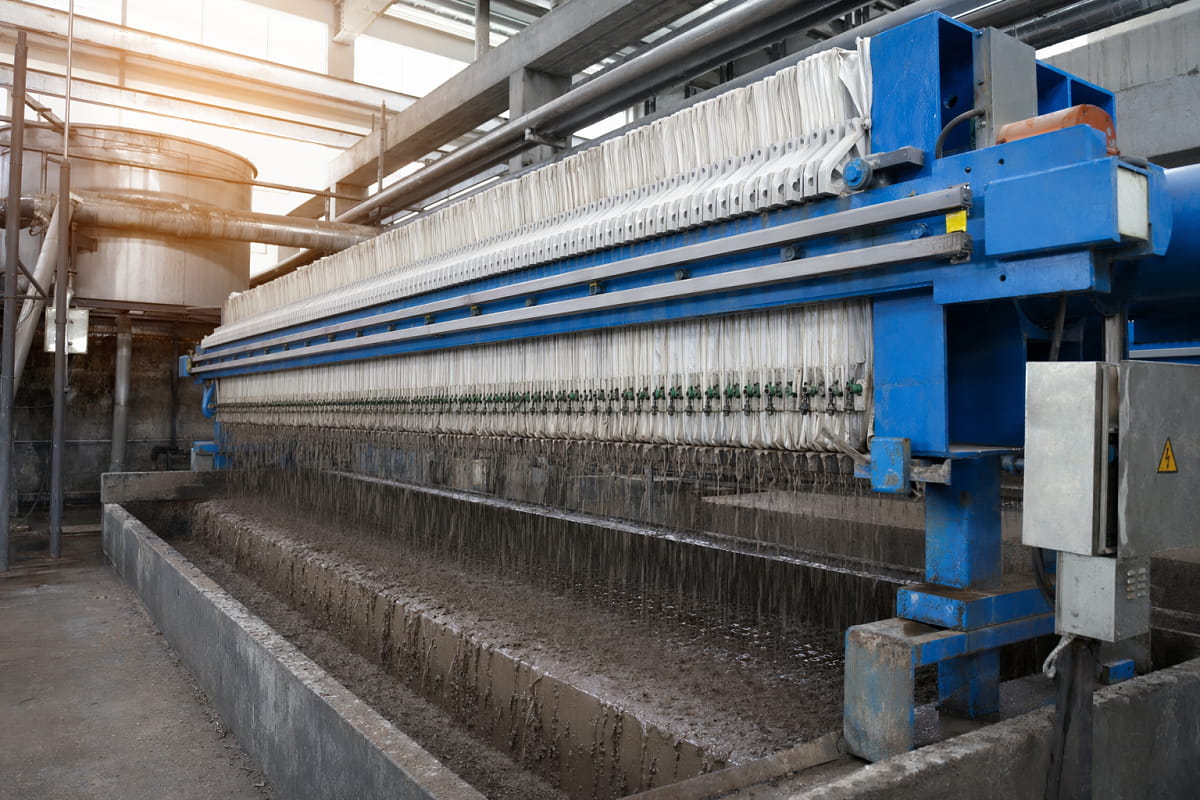
- Clean water (which you can recycle)
The result? You save money on disposal costs AND help the environment.
Win-win.
How Mining Filter Presses Actually Work (Step-by-Step)
Let me walk you through the process:
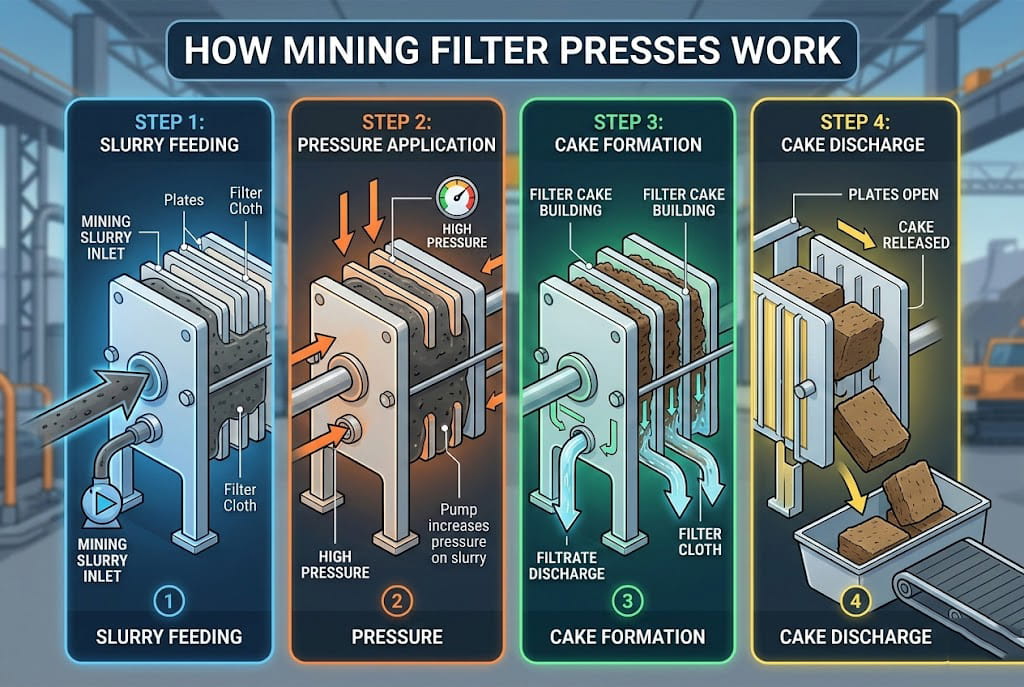
Step 1: Slurry Feeding
First, pumps feed the wet mining slurry into the filter press chambers. These chambers are formed by a series of filter plates lined with special filter cloths.
(Think of it like filling up a bunch of flat pillowcases with muddy water.)
Step 2: Pressure Application
Here’s where the magic happens.
The system applies serious pressure – we’re talking 100-225 PSI or more. This forces the water through the filter cloths while the solid particles stay behind.
Step 3: Cake Formation
As pressure builds, the solids compress into dense “cakes” between the plates. Meanwhile, the filtered water (called filtrate) flows out through dedicated channels.
Step 4: Cake Discharge
Once the cycle completes, the plates separate automatically. The dry cakes fall into collection bins below.
Pretty straightforward, right?
But here’s the thing: The specific type of filter press you choose makes a HUGE difference in performance.
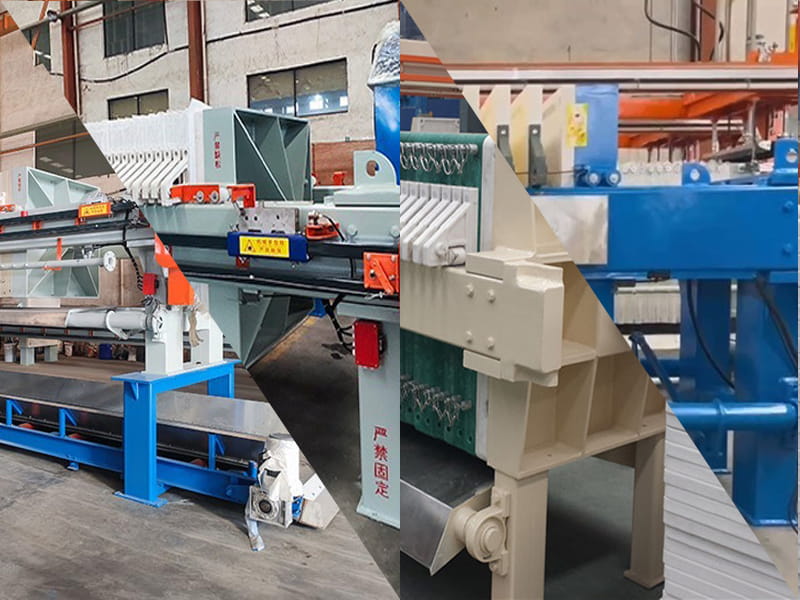
Types of Mining Filter Presses
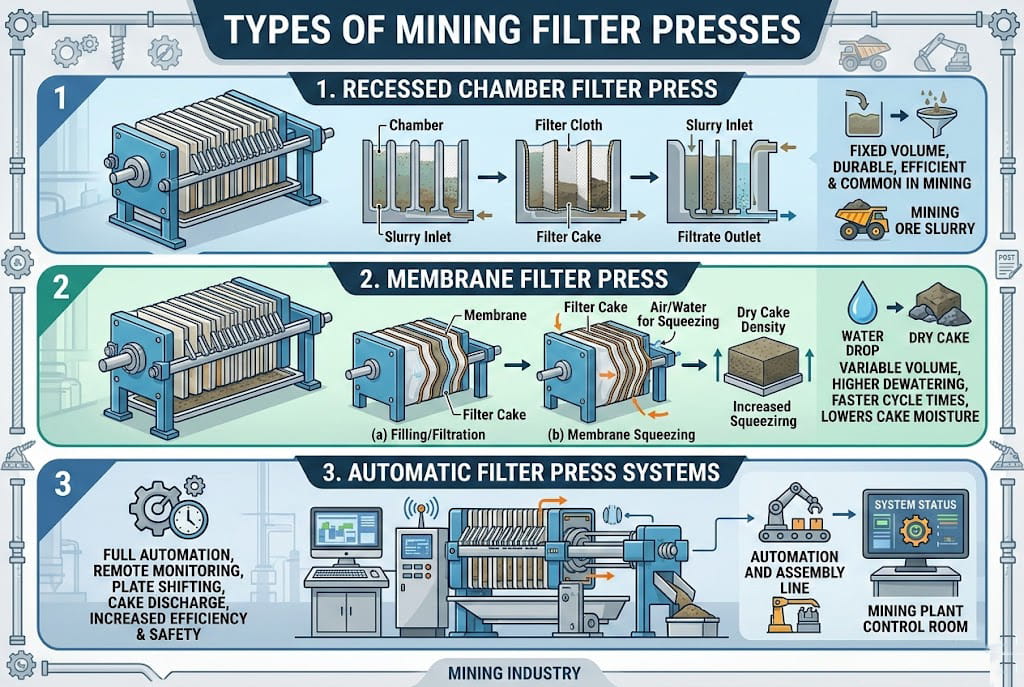
Not all filter presses are created equal. Here are the main types used in mining:
1. Recessed Chamber Filter Press
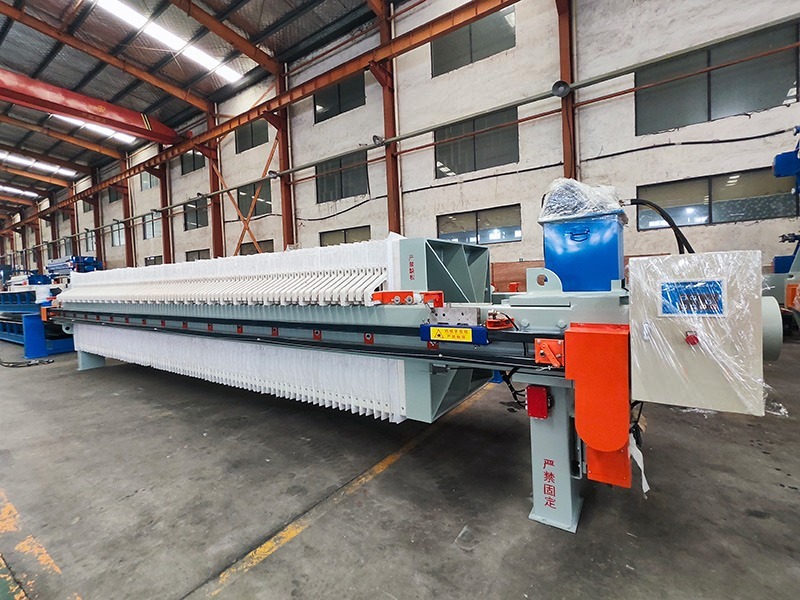
This is your workhorse option.
Best for: General tailings dewatering, standard mineral processing
Pros: Reliable, lower cost, easy maintenance
Cons: Limited cake dryness compared to membrane types
I recommend these for operations that need consistent performance without breaking the bank.
2. Membrane Filter Press
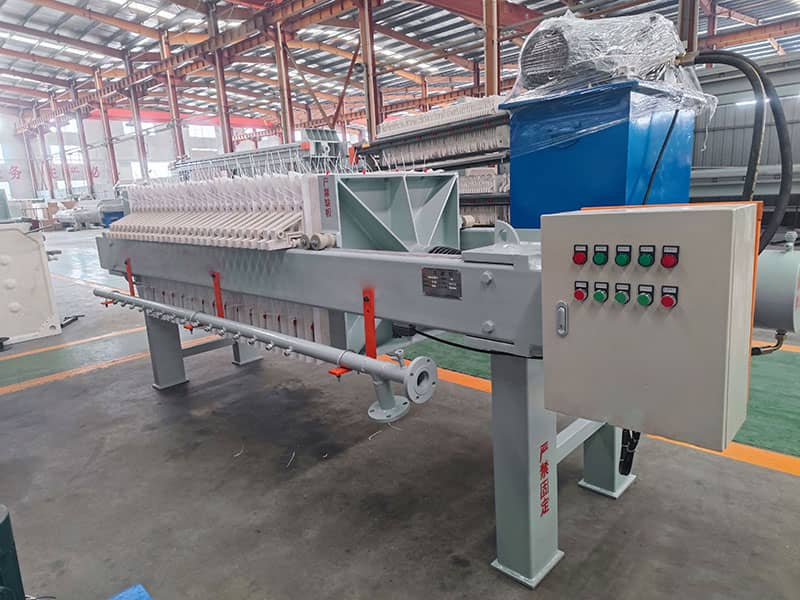
Want the driest cakes possible?
Membrane presses use inflatable membranes to apply extra squeezing pressure at the end of each cycle.
Best for: Fine materials, precious metal recovery, maximum water removal
Pros: 5-10% lower moisture content than chamber presses
Cons: Higher initial investment
The extra cost often pays for itself through reduced transportation and disposal fees.
3. Automatic Filter Press Systems
These bad boys handle everything automatically:
- Plate shifting
- Cloth washing
- Cake discharge
- Performance monitoring
Best for: High-volume operations, 24/7 production
Pros: Minimal labor, consistent results, remote monitoring
Cons: Highest upfront cost
Pro tip: The labor savings alone can justify the investment within 2-3 years.
4. Tower Press Systems
These vertical designs save serious floor space.
Companies like Roxia offer models (TP60, TP16) specifically engineered for mining applications. They deliver higher capacity per square meter of floor space.
Key Benefits That Actually Matter
Mining filter presses aren’t cheap. But the ROI is incredible. Here’s what you get:
1. Water Recovery That Saves Money
Most modern systems recover 80-95% of process water.
Do the math: If you’re processing 1,000 tons of slurry daily, that’s potentially 800,000 liters of water you DON’T have to buy.
2. Dry Stack Tailings (No More Risky Dams)
Traditional tailings dams are environmental disasters waiting to happen.
Filter presses create dry, stackable cakes that eliminate this risk entirely. Plus, dry stacking reduces your environmental liability by up to 90%.
3. Lower Transportation Costs
Here’s a real example:
One copper mine reduced their tailings moisture from 65% to 20%. Result? They cut transportation costs by 45% because they weren’t hauling water anymore.
4. Environmental Compliance Made Easy
Stricter regulations are coming (trust me on this).
Filter presses help you stay ahead of the curve by:
- Minimizing water discharge
- Reducing chemical usage
- Creating cleaner effluent
- Enabling better waste management
Critical Selection Factors (Don’t Skip These)
Choosing the wrong filter press is expensive.
Here’s what to evaluate:
1. Your Slurry Characteristics
This is make-or-break stuff:
- Particle size distribution (fines require different approaches)
- Abrasiveness (affects plate and cloth selection)
- Chemical composition (determines material compatibility)
- Target moisture content (drives press type selection)
2. Required Capacity
Undersizing leads to production bottlenecks.
Oversizing wastes capital.
Calculate your peak hourly throughput and add 20% buffer.
3. Automation Level
Ask yourself:
- How many operators can you dedicate?
- What’s your labor cost?
- Do you need 24/7 operation?
Manual systems work fine for small operations. But anything over 100 tons/day? Go automatic.
4. Material Construction
Mining slurries are brutal on equipment.
Minimum requirements:
- High-strength steel frames
- Polypropylene or PVDF plates (for chemical resistance)
- Reinforced filter cloths
- Corrosion-resistant piping
Don’t cheap out here. Quality materials last 10+ years vs 2-3 for budget options.
Real-World Mining Applications
Filter presses aren’t just for one type of operation.
Here’s where they excel:
Tailings Management
Converting wet tailings to dry stack operations is the #1 application. It’s safer, cheaper, and more sustainable.
Concentrate Dewatering
Before shipping concentrates, you need them DRY. Filter presses achieve moisture levels that dryers can’t match economically.
Precious Metal Recovery
In gold and silver processing, filter presses capture fine particles that other methods miss. We’re talking thousands of dollars in recovered metals per month.
Coal Preparation
Fine coal refuse? Filter presses handle it. They turn waste streams into saleable products.
Industrial Minerals
Kaolin, calcium carbonate, titanium dioxide – these high-value products NEED the low moisture that filter presses provide.
Common Mistakes to Avoid
I’ve seen these errors cost operations millions:
Mistake #1: Ignoring Cloth Selection
Wrong cloth = frequent replacements and poor performance. Match your cloth to your specific material.
Mistake #2: Skipping Pilot Testing
Always test with YOUR actual slurry. Lab results don’t tell the whole story.
Mistake #3: Inadequate Maintenance Planning
Set up preventive maintenance from day one. Reactive repairs cost 3-5x more than planned maintenance.
Mistake #4: Undersizing Ancillary Equipment
Your pumps, air compressors, and conveyors need to match your filter press capacity. One weak link crashes the whole system.
The Future of Mining Filtration
The industry is evolving fast.
Here’s what’s coming:
Smart Monitoring Systems
AI-driven controls that optimize every cycle automatically. Some systems already adjust pressure and cycle time based on feed variations.
Enhanced Materials
New plate designs and cloth materials pushing moisture content even lower. We’re seeing 15% moisture where 25% was standard five years ago.
Integrated Systems
Filter presses combined with upstream thickeners and downstream handling in complete packages. Plug-and-play solutions are becoming the norm.
Making the Right Decision
Here’s my advice:
Start by understanding your specific needs. Every mining operation is unique.
Then:
- Get slurry analysis done properly
- Calculate your true total cost of ownership (not just purchase price)
- Visit reference installations if possible
- Insist on performance guarantees
Remember: A good filter press pays for itself through water recovery and reduced disposal costs.
The Bottom Line
What is a mining filter press? It’s your solution to expensive waste handling, environmental compliance, and water scarcity.
The technology is proven. The ROI is documented. The environmental benefits are clear.
The only question is: Which system fits your operation best?
Take action on this information. Because in today’s mining environment, efficient dewatering isn’t optional – it’s essential for survival.
Your competition is already upgrading their systems. Don’t get left behind hauling expensive water when you could be running a lean, efficient operation.