Ever wondered how industries turn muddy slurries into crystal-clear liquids? The answer lies in a piece of equipment that’s been around for over a century: the plate and frame filter press.
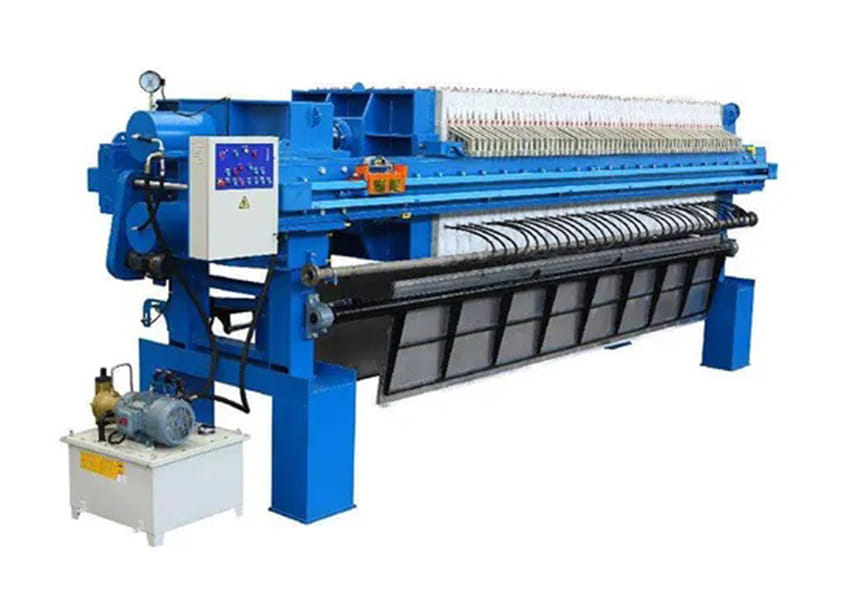
What is Plate and Frame Filter Press
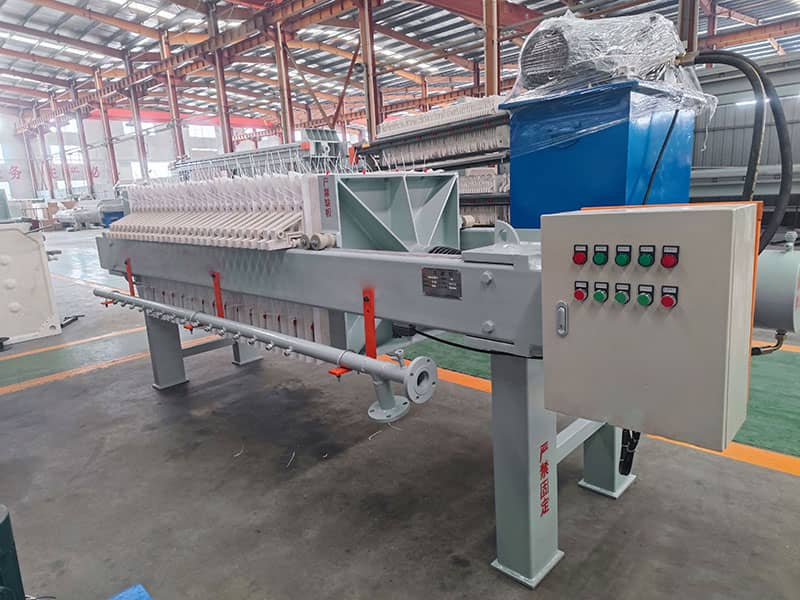
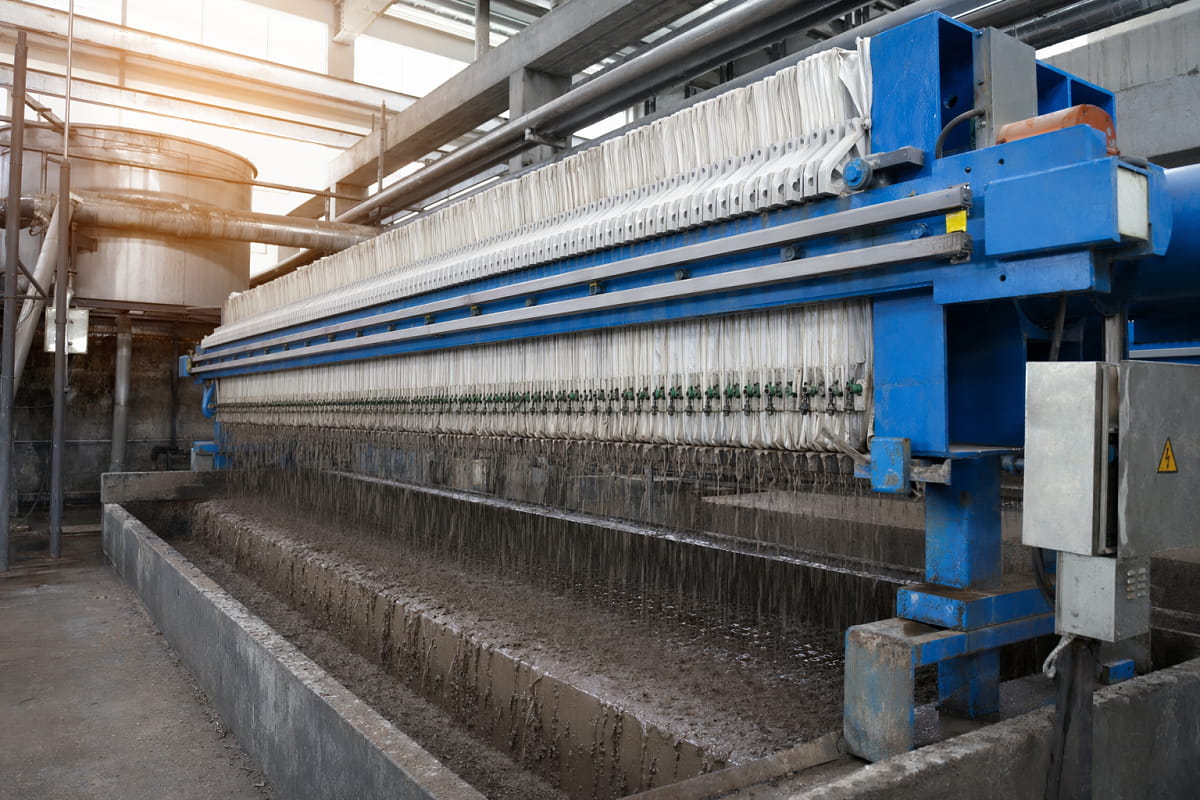
A plate and frame filter press is a batch-operated filtration system that separates solids from liquids by forcing slurry through filter cloths under pressure. The solids get trapped between alternating plates and frames, forming dense “cakes” while the clean liquid (called filtrate) flows out.
This workhorse of industrial filtration handles everything from wastewater sludge to pharmaceutical products. And in 2026, it’s still one of the most cost-effective ways to achieve solid-liquid separation.
In this post, as a professional plate and frame filter press manufacturer, let me show you exactly how it works and why industries still rely on it.
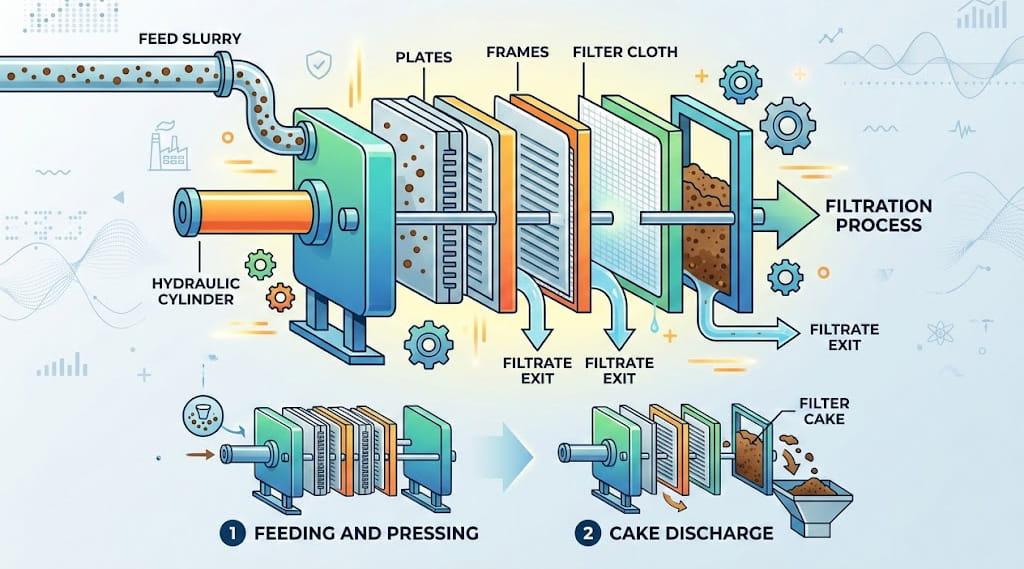
How a Plate and Frame Filter Press Actually Works
Think of a plate and frame filter press like a giant industrial sandwich maker.
But instead of making sandwiches, it’s squeezing the liquid out of slurries.
Here’s the step-by-step process:
Step 1: The Setup Phase
First, you’ve got alternating plates (solid surfaces) and frames (hollow rectangles) that hang on a horizontal rail. Each frame creates a chamber when pressed against two plates.
Filter cloths drape over each plate like a curtain.
A hydraulic system clamps everything together with serious force (we’re talking 350-500 kN/m²).
Step 2: Feeding the Beast
Once sealed, here’s what happens:
- Slurry gets pumped in through corner ports
- The liquid spreads evenly into each frame chamber
- Pressure builds up (typically 5-15 bar)
- The magic begins
Step 3: The Filtration Process
This is where things get interesting.
The pressure forces liquid through the filter cloths. But the solids? They can’t pass through. Instead, they start building up on the cloth surface.
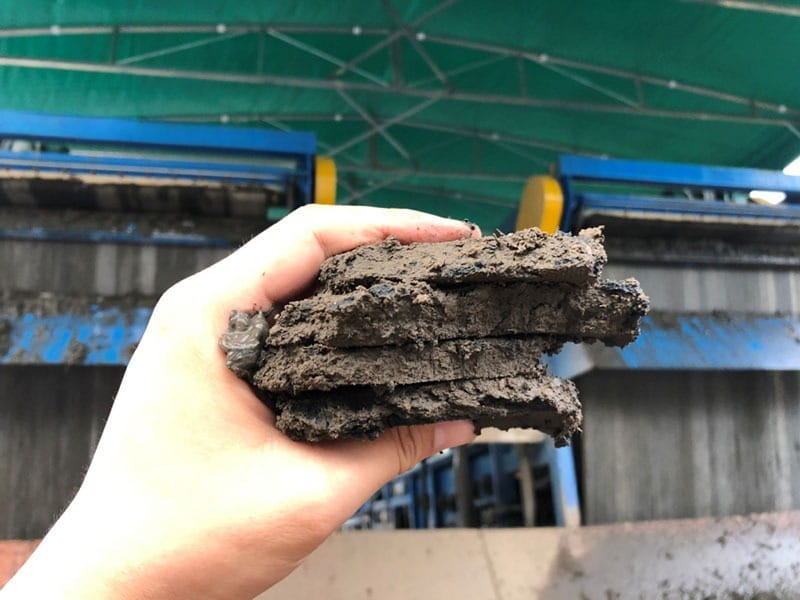
Layer by layer, these solids form what we call a “filter cake.”
(Think of it like sediment settling at the bottom of a wine bottle, except it’s happening on a vertical surface under pressure.)
Step 4: Cake Discharge
When the chambers are full of solid cake:
- The pump stops
- Pressure releases
- The press opens like an accordion
- Filter cakes fall into collection bins below
Some operators use spatulas to help stubborn cakes drop. Others have automated plate shifters that shake them loose.
Pro Tip: The whole cycle typically takes 20 minutes to 2 hours, depending on your slurry and desired cake dryness.
The Key Components of Plate and Frame Filter Press
Let’s break down the main parts of a plate and frame filter press:
The Plates
- Made from polypropylene, stainless steel, or cast iron
- Feature drainage grooves for filtrate collection
- Support the filter cloths
- Typical sizes range from 500mm to 2000mm
The Frames
- Create hollow chambers for cake formation
- Usually 20-40mm thick
- Made from the same materials as plates
- Determines your final cake thickness
Filter Cloths
- The real heroes of the operation
- Made from polyester, polypropylene, or nylon
- Pore sizes from 1 to 100 microns
- Can be replaced when worn out
The Hydraulic System
- Provides clamping force
- Keeps everything sealed during operation
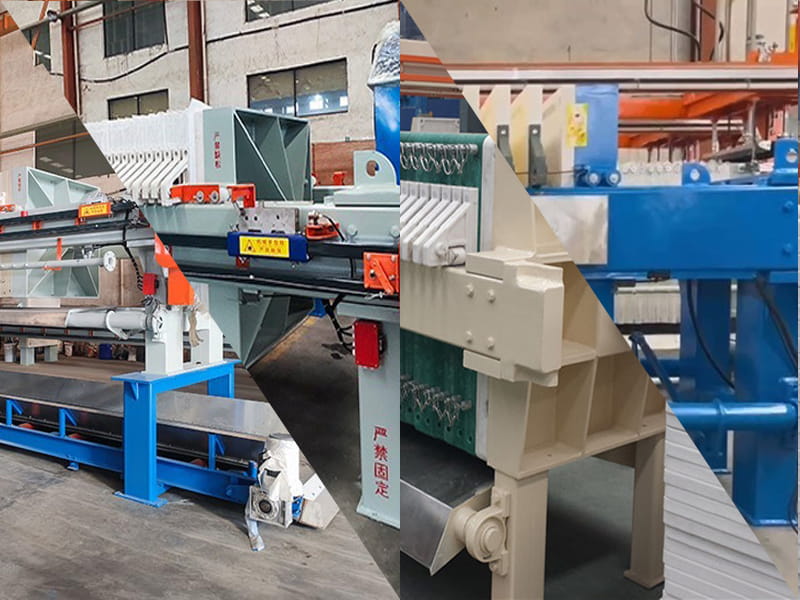
- Can be manual, semi-automatic, or fully automatic
But here’s the thing: Not all plate and frame presses are created equal.
Types of Plate and Frame Filter Presses
Manual Filter Presses
Perfect for small operations or pilot testing.
You manually tighten the plates using a handwheel or hydraulic jack. Labor-intensive? Yes. But also dead simple and cheap to maintain.
I’ve seen these in small breweries and testing labs where they process maybe 2-3 batches per day.
Semi-Automatic Filter Presses
The sweet spot for many operations.
Hydraulic closing, but manual plate shifting. You get consistent pressure without the full automation price tag.
Fully Automatic Filter Presses
These bad boys do everything:
- Automatic plate shifting
- Programmable cycles
- Remote monitoring
- Cloth washing systems
One chemical plant I visited had their entire filtration floor running with just two operators managing six automatic presses. That’s efficiency.
Real-World Applications (Where You’ll Actually Find These)
The versatility of plate and frame filter presses is honestly impressive.
Here’s where they shine:
Chemical and Pharmaceutical Industries
These industries need ultra-pure filtrates. No compromises.
Common uses:
- Catalyst recovery
- API (active pharmaceutical ingredient) purification
- Pigment and dye filtration
- Activated carbon removal
One pharmaceutical company reduced their filtrate turbidity by 99.8% after switching from centrifuges to plate and frame presses.
Mining and Minerals
When you’re processing thousands of tons of ore slurry daily, efficiency matters.
Mining operations use these presses for:
- Tailings dewatering
- Concentrate recovery
- Process water clarification
The numbers are staggering. A single large press can process 100+ cubic meters of slurry per hour.
Food and Beverage
Ever wonder how your beer stays crystal clear?
Plate and frame filter presses handle:
- Wine and beer clarification
- Edible oil refining
- Juice processing
- Sugar syrup filtration
(Fun fact: Most craft breweries use small plate and frame presses for their filtering needs.)
Wastewater Treatment
This is where environmental regulations meet practical engineering.
Municipal and industrial plants use them for:
- Sludge dewatering
- Heavy metal removal
- Chemical precipitation
- Zero liquid discharge systems
The bottom line? These presses can turn wet sludge at 2% solids into stackable cakes at 30-40% solids.
The Good, The Bad, and The Reality
Let me be straight with you about the pros and cons.
The Advantages:
Exceptional Filtration Quality
We’re talking filtrates with less than 1% suspended solids. Some pharmaceutical applications achieve parts-per-million clarity.
Dry Filter Cakes
Typical moisture content: 15-30%. Compare that to 60-80% from belt presses.
Flexible Operation
Change filter cloths for different applications. Adjust pressure for optimal performance. Add or remove plates to match capacity needs.
Low Operating Costs
No belts to replace. No continuous power draw. Just pressure, time, and gravity.
The Disadvantages:
Batch Operation
Unlike continuous filters, you need to stop for cake discharge. This means planning your production around filtration cycles.
Labor Requirements
Even semi-automatic units need operators for cloth cleaning and cake removal.
Potential for Leaks
Non-gasketed designs can develop drips, especially with worn cloths or damaged plates.
Space Requirements
A 1200mm press needs about 6 meters of floor space for operation and maintenance.
Making the Right Choice: Selection Criteria
Choosing the right plate and frame filter press isn’t rocket science. But it does require answering some key questions:
1. What’s Your Slurry Like?
- Particle size and distribution
- Chemical compatibility
- Temperature
- pH level
- Solids concentration
2. Production Requirements
- Batch size
- Cycles per day
- Cake dryness needed
- Filtrate clarity requirements
3. Operational Factors
- Available floor space
- Utilities (hydraulic power, compressed air)
- Operator skill level
- Maintenance capabilities
Pro Tip: Always test your slurry with a lab-scale press first. I’ve seen too many operations buy oversized equipment based on theoretical calculations.
Plate and Frame Filter Press Maintenance: The Key to Longevity
Here’s what separates a press that lasts 20 years from one that fails in 5:
Daily Checks:
- Inspect filter cloths for tears
- Check hydraulic pressure
- Monitor filtrate clarity
Weekly Maintenance:
- Clean feed ports
- Lubricate moving parts
- Check plate alignment
Monthly Tasks:
- Deep clean filter cloths
- Inspect seals and gaskets
- Calibrate pressure gauges
Annual Overhaul:
- Replace worn cloths
- Service hydraulic system
- Check frame integrity
The investment? Maybe 30 minutes per day. The payoff? Years of reliable operation.
The Future of Plate and Frame Technology
Even this century-old technology keeps evolving.
Recent innovations include:
Smart Monitoring Systems
- IoT sensors tracking pressure and flow
- Predictive maintenance algorithms
- Remote operation capabilities
Advanced Materials
- Membrane plates for extra dewatering
- Antimicrobial filter cloths
- Self-cleaning plate designs
Energy Recovery
- Hydraulic energy recuperation
- Heat recovery from compressed air
- Variable frequency drives for pumps
The Bottom Line
A plate and frame filter press might not be the newest kid on the block. But when you need reliable, high-quality solid-liquid separation, it’s tough to beat.
The technology works. It’s proven. And in the right application, it delivers results that fancier equipment can’t match.
Whether you’re clarifying pharmaceutical products or dewatering mining tailings, understanding these workhorses of industrial filtration gives you a serious advantage.
Remember: Filtration isn’t just about removing solids. It’s about doing it efficiently, economically, and consistently.
And that’s exactly what a properly selected and maintained plate and frame filter press delivers, day after day, year after year.