- Quick Summary
A filter press works by pumping slurry into sealed chambers between filter plates, where pressure forces liquid through filter cloths while retaining solids as compact cakes. The 6-step process includes plate closing, slurry filling, pressure filtration, cake formation, cycle completion detection, and cake discharge. Proper optimization of feed characteristics, operating pressure, and maintenance can reduce waste handling costs by 50-70% with typical ROI in 12-36 months.
Ever wondered how industries separate millions of gallons of liquid from solid waste every single day?
How does a filter press work? A filter press separates solids from liquids by pumping slurry into chambers formed between filter plates. Under pressure, liquid passes through filter cloths while solids build up into compact “filter cakes” that are later discharged.
But here’s the thing:
Understanding the actual mechanics can save your operation thousands in efficiency gains. And as a professional filter press manufacturer, I’m about to show you exactly how these machines work, step by step.
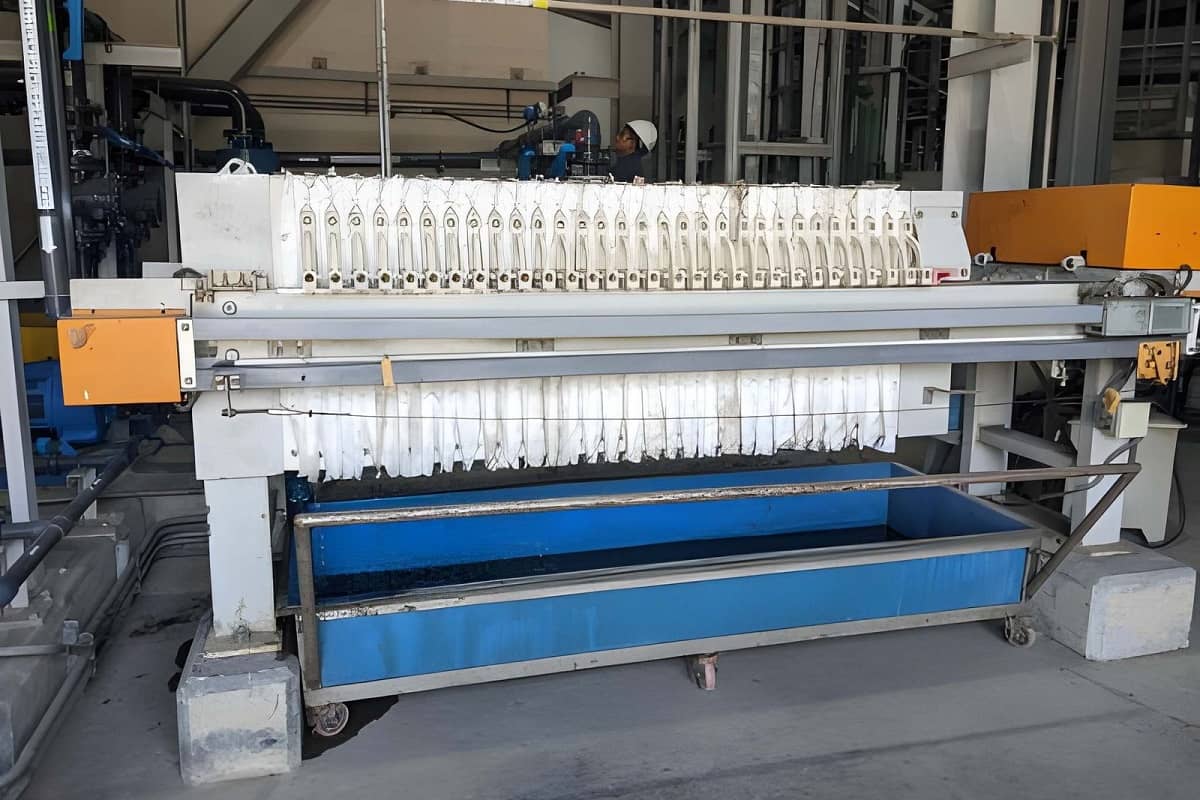
The Filter Press Basics You Need to Know
Let me break this down for you.
A filter press is essentially a giant mechanical strainer on steroids. But instead of pasta water, we’re talking industrial-grade separation.
Here’s what makes it tick:
Core Components:
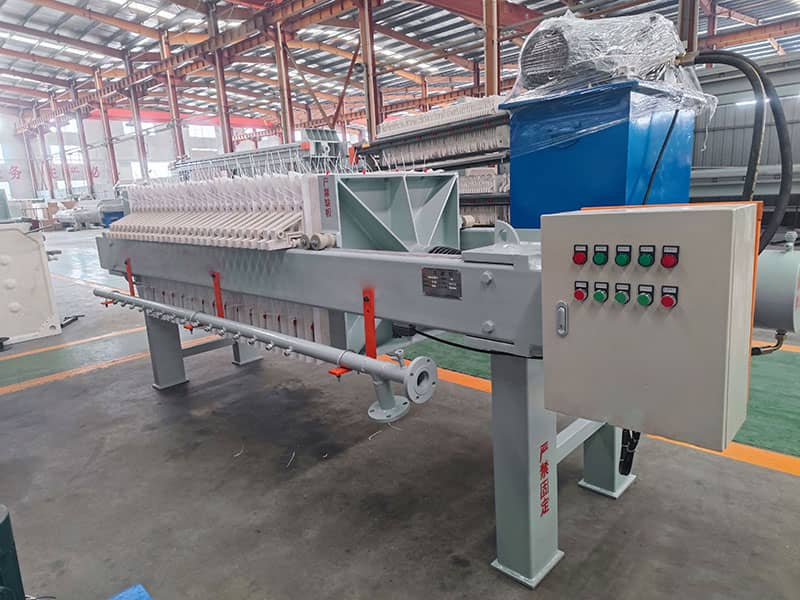
- Filter plates (create the chambers)
- Filter cloths (the actual filtering medium)
- Hydraulic system (provides the pressure)
- Steel frame (holds everything together)
- Manifold system (manages liquid flow)
Think of it like making a sandwich press, but for industrial waste. The “bread” is your filter plates, and the “filling” is the slurry you’re trying to separate.
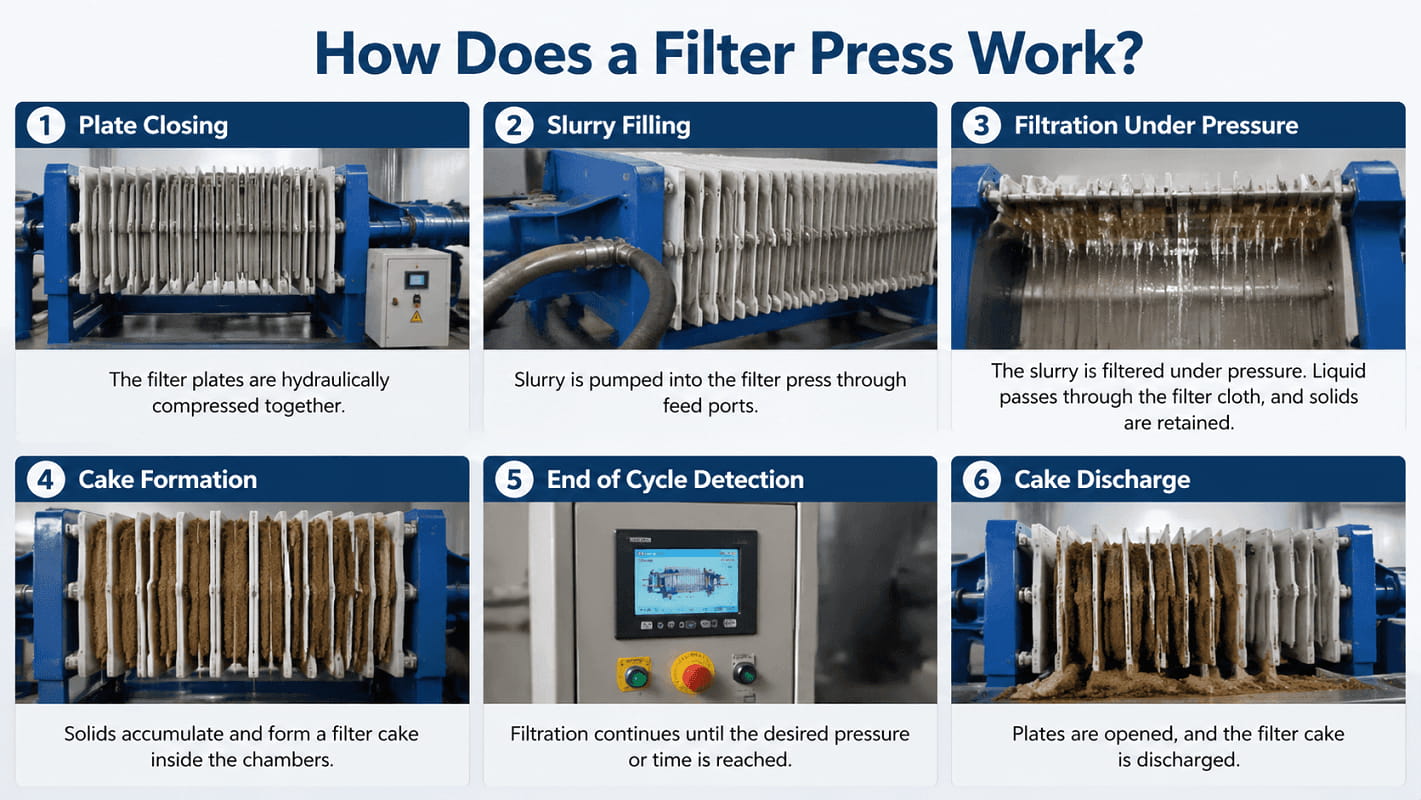
How Does a Filter Press Work: Step-by-Step Process
Now let’s dive into the actual process.
Step 1: Plate Closing
First, the hydraulic system kicks in.
The plates compress together with serious force – we’re talking up to 100 tons of pressure in some industrial applications. This creates sealed chambers between each plate.
(Pro tip: Proper plate alignment here is CRUCIAL. Misaligned plates = leaks = lost productivity)
Step 2: Slurry Filling
Here’s where the magic starts.
The feed pump pushes slurry into the chambers through the center port. As the chambers fill, you’ll notice pressure gradually building.
The filling phase typically takes 10-30 minutes, depending on:
- Slurry consistency
- Pump capacity
- Chamber volume
- Solid concentration
Step 3: Filtration Under Pressure
This is the main event.
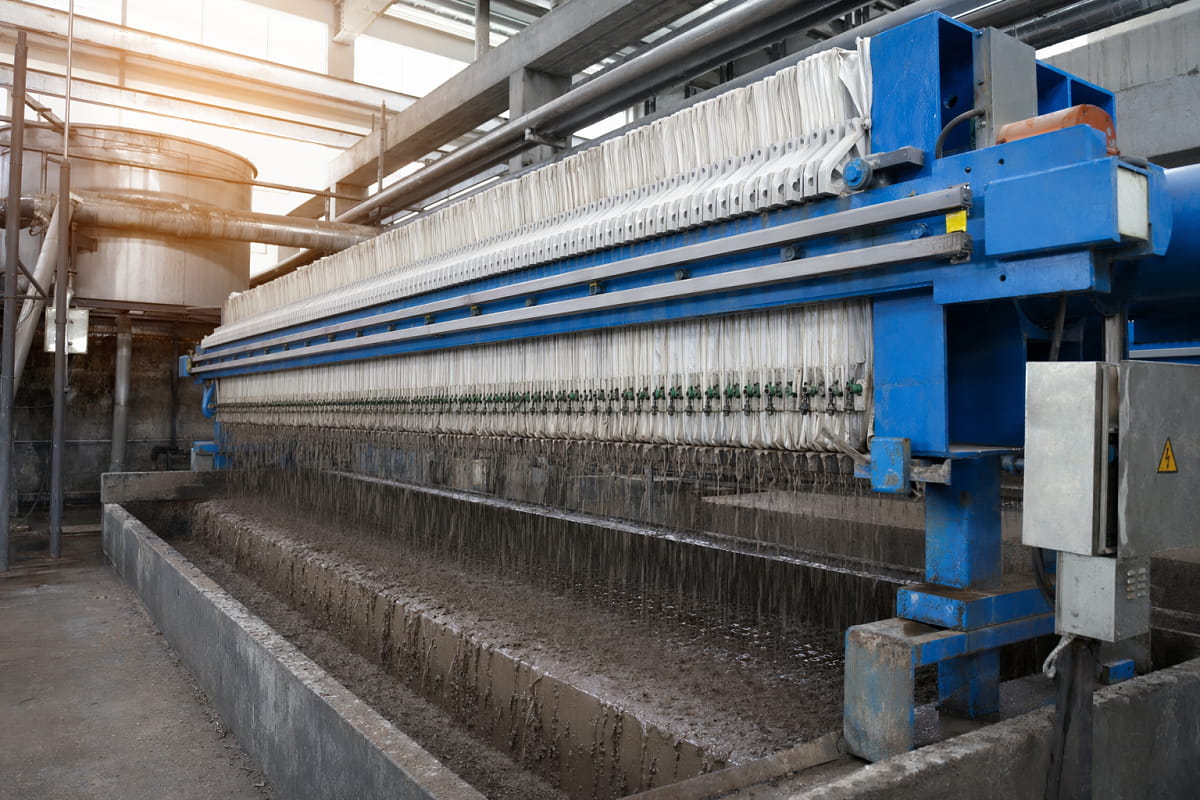
As pressure builds (usually 100-225 PSI), the liquid gets forced through the filter cloth. But the solids? They stay put.
What’s happening at the molecular level:
- Larger particles immediately block at the cloth surface
- These particles create a pre-filter layer
- This layer catches progressively smaller particles
- Eventually, only clear filtrate passes through
The bottom line? You get crystal-clear liquid on one side and concentrated solids on the other.
Step 4: Cake Formation
As filtration continues, something interesting happens.
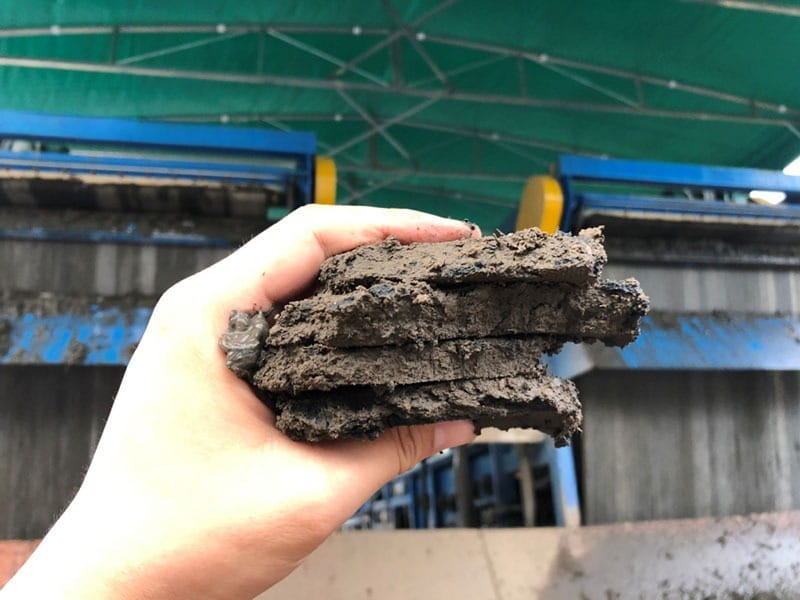
The retained solids compact together, forming what we call a “filter cake.” This cake actually becomes part of the filtering process – catching even finer particles as it builds.
Typical cake thickness: 15-50mm (depending on your application)
Step 5: End of Cycle Detection
How do you know when it’s done?
Most modern systems monitor:
- Flow rate (drops to near zero)
- Pressure (reaches maximum set point)
- Time (preset cycle duration)
When any of these triggers hit, it’s time for discharge.
Step 6: Cake Discharge
The press opens up like an accordion.
Each plate separates, and the compacted filter cakes fall out. In manual systems, operators might need to knock stubborn cakes loose. Automatic systems use plate shifters to speed this up dramatically.
Average discharge time: 5-15 minutes
Advanced Filtration Features
But wait – there’s more.
Modern filter presses pack some serious tech:
Membrane Squeeze Technology
Some presses include inflatable membranes behind the filter cloths. After initial filtration, these membranes inflate, squeezing out even more liquid. Result? Drier cakes and better dewatering.
Cake Washing Systems
Need cleaner solids? Washing systems introduce clean water through the cake, removing impurities or recovering valuable materials.
Air Blow Features
Compressed air blasts through the cake at cycle end, reducing moisture content by another 10-15%.
Automatic Cloth Washing
High-pressure spray bars clean the filter cloths between cycles, maintaining efficiency and extending cloth life.
Real-World Applications and Performance
Let me show you where this matters.
Mining Operations:
- Processes tailings at 500+ cubic meters per hour
- Reduces moisture content from 80% to 20%
- Recovers valuable minerals from waste streams
Chemical Processing:
- Handles corrosive materials with specialized plate coatings
- Achieves 99.9% solid-liquid separation efficiency
- Operates continuously in 24/7 production environments
Municipal Wastewater:
- Dewaters sewage sludge for easier disposal
- Reduces disposal costs by 70% through volume reduction
- Meets strict environmental discharge standards
I’ve seen facilities cut their waste handling costs in HALF just by optimizing their filter press operations.
Types of Filter Presses and Their Mechanisms
Not all filter presses work the same way.
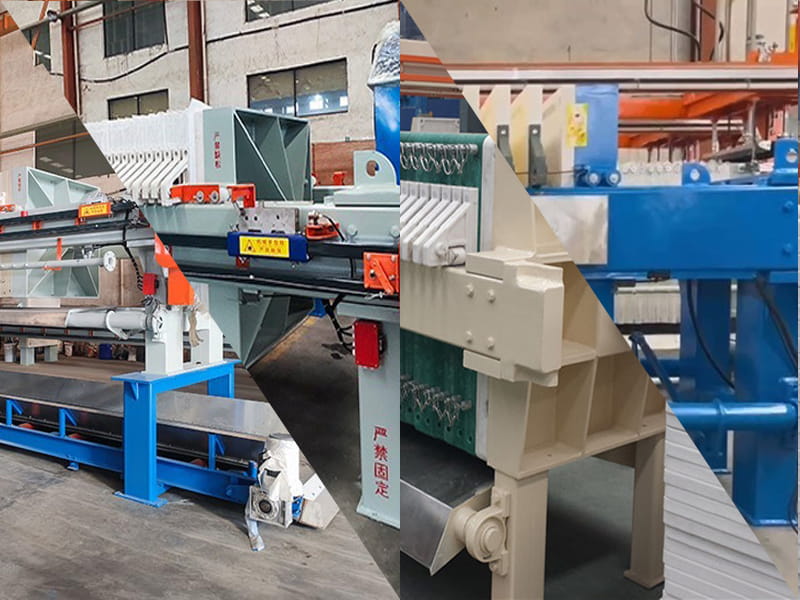
- Alternating plates and frames
- Best for lower volumes
- Easier maintenance
- All plates have recesses
- Higher capacity
- Better cake release
- Includes squeeze membranes
- Driest cake output
- Higher initial cost but better ROI
- Fully automated operation
- Plate shifters for quick discharge
- Ideal for high-volume operations
Choose wrong, and you’re leaving money on the table.
Key Factors Affecting Performance
Here’s what actually impacts your results:
Feed Characteristics:
- Particle size distribution
- Solid concentration (optimal: 3-15%)
- Chemical properties
- Temperature
Operating Parameters:
- Feed pressure (higher isn’t always better)
- Cycle time optimization
- Cloth selection
- Proper conditioning
Maintenance Factors:
- Cloth cleaning frequency
- Seal integrity
- Hydraulic system health
- Plate condition
Get these right, and your efficiency soars.
Common Challenges and Solutions
Let’s tackle the real issues.
Problem: Poor Cake Release
Solution: Check cloth blinding, adjust cycle time, or consider release agents
Problem: Excessive Cloth Wear
Solution: Verify proper pressure settings, check for abrasive particles, review cloth material selection
Problem: Leaking During Operation
Solution: Inspect plate seals, verify closing pressure, check for plate warping
Problem: Long Cycle Times
Solution: Optimize feed concentration, check for cloth blinding, verify pump performance
Optimizing Your Filter Press Operation
Want maximum efficiency? Here’s your checklist:
- Monitor Feed Consistency
- Use upstream thickeners if needed
- Maintain steady solid concentration
- Control particle size distribution
- Dial In Operating Pressure
- Start low, increase gradually
- Find the sweet spot for your material
- Don’t max out unnecessarily
- Choose the Right Filter Cloth
- Match weave to particle size
- Consider chemical compatibility
- Balance filtration rate vs. cake release
- Implement Preventive Maintenance
- Daily visual inspections
- Weekly pressure checks
- Monthly cloth deep cleaning
- Quarterly seal replacements
- Track Performance Metrics
- Cycle time trends
- Filtrate clarity
- Cake moisture content
- Cloth life cycles
The Technical Side: Understanding Pressure Dynamics
Let me get a bit nerdy here.
The relationship between pressure and flow follows Darcy’s Law:
Flow Rate = (Pressure × Permeability) / (Viscosity × Cake Thickness)
What this means for you:
- Doubling pressure doesn’t double flow rate
- Cake resistance increases exponentially
- There’s an optimal pressure for every application
Understanding this prevents overdesigning and saves energy.
Cost-Benefit Analysis
Let’s talk money.
Typical ROI Timeline:
- Small units (< 500mm plates): 12-18 months
- Medium units (800-1200mm): 18-24 months
- Large units (> 1500mm): 24-36 months
Operating Cost Factors:
- Energy consumption: $0.50-2.00 per cubic meter processed
- Filter cloth replacement: $500-5,000 per change
- Labor (automatic vs. manual): Can reduce by 80% with automation
- Disposal savings: Often 50-70% reduction in hauling costs
Future Developments in Filter Press Technology
The industry isn’t standing still.
Coming in 2026 and Beyond:
- AI-powered cycle optimization
- IoT sensors for predictive maintenance
- Advanced membrane materials
- Energy recovery systems
- Fully automated cloth changing
Smart operations are already testing these technologies.
Making the Right Choice for Your Application
So how do you pick the perfect system?
Consider these factors:
- Daily volume requirements
- Desired cake dryness
- Chemical compatibility needs
- Available floor space
- Automation requirements
- Budget constraints
Don’t just buy on price. The cheapest option often costs the most in the long run.
Conclusion
So that’s how a filter press works – from the initial plate closing through final cake discharge. These machines transform messy slurries into manageable solids and clean liquids through simple but effective pressure filtration.
The key is understanding each phase of operation and optimizing for your specific needs. Whether you’re processing mining tailings or treating wastewater, the fundamental principles remain the same: pressure, filtration, and separation.
Ready to revolutionize your solid-liquid separation process? Start by evaluating your current operations against the best practices I’ve outlined here. Small improvements in filter press operation can lead to massive efficiency gains.
Remember: A well-run filter press doesn’t just separate solids from liquids – it separates profitable operations from the rest.