Ever wondered how industries separate massive amounts of solids from liquids without breaking the bank?
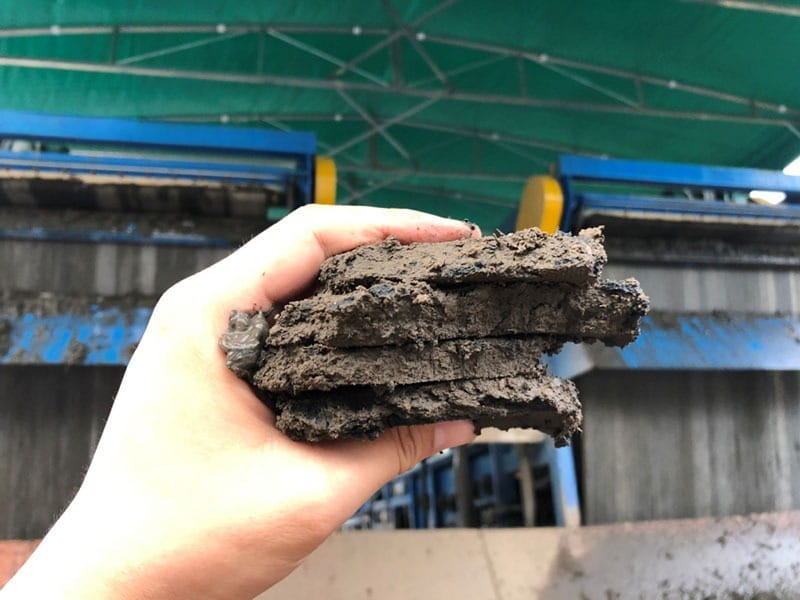
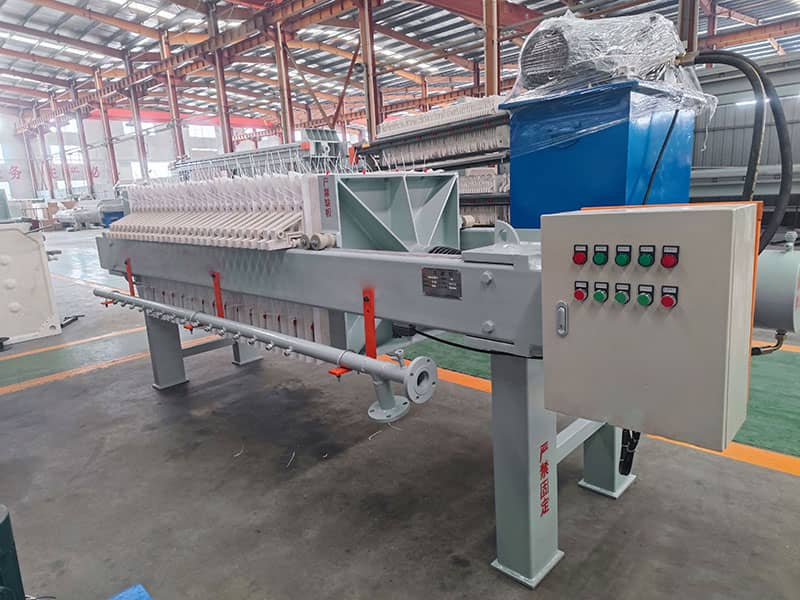
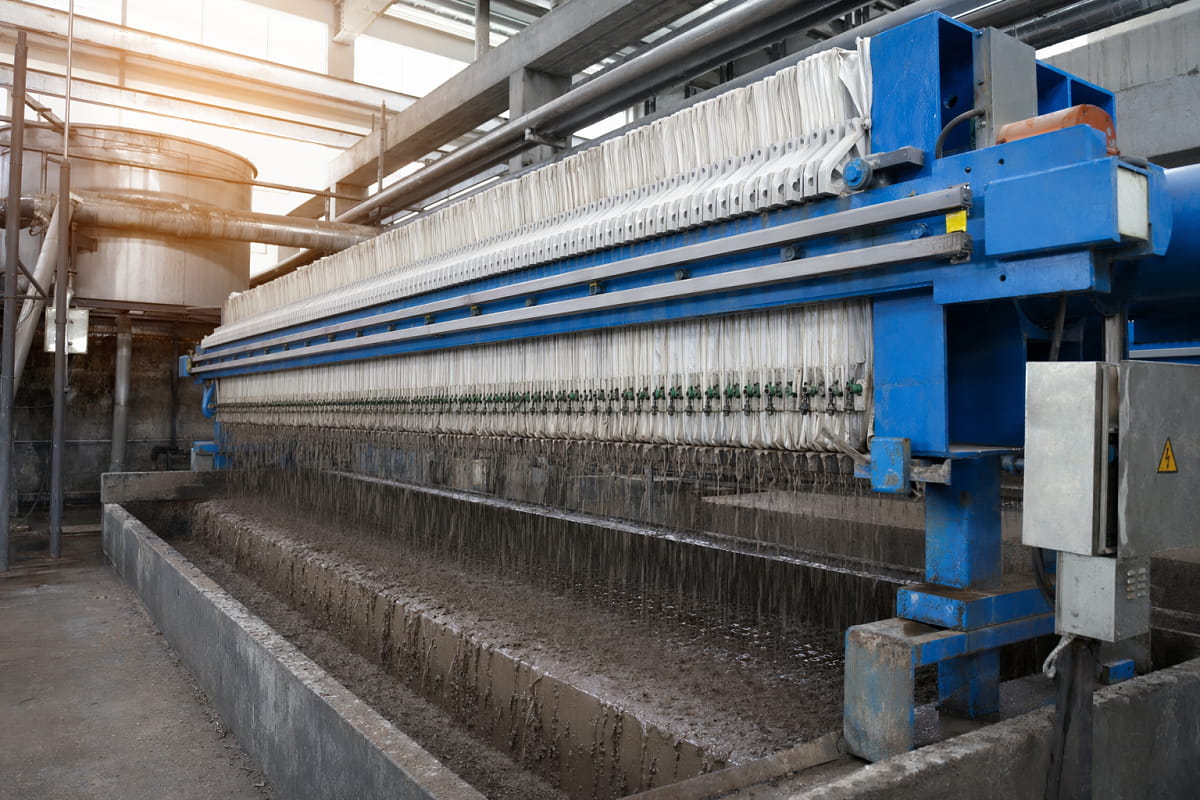
Here’s the thing: a frame filter press is an industrial workhorse designed to remove solids from slurries through pressure filtration. It’s basically a stack of plates and frames that squeeze liquid out of sludge, leaving you with dry, manageable filter cake.
I’ve seen these machines transform wastewater treatment operations. And in this guide, as a professional plate and frame filter press manufacturer, I’ll show you exactly what a frame filter press is used for, how it works, and why it might be the solution your operation needs.
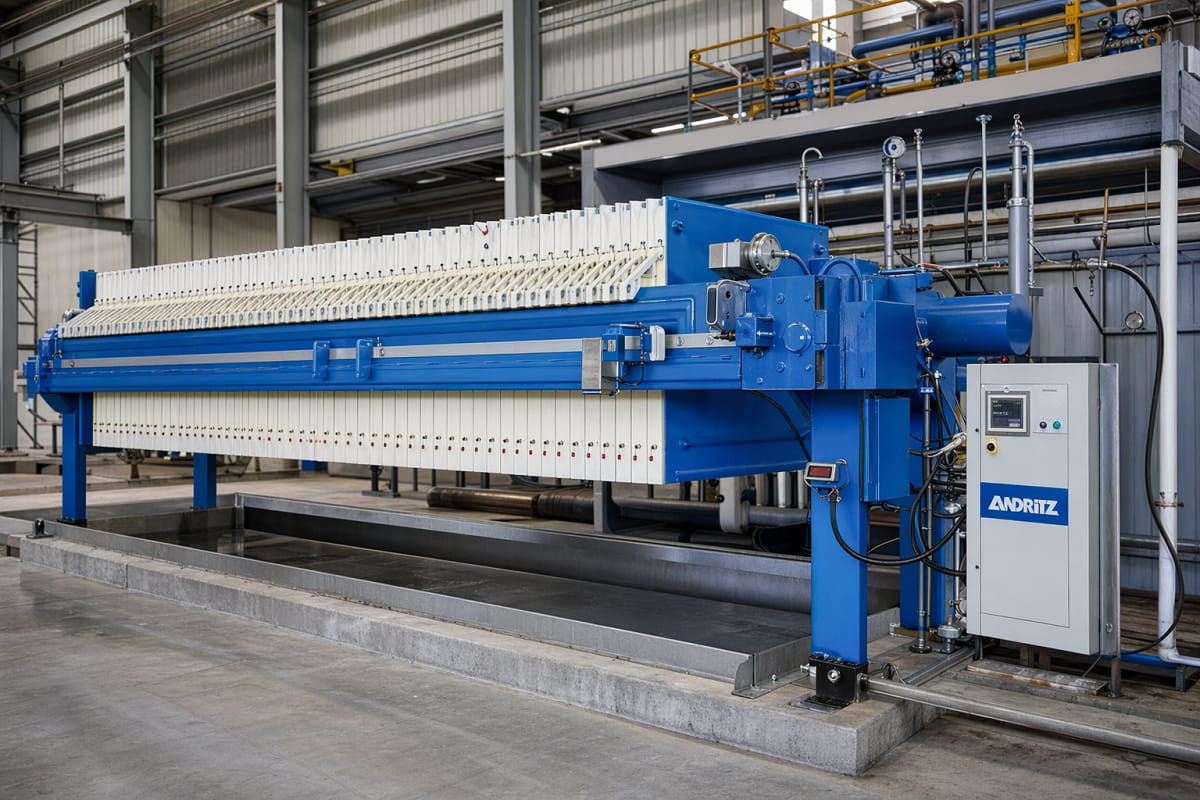
How Frame Filter Presses Actually Work
Let me break down the process in simple terms.
A frame filter press operates on a straightforward principle: pressure + filtration = separation.
Here’s what happens:
- Slurry enters the press through a feed pump
- Pressure builds up inside the chambers (formed between plates and frames)
- Liquid passes through filter cloths while solids stay behind
- Dry filter cake forms and gets discharged
The beauty? This process is remarkably efficient. In fact, most industrial frame filter presses achieve cake dryness levels exceeding 35% – that’s dry enough to meet strict landfill requirements.
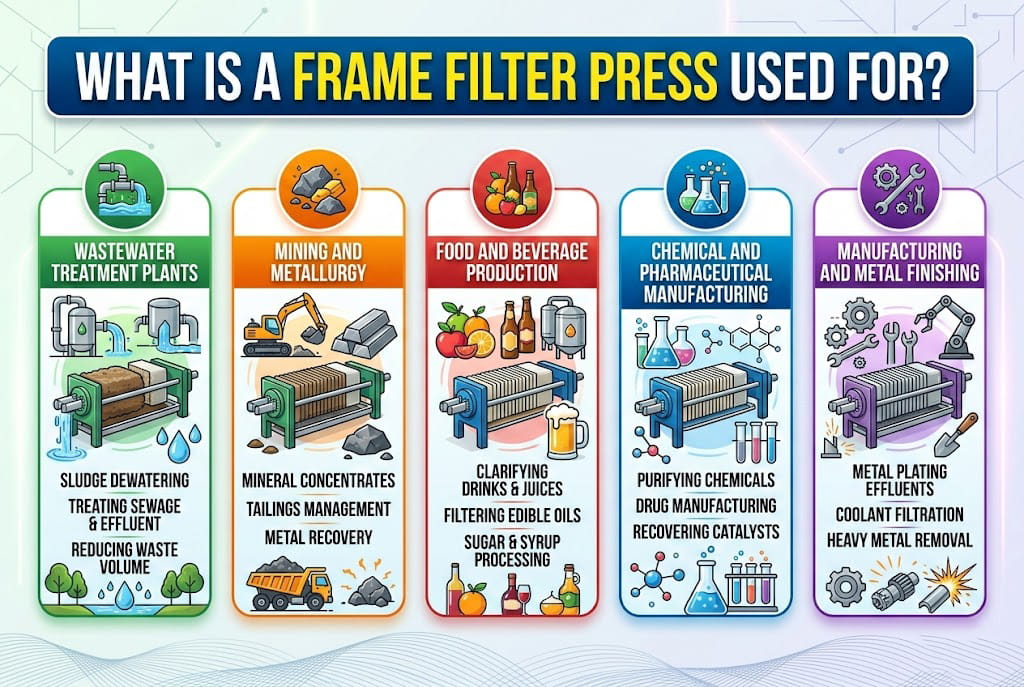
What Is a Frame Filter Press Used For? Top 5 Industries
Wastewater Treatment Plants
This is where frame filter presses really shine.
Municipal treatment plants use them to:
- Dewater sewage sludge before disposal
- Reduce disposal costs by up to 80%
- Meet environmental compliance standards
Real-world impact: A mid-sized municipal plant processing 5 million gallons daily can reduce sludge volume by 90% using a properly sized filter press.
Mining and Metallurgy
Mining operations are HUGE users of filter press technology.
They use frame filter presses for:
- Tailings dewatering
- Concentrate filtration
- Water recovery and reuse
I’ve seen copper mines in Chile boost their water recovery rates by 20% just by optimizing their filter press operations.
Food and Beverage Production
Here’s where things get interesting.
Food processors use frame filter presses to:
- Clarify edible oils
- Filter beer and wine
- Process sugar solutions
- Separate solids from dairy products
Pro tip: Food-grade filter presses use special FDA-approved materials and cloths. Don’t try to save money by using industrial-grade equipment for food applications.
Chemical and Pharmaceutical Manufacturing
These industries demand precision.
Frame filter presses help them:
- Separate chemical precipitates
- Purify pharmaceutical products
- Filter dyes and pigments
- Process specialty chemicals
The key here? Consistent, repeatable results that meet strict quality standards.
Manufacturing and Metal Finishing
Manufacturing plants rely on filter presses for:
- Metal hydroxide sludge dewatering
- Paint sludge processing
- Ceramic slip filtration
- Coolant recycling
Key Advantages That Make Frame Filter Presses Essential
Let’s talk benefits.
1. Superior Solids Recovery
Frame filter presses consistently produce the driest cakes in the industry.
While other technologies struggle to reach 25% solids, frame filter presses routinely hit 35-50% solids content. That’s a game-changer for disposal costs.
2. Operational Flexibility
These machines handle:
- Variable feed rates
- Different slurry types
- Changing solid concentrations
- Multiple filtration cycles
3. Low Maintenance Requirements
Here’s what I love about frame filter presses: simplicity.
Fewer moving parts means:
- Less frequent breakdowns
- Lower maintenance costs
- Easier troubleshooting
- Longer equipment life
4. Cost-Effective Operation
The numbers speak for themselves:
- Operating costs 1/6 of belt presses
- Lower energy consumption
- Reusable filter media
- Minimal operator attention required
Choosing the Right Frame Filter Press Configuration
Not all filter presses are created equal.
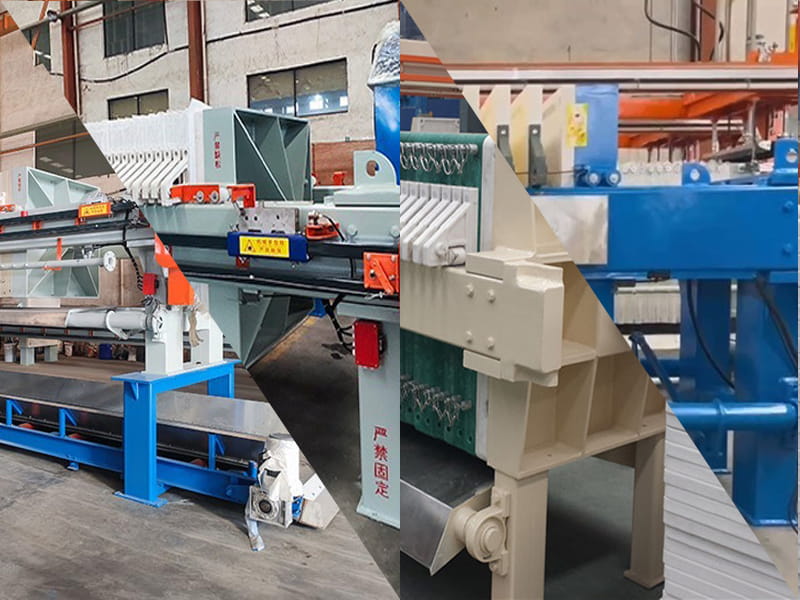
Manual vs. Automatic Operation
Manual presses work great for:
- Small-scale operations
- Batch processing
- Budget-conscious facilities
Automatic presses excel at:
- High-volume operations
- 24/7 processing
- Consistent cake quality
- Reduced labor costs
Plate Material Selection
Your choice depends on your application:
- Polypropylene: Chemical resistance, lightweight, cost-effective
- Cast iron: High pressure applications, durability
- Stainless steel: Food/pharma applications, corrosion resistance
Size and Capacity Considerations
Think about:
- Daily processing volume
- Space constraints
- Future expansion needs
- Cake disposal methods
Critical Components That Drive Performance
Understanding these components helps optimize your operation.
Filter Cloths: The Unsung Heroes
Filter cloths determine:
- Filtrate clarity
- Cake release properties
- Cycle times
- Operating costs
My recommendation: Invest in quality cloths. The initial cost pays for itself through longer life and better performance.
Hydraulic Systems
Modern hydraulic systems offer:
- Precise pressure control
- Consistent closing force
- Safety interlocks
- Remote monitoring capabilities
Feed Pumps
The right pump makes all the difference:
- Progressive cavity pumps for thick slurries
- Centrifugal pumps for high flow rates
- Diaphragm pumps for abrasive materials
Optimizing Your Filter Press Operation
Want maximum efficiency? Follow these proven strategies.
1. Monitor and Adjust Operating Pressure
Start low and gradually increase pressure. This approach:
- Extends cloth life
- Improves cake quality
- Reduces energy consumption
2. Implement Proper Cloth Washing
Regular cloth washing:
- Maintains filtration rates
- Prevents blinding
- Extends cloth life by 40-60%
3. Track Key Performance Indicators
Monitor these metrics:
- Cycle times
- Cake moisture content
- Filtrate clarity
- Cloth life
Common Mistakes to Avoid
I’ve seen these errors countless times.
Oversizing Equipment
Bigger isn’t always better. Oversized presses lead to:
- Higher capital costs
- Inefficient operation
- Excessive energy use
- Poor cake formation
Neglecting Preventive Maintenance
Skipping maintenance causes:
- Unexpected downtime
- Premature component failure
- Poor filtration performance
- Safety risks
Using Wrong Filter Media
Mismatched filter cloths result in:
- Poor cake release
- Rapid blinding
- Short cloth life
- Inconsistent performance
Making the Right Decision for Your Operation
Here’s my advice.
Start by answering these questions:
- What’s your daily processing volume?
- What are your cake dryness requirements?
- How much operator attention can you provide?
- What’s your budget for initial investment and operation?
Then, work with experienced suppliers who understand your industry’s specific needs.
The Bottom Line
What is a frame filter press used for? It’s the go-to solution for industrial solid-liquid separation across dozens of industries. From wastewater treatment to food processing, these machines deliver consistent, cost-effective dewatering performance.
The key is matching the right configuration to your specific application. Whether you need a simple manual press for small batches or a fully automated system for continuous operation, frame filter presses offer the flexibility and reliability modern operations demand.
Ready to improve your dewatering process? Start by evaluating your current separation challenges and exploring how a properly configured frame filter press can transform your operation’s efficiency and bottom line.