- Key Takeaways
- A mobile filter press is a self-contained, transportable solid-liquid separation system mounted on a trailer, skid, or container that brings industrial-grade dewatering directly to your site.
- These units can be operational in 2-4 hours versus months for permanent installations, with rental costs running $25,000-$40,000 monthly compared to $85,000+ for off-site transport and processing.
- They’re ideal for temporary projects, remote locations, and operations that move between sites, but have capacity limitations compared to stationary units and require proper site preparation and permits.
Ever watched a construction crew pump muddy water out of a foundation? Or seen mining operations dealing with wet sludge miles from the nearest facility?
Here’s the problem: traditional filter presses are massive, stationary beasts. They sit in one spot, doing their job perfectly… as long as you can bring the material to them.
But what happens when you can’t?
That’s where mobile filter presses come in. And today, as a professional membrane filter press manufacturer, I’m going to show you exactly what they are, how they work, and why they’re becoming essential equipment in 2026.
What is a Mobile Filter Press?
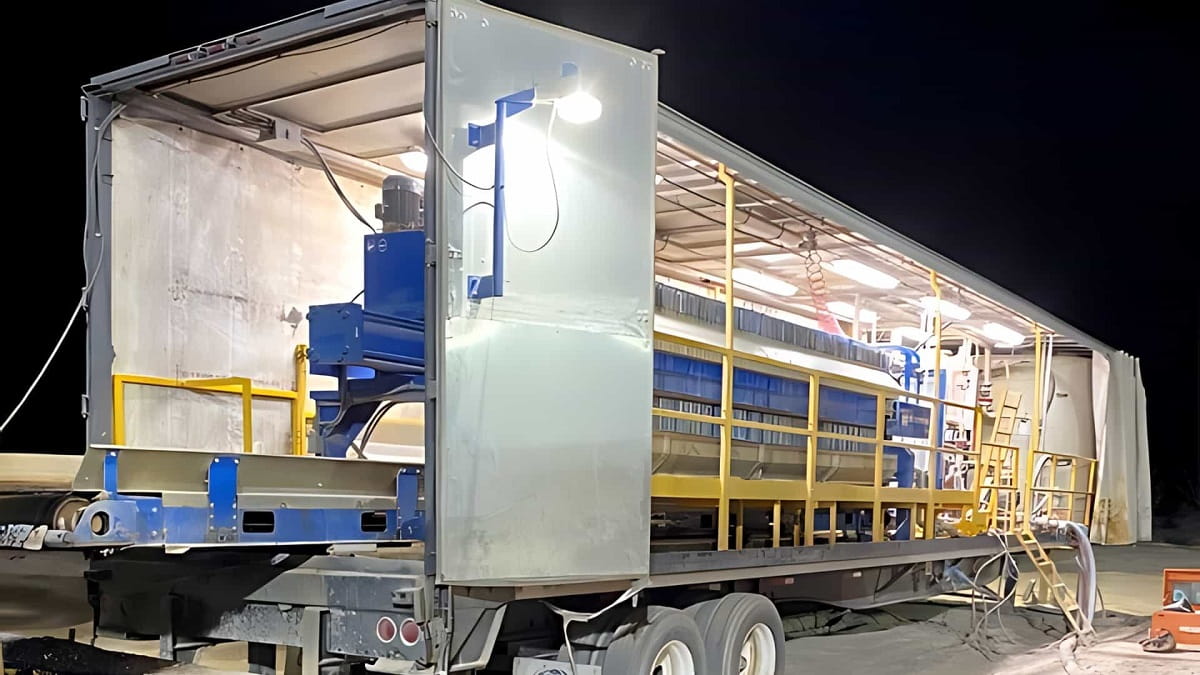
A mobile filter press is a self-contained, transportable solid-liquid separation system that’s mounted on a trailer, skid, or shipping container. Think of it as a complete dewatering plant on wheels.
Here’s the key difference:
Regular filter presses are bolted to a concrete foundation in a facility. Mobile filter presses? They roll up to wherever you need them.
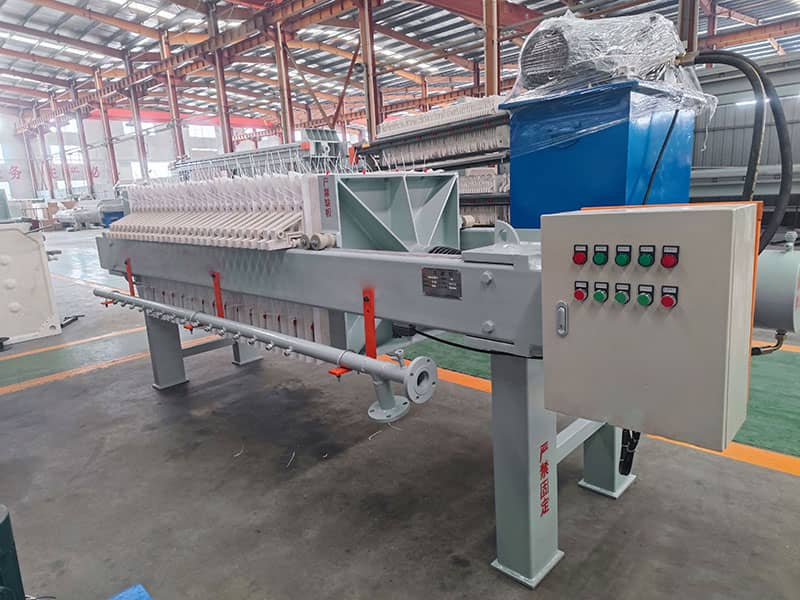
These units pack everything you need for on-site sludge dewatering:
- The filter press itself
- Hydraulic power unit
- Control panels
- Feed pumps
- Sometimes even conveyors and cake chutes
The bottom line? You get industrial-grade filtration that goes wherever your work takes you.
Why Mobile Filter Presses Are Taking Over
Let me share something interesting.
A few years back, I talked to a project manager at a fracking site in Texas. He told me they used to truck their drilling mud 150 miles to the nearest treatment facility.
The cost? $12,000 per day just in transportation.
Then they switched to a mobile filter press. Now they process everything on-site for a fraction of that cost.
But here’s what really makes mobile filter presses game-changers:
1. They Go Where Traditional Presses Can’t
Remote mining operation? Check.
Temporary construction site? Check.
Emergency spill response? Check.
Mobile filter presses handle them all.
2. Quick Setup Time
Most units can be operational in 2-4 hours. Compare that to weeks (or months) for installing a permanent system.
3. No Building Required
Traditional filter presses need:
- Concrete foundations
- Permanent buildings
- Fixed utility connections
Mobile units? Just level ground and basic utilities.
How Mobile Filter Presses Actually Work
The process is surprisingly straightforward.
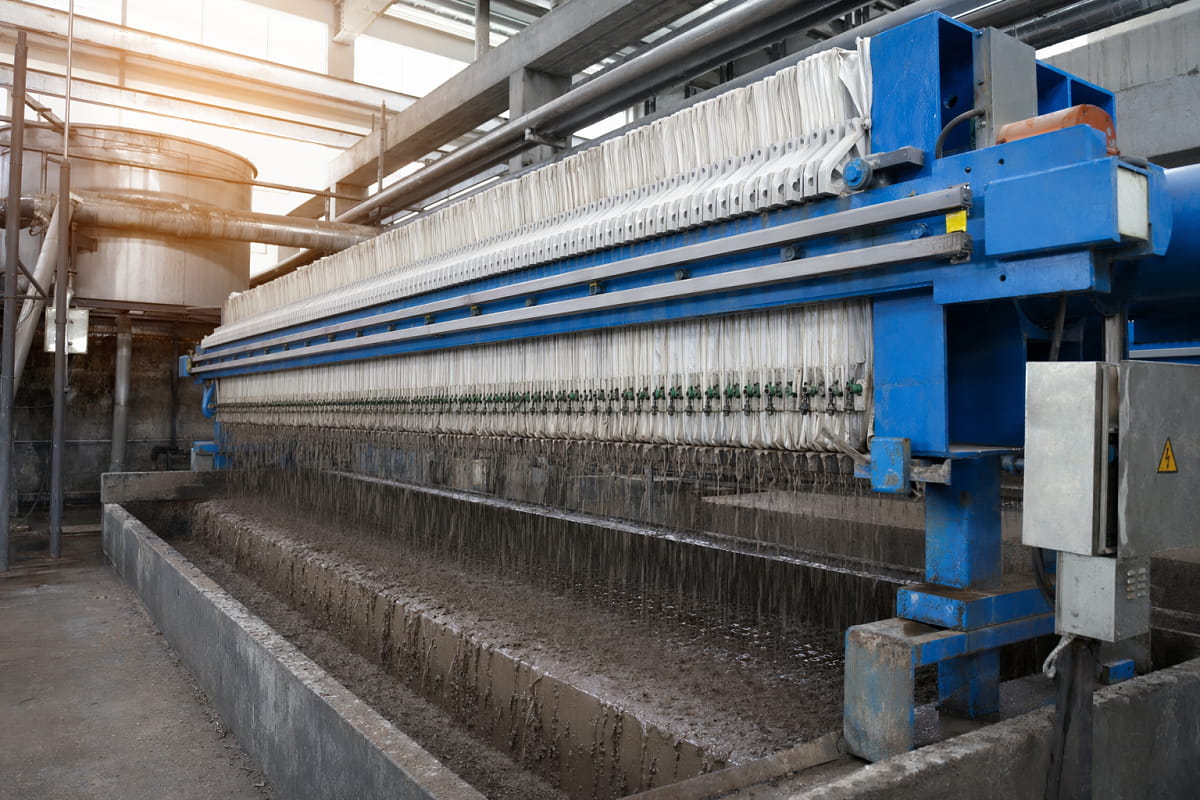
First, your slurry or wastewater gets pumped into the filter press chambers. These chambers are formed by a series of plates covered with filter cloth.
Next, hydraulic pressure squeezes the plates together. The liquid passes through the filter cloth while solids stay behind.
(Think of it like a high-tech version of squeezing water out of a sponge.)
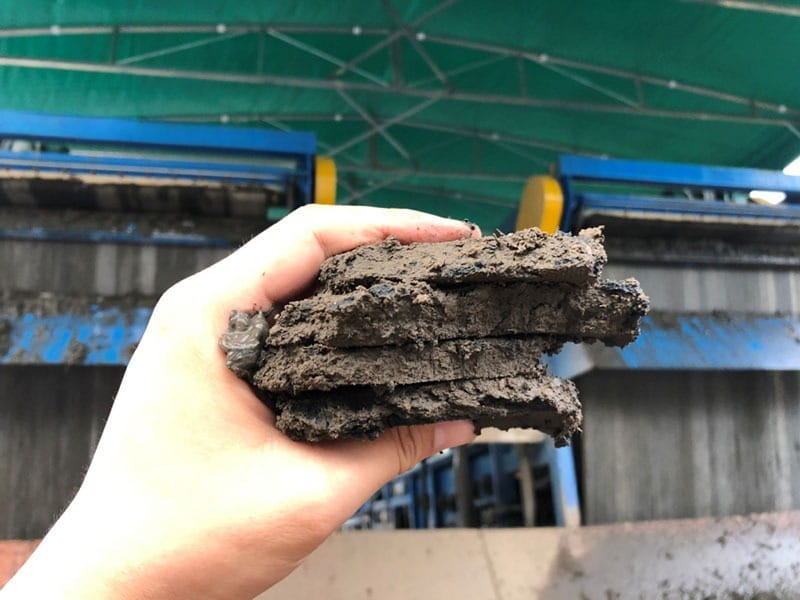
The result? Clear filtrate water and dry filter cake.
But here’s where mobile units shine:
Everything happens inside a self-contained system. The hydraulic unit, control panel, and pumps are all integrated into the mobile package.
Key Components of a Mobile Filter Press System
Let’s break down what you actually get with these units:
The Trailer or Skid
This is your foundation. Most use heavy-duty trailers rated for highway speeds. Some opt for shipping containers for overseas transport.
Filter Press Assembly
The heart of the system. Typical sizes range from 470mm to 1500mm plates, with 15-100 chambers depending on your needs.
Hydraulic Power Unit
Provides the muscle to close the plates and maintain pressure during filtration. Usually 3,000-6,000 PSI systems.
Control System
Modern units use PLC controls with touchscreen interfaces. You can monitor pressure, cycle times, and fault conditions in real-time.
Feed Pump System
Most use air-operated diaphragm pumps or progressive cavity pumps. The key? They handle varying solid concentrations without clogging.
Safety Features
Look for:
- Emergency stops
- Pressure relief valves
- Safety railings and walkways
- LED work lights for night operations
Real-World Applications (Where These Units Excel)
I’ve seen mobile filter presses transform operations across industries. Here are the heavy hitters:
Mining and Mineral Processing
Mining operations move. A lot.
As ore bodies deplete, operations shift to new areas. Mobile filter presses follow the work, dewatering tailings and process water wherever needed.
One copper mine in Arizona reported saving $2.3 million annually by processing tailings on-site versus hauling to a central facility.
Oil, Gas, and Fracking
This industry basically invented the mobile filter press game.
Drilling operations generate massive amounts of drilling mud and produced water. Mobile units handle both, turning liquid waste into stackable solids and reusable water.
Construction Dewatering
Big construction projects often hit groundwater. Mobile filter presses turn that problem into manageable cake that’s easy to haul away.
Pro tip: Many contractors now specify mobile dewatering in their bids. It’s faster and cheaper than traditional settling ponds.
Environmental Remediation
Contaminated site? Mobile filter presses can be on-scene within hours, not weeks.
They’re perfect for:
- Pond cleanouts
- Lagoon closures
- Emergency spill response
- Contaminated soil washing projects
Industrial Maintenance
Here’s a use case many overlook:
Factories use mobile units during tank cleanouts and maintenance shutdowns. Instead of installing permanent equipment for occasional use, they rent mobile units as needed.
Mobile vs. Stationary Filter Presses: The Real Comparison
Let’s cut through the fluff and look at what matters:
Setup Time
- Stationary: 2-6 months (including construction)
- Mobile: 2-4 hours
Initial Cost
- Stationary: $500K-$2M (including building and installation)
- Mobile: $350K-$800K (ready to run)
Operational Flexibility
- Stationary: Fixed location only
- Mobile: Anywhere with road access
Capacity
- Stationary: Can be larger (up to 2000mm plates)
- Mobile: Limited by transport regulations (typically up to 1500mm)
The verdict?
If you’re processing in one spot forever, stationary wins. For everything else, mobile makes more sense.
What to Look for When Choosing a Mobile Filter Press
Not all mobile units are created equal. Here’s what separates the pros from the pretenders:
1. Build Quality
Look for:
- Heavy-duty steel construction
- Quality welds (not just tack welds)
- Proper paint/coating systems
- Name-brand components
2. True Mobility
Some “mobile” units are mobile in name only. Make sure yours has:
- DOT-approved trailer (if road travel is needed)
- Proper weight distribution
- Secure component mounting
- Folding platforms that don’t require removal
3. Automation Level
Modern units should include:
- Automatic plate shifting
- Programmable cycle controls
- Remote monitoring capability
- Automatic cloth washing systems
4. Support Infrastructure
The best systems include:
- Integrated cake conveyors
- Chemical feed systems
- Wash water collection
- Proper lighting for 24/7 operation
Cost Considerations: The Numbers That Matter
Let’s talk money.
A typical 1000mm mobile filter press system runs $400,000-$600,000 new. But here’s where it gets interesting:
Rental Options
Many operations rent rather than buy:
- Daily: $1,500-$3,000
- Weekly: $8,000-$15,000
- Monthly: $25,000-$40,000
Operating Costs
Figure on:
- Labor: 1-2 operators per shift
- Power: 50-150 kW depending on size
- Chemicals: $50-$200 per operating hour
- Maintenance: 2-3% of capital cost annually
ROI Calculation
Here’s a real example:
A remediation contractor processing 1,000 gallons per minute of contaminated groundwater:
- Transportation to off-site facility: $85,000/month
- Mobile filter press rental + operation: $35,000/month
- Monthly savings: $50,000
Payback on purchase? Usually 12-18 months for high-use applications.
Setting Up for Success: Best Practices
I’ve watched teams struggle with mobile filter presses. And I’ve seen others run them like clockwork.
The difference? Following these proven practices:
Site Preparation
Even mobile units need proper setup:
- Level, compacted surface (concrete pad ideal)
- Adequate space for truck access
- Utilities within 100 feet
- Spill containment provisions
Operational Tips
Feed Consistency Matters
Variable feed rates kill efficiency. Use surge tanks or equalization basins when possible.
Chemical Conditioning is Key
The right polymer or coagulant can double your throughput. Test different options before committing.
Maintain Filter Cloths
Clean cloths = better performance. Install automatic washing systems and use them religiously.
Train Your Team
Mobile doesn’t mean simple. Proper training prevents problems and maximizes throughput.
Future Trends: What’s Next for Mobile Filtration
The mobile filter press industry isn’t standing still. Here’s what’s coming:
Increased Automation
2026 units feature:
- AI-powered optimization
- Predictive maintenance alerts
- Cloud-based monitoring
- Automatic chemical dosing adjustment
Modular Designs
New systems use modular construction. Need more capacity? Add modules. Job finished? Remove them.
Alternative Technologies
Some mobile units now combine:
- Filter presses with belt presses
- Screw presses for pre-dewatering
- Centrifuges for fine solids
Sustainability Focus
Modern mobile presses emphasize:
- Solar power options
- Water recycling systems
- Reduced chemical usage
- Lower carbon footprints
Common Pitfalls (And How to Avoid Them)
Let me save you some headaches.
Mistake #1: Underestimating Space Needs
Mobile doesn’t mean tiny. You need room for:
- The unit itself
- Cake storage
- Chemical storage
- Truck access
Solution: Plan for 3x the trailer footprint minimum.
Mistake #2: Ignoring Local Regulations
Some areas require permits for mobile treatment systems.
Solution: Check regulations before mobilizing. Some suppliers handle permits as part of rental agreements.
Mistake #3: Skipping Pilot Testing
Every sludge is different. What works at Site A might fail at Site B.
Solution: Always run bench-scale tests first. Many suppliers offer pilot units for testing.
Making the Decision: Is a Mobile Filter Press Right for You?
Here’s my simple decision framework:
Go Mobile If:
- Your processing location changes
- You need temporary dewatering
- Multiple sites need periodic processing
- Capital budget is limited
- Quick deployment is critical
Stick with Stationary If:
- You process 24/7 at one location
- You need maximum capacity
- Feed material is extremely consistent
- You have existing infrastructure
The Bottom Line on Mobile Filter Presses
Mobile filter presses aren’t just smaller versions of stationary units. They’re purpose-built solutions for a mobile world.
They excel where traditional systems can’t even operate. They deploy fast. They adapt to changing needs.
Are they perfect for every application? No.
But for temporary projects, remote locations, and variable operations? They’re game-changers.
The technology keeps improving. Costs keep dropping. And applications keep expanding.
In 2026, if you’re still hauling sludge to distant treatment facilities, you’re leaving money on the table.
Time to think mobile.
Your Next Steps
Ready to explore mobile filter press options? Here’s your action plan:
- Assess your needs: Volume, location, duration
- Test your material: Get a bench-scale analysis
- Compare suppliers: Look beyond just price
- Consider rental first: Test before you invest
- Plan for success: Prepare your site and team
The mobile filter press revolution is here. The question isn’t whether you need one.
It’s how soon you can put one to work.
Remember: In today’s fast-moving industrial world, flexibility isn’t just nice to have. It’s essential for staying competitive.
And that’s exactly what a mobile filter press delivers.