- Key Takeaways
- Manual filter presses work best for operations under 5 cycles daily with variable batches and tight budgets, while automatic systems become essential at 10+ cycles per day where consistency and safety matter.
- The real costs include labor ($50-75 per cycle for manual), safety risks, and disposal fees – automatic systems produce 35-40% solids versus 25-30% for manual, saving $21/ton in disposal.
- Plates over 630mm make manual operation impractical, and sticky materials often demand automation regardless of volume.
- Match the technology to your specific needs, growth trajectory, and material characteristics rather than choosing based on price alone.
Are you looking at filter presses and wondering whether to go manual or automatic? I get it.
The manual filter press vs automatic filter press debate isn’t just about upfront costs. It’s about understanding which system will actually deliver results for your specific operation.
Here’s the deal:
I’ve seen companies waste thousands on the wrong equipment because they focused on price tags instead of total value. Today, as a professional filter press manufacturer, I’m going to break down exactly what separates manual filter press and automatic filter press, and help you make the right call.
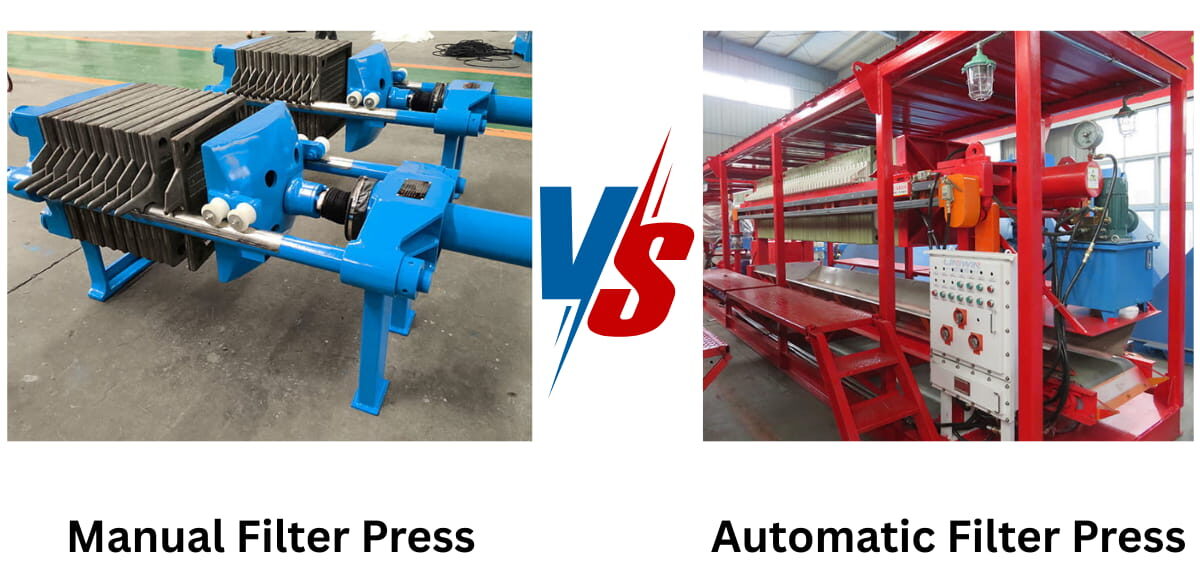
Manual Filter Press vs Automatic Filter Press: Real Difference
Let me start with the basics.
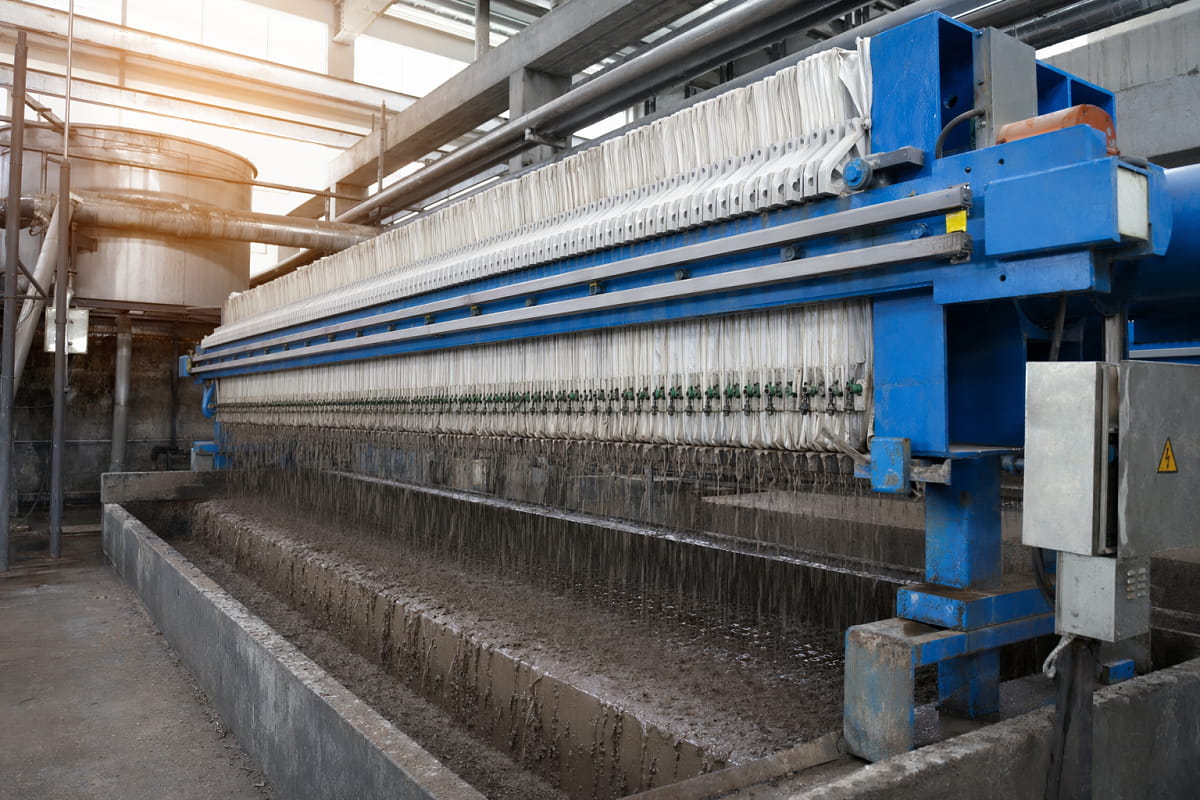
Both systems do the same job: they separate solids from liquids using pressure filtration. The difference? How much human muscle goes into making it happen.
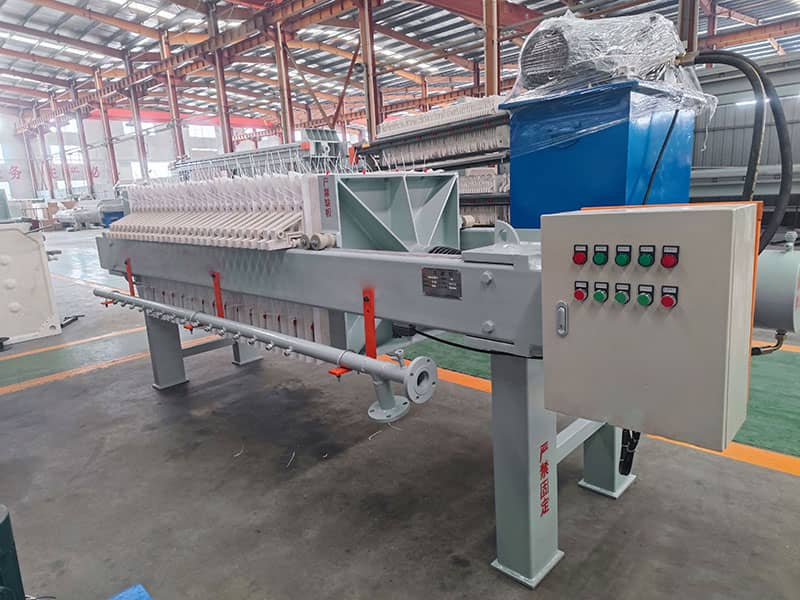
A manual filter press requires operators to:
- Open and close plates by hand
- Physically remove filter cakes
- Clean filter cloths manually
- Monitor every single cycle
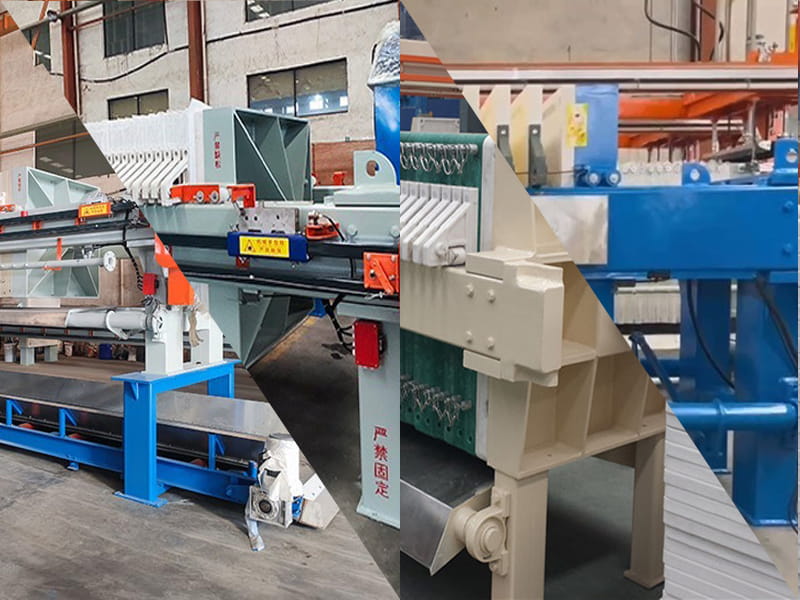
An automatic filter press handles these tasks with:
- Hydraulic plate shifters
- PLC-controlled sequences
- Automated cake discharge
- Self-cleaning mechanisms
But here’s the thing: the differences go way deeper than just pushing buttons versus pulling levers.
Manual Filter Press: When Simple Actually Works
Manual filter presses aren’t outdated. They’re strategic choices for specific situations.
Best suited for:
- Small batch operations
- Variable production schedules
- Tight initial budgets
- Simple maintenance requirements
I’ve noticed that companies with production volumes under 5 cycles per day often find manual presses perfect for their needs.
Why?
Because you’re looking at $15,000-$30,000 for a quality manual system versus $50,000-$100,000+ for automation. That’s real money when you’re just starting out.
The Hidden Costs Nobody Talks About
But (and this is a big but), manual systems come with baggage:
Labor intensity hits hard. Two operators spending 30-45 minutes per cycle adds up fast. At $25/hour per operator, you’re burning through $50-75 just in labor for each filtration cycle.
Safety risks multiply with every plate shift. I’ve seen experienced operators suffer back injuries from repetitive plate handling. Workers’ comp claims can destroy your ROI calculations overnight.
Inconsistent results plague manual operations. Different operators = different techniques = variable cake dryness. When disposal costs run $50-100 per ton, those wet cakes hurt your bottom line.
Automatic Filter Press: When Efficiency Becomes Essential
Automatic filter presses shine when consistency and volume matter.
Pro Tip: If you’re running more than 10 cycles daily, automation typically pays for itself within 18-24 months.
Here’s what automation brings to the table:
Unattended operation means one operator can manage multiple units. I’ve seen facilities cut labor costs by 70% after switching to automatic systems.
Precise control delivers uniform results. PLCs maintain exact pressure and timing, producing cakes with consistent moisture content. This alone can slash disposal costs by 20-30%.
Enhanced safety removes operators from danger zones. Enclosed systems with automated plate shifters eliminate pinch points and repetitive strain injuries.
The ROI Most People Miss
The real payback comes from unexpected places:
- Reduced downtime: Automatic systems complete cycles 40-50% faster
- Extended equipment life: Consistent operation reduces wear on components
- Better compliance: Digital records satisfy regulatory requirements
- Integration capability: Links with plant-wide SCADA systems
Critical Decision Factors You Can’t Ignore
Plate Size Matters (A Lot)
Here’s a hard rule: plates over 630mm become impractical for manual operation.
Once you hit 800mm plates? Forget manual. The physical weight makes safe handling nearly impossible.
I’ve watched companies try to push manual systems beyond these limits. It never ends well.
Production Volume Thresholds
Let me give you real numbers:
Manual sweet spot: 1-5 cycles per day
Gray area: 5-10 cycles per day (depends on other factors)
Automatic territory: 10+ cycles per day
But volume isn’t everything…
Material Characteristics Drive Everything
Sticky, difficult sludges can make manual operation a nightmare.
I remember working with a chemical plant processing adhesive polymer waste. Their manual system required 2 hours of scraping per cycle. After automating with specialized discharge mechanisms, cycle time dropped to 45 minutes.
The lesson? Material behavior trumps general rules every time.
The Integration Question Nobody Asks
Modern plants run on data. If you’re implementing plant-wide automation or Industry 4.0 initiatives, a manual press becomes a black hole of information.
Automatic systems provide:
- Real-time performance data
- Predictive maintenance alerts
- Remote monitoring capabilities
- Seamless SCADA integration
Manual systems? You’re lucky to get a pressure gauge reading.
Making the Smart Choice (Not Just the Cheap One)
Bottom line: The manual filter press vs automatic filter press decision isn’t about which is “better.” It’s about matching technology to your specific needs.
Choose manual when:
- Batch sizes vary significantly
- Labor is readily available and affordable
- Initial capital is extremely limited
- Simplicity trumps efficiency
Choose automatic when:
- Consistent quality is non-negotiable
- Labor costs keep climbing
- Safety compliance is critical
- Production demands scalability
The Retrofit Option Most People Overlook
Here’s something interesting: you don’t always need a new system.
Many manual presses can be retrofitted with:
- Automatic plate shifters
- PLC controls
- Hydraulic closing systems
Cost? Usually 40-60% less than a new automatic system. Performance? About 80-90% of a purpose-built automatic press.
It’s the middle ground that makes sense for growing operations.
Real-World Implementation Timeline
Switching from manual to automatic isn’t instant. Here’s what to expect:
Month 1-2: Specification and engineering
Month 3-4: Manufacturing and testing
Month 5: Installation and commissioning
Month 6: Full production and optimization
Plan for 6 months from decision to full operation. Rush it, and you’ll pay later.
The Environmental Angle That Affects Your Bottom Line
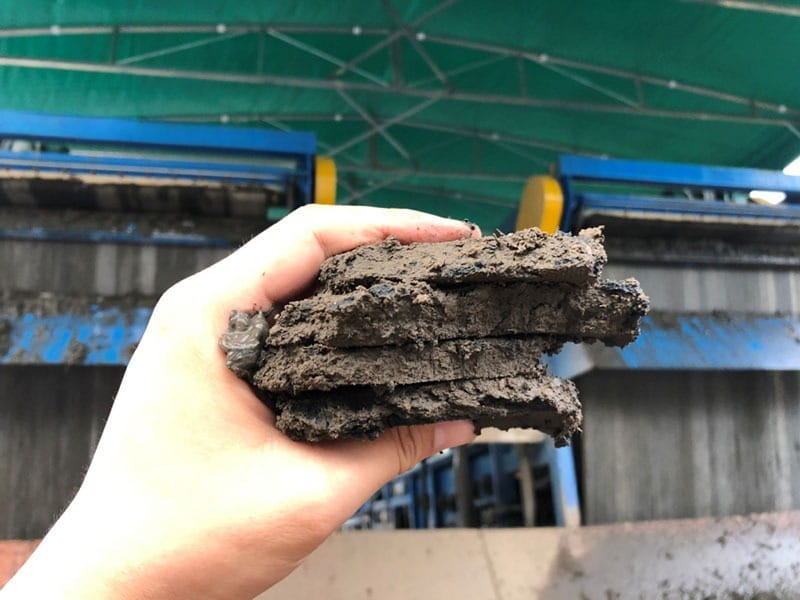
Automatic systems consistently produce drier cakes. We’re talking 25-30% solids for manual versus 35-40% for automatic systems.
Why should you care?
Drier cakes mean:
- Lower disposal costs (less weight = lower fees)
- Reduced transportation expenses
- Potential for beneficial reuse
- Better environmental compliance
At $75/ton disposal fees, improving from 25% to 35% solids saves roughly $21 per ton. Process 100 tons monthly? That’s $25,000 in annual savings.
Future-Proofing Your Investment
Technology keeps evolving. Modern automatic systems now include:
- AI-driven optimization
- Predictive maintenance algorithms
- Cloud-based monitoring
- Advanced material handling robotics
Manual systems? They’re the same as 50 years ago.
The question isn’t just what works today. It’s what positions you for tomorrow.
Your Next Steps
- Audit your current operation: Document cycle times, labor hours, and material characteristics
- Calculate true costs: Include labor, safety, disposal, and opportunity costs
- Define your growth trajectory: Where will production be in 3-5 years?
- Test your materials: Pilot testing reveals surprises before you commit capital
- Compare total lifecycle costs: Not just purchase price
The Verdict
The manual filter press vs automatic filter press choice comes down to this:
Manual systems work when simplicity and low initial cost outweigh operational efficiency. They’re tools for specific situations, not obsolete technology.
Automatic systems deliver when consistency, safety, and scalability drive profitability. They’re investments in operational excellence, not just equipment purchases.
Smart operators match the technology to their needs, growth plans, and operational realities. There’s no universal answer – only the right answer for your specific situation.
Choose wisely. Your operation’s efficiency (and your bottom line) depends on it.