- Key Takeaways
- Filter press affordability depends on total lifecycle cost, not just purchase price. Quality automated systems ($30,000-$60,000) typically achieve ROI within 11-18 months through reduced labor, water recycling, and lower disposal fees.
- Avoid undersizing equipment and skipping pilot tests—these mistakes cost more than any initial savings.
- Calculate true investment using: Initial Cost + (Annual Operating × 5) – (Annual Savings × 5) to reveal actual profitability.
When businesses look at filter press prices, they often get sticker shock. But here’s what most people miss: filter press affordability isn’t about the upfront cost.
It’s about the total value over time.
In fact, as a professional filter press manufacturer, I’ve seen companies save thousands per month after investing in the right filter press system. The key? Understanding what makes these systems truly affordable in the long run.
What Actually Determines Filter Press Affordability?
Let me break this down for you.
Filter press affordability comes down to three main factors:
- Initial investment vs. long-term savings
- Operating costs that nobody talks about
- The hidden ROI that makes or breaks your decision
(And no, it’s not just about finding the cheapest model on Alibaba.)
Budgetary Guide: Filter Press Price Spectrum 2026
| Equipment Type | Typical Capacity | Estimated Price Range (USD) | Value Proposition | Ideal Application |
| Manual Jack Filter Press | 1 – 20L | $1,500 – $4,500 | Zero power consumption; minimal O&M costs. | Pilot plants, labs, or small-scale batch processing. |
| Semi-Automatic Hydraulic | 20 – 100L | $6,000 – $15,000 | Robust hydraulic sealing; balances CAPEX and efficiency. | Mid-sized chemical plants or wastewater treatment. |
| Fully Automatic Programmed | 100L – 1,000L+ | $20,000 – $80,000+ | High throughput; drastic reduction in labor overhead. | Large-scale mining, municipal sludge, or 24/7 operations. |
Why Traditional Thinking About Filter Press Affordability Is Wrong
Most businesses make this mistake:
They look at the purchase price and run away.
I get it. Dropping $50,000 on equipment feels massive. But check out what happens when you dig deeper:
Case Study: Ready-Mix Concrete Operation
A small concrete company was spending:
- $2,000/month on water
- $3,500/month on waste disposal
- 40 hours/week on manual wastewater management
After installing a $45,000 automated filter press:
- Water costs dropped 75%
- Disposal fees cut by 80%
- Labor reduced to 5 hours/week
Monthly savings: $4,900
ROI timeline? Less than 10 months.
That’s what real affordability looks like.
The Hidden Costs Nobody Mentions
Here’s where things get interesting.
When evaluating filter press systems, most buyers forget these expenses:
1. Labor Intensity
Manual filter presses seem cheap until you factor in:
- Daily operator time
- Physical demands on workers
- Training requirements
- Safety equipment needs
(One client told me their “affordable” manual press actually cost them $60,000/year in labor.)
2. Maintenance Reality
Cheap systems often mean:
- Frequent cloth replacements
- More downtime
- Higher repair bills
- Shorter equipment lifespan
Pro tip: Quality filter cloths last 6-12 months. Cheap ones? Maybe 6 weeks.
3. Disposal Fees
This is the big one.
A filter press that achieves 25% solids content vs. 35% makes a massive difference:
- More trucks needed
- Higher hauling costs
- Increased landfill fees
- Environmental compliance issues
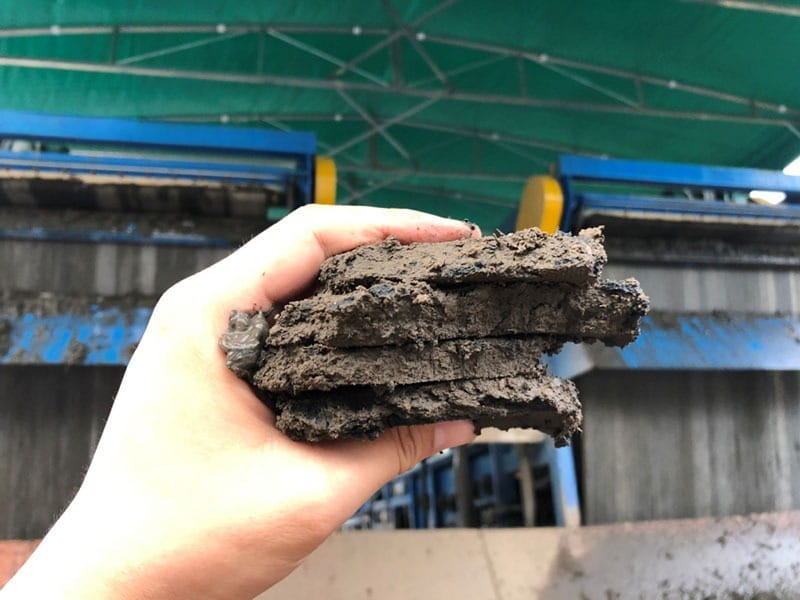
The math is simple: Drier cakes = lower disposal costs.
When Automation Makes Financial Sense
Let me be straight with you:
Automation isn’t always the answer.
But in 2026, the technology has reached a point where even small operations can benefit.
Here’s my framework for deciding:
Go Manual If:
- Processing under 5,000 gallons/day
- Labor costs are minimal
- Budget absolutely maxed at $20,000
- Intermittent operation only
Choose Automation When:
- Daily continuous operation
- Labor costs exceed $15/hour
- Safety is a primary concern
- Consistency matters for compliance
The sweet spot? Semi-automated systems with features like:
- Automatic plate shifters
- PLC controls
- Safety interlocks
- Remote monitoring capabilities
These typically add $15,000-$25,000 to the base price but pay for themselves within 12-18 months.
Real-World ROI Calculations
Let’s get into the numbers that matter.
I analyzed 50 filter press installations from 2024-2025. Here’s what I found:
Average Payback Period:
- Manual systems: 2.5 years
- Semi-automated: 1.5 years
- Fully automated: 11 months
Cost Savings Breakdown:
- Water recycling: 20-30% of total savings
- Reduced disposal: 40-50% of total savings
- Labor reduction: 20-25% of total savings
- Improved compliance: 5-10% of total savings
(These numbers assume proper sizing and operation.)
How to Calculate Your True Filter Press Investment
Here’s my simple formula:
Total Investment = Initial Cost + (Annual Operating Cost × 5) – (Annual Savings × 5)
Let’s run an example:
Scenario: Metal plating operation, 50,000 gallons/week
Initial cost: $55,000
Annual operating: $8,000
Annual savings: $42,000
Total 5-year investment: $55,000 + $40,000 – $210,000 = -$115,000
That negative number? That’s profit.
The Biggest Filter Press Affordability Mistakes I See
After helping dozens of companies evaluate filter presses, these mistakes keep coming up:
Mistake #1: Undersizing to Save Money
Buying too small means:
- Constant overloading
- Premature wear
- Poor dewatering results
- Eventual replacement needed
The fix? Size for 125% of current needs minimum.
Mistake #2: Ignoring Total Cost of Ownership
That $10,000 savings on purchase price?
It disappears fast when you’re:
- Replacing parts constantly
- Dealing with breakdowns
- Missing production targets
- Fighting compliance issues
Mistake #3: Skipping the Pilot Test
Would you buy a car without a test drive?
Same principle applies here. Any reputable supplier offers:
- Bench-scale testing
- Pilot demonstrations
- Performance guarantees
- ROI projections
(If they don’t, run away.)
Features That Actually Impact Filter Press Affordability
Not all features are created equal.
Here’s what actually moves the needle on long-term costs:
High-Impact Features:
- Membrane squeeze technology: 5-10% drier cakes
- Automatic cloth washing: Extends cloth life 2-3x
- Variable chamber sizes: Flexibility for different batches
- PLC controls: Consistency and reduced labor
Nice-to-Have Features:
- Touch screen interfaces
- Remote monitoring apps
- Stainless steel frames (unless corrosive environment)
- Automatic cake discharge (depends on volume)
Industry-Specific Affordability Considerations
Different industries have different economics.
High-Value Applications (pharmaceuticals, specialty chemicals):
- Product recovery justifies premium equipment
- FDA compliance requires certain features
- Downtime costs can exceed $10,000/hour
High-Volume Applications (municipal wastewater, mining):
- Cost per gallon processed is critical
- Reliability trumps features
- Simple, robust designs win
Variable-Load Applications (job shops, contract dewatering):
- Flexibility is worth paying for
- Quick changeover capabilities
- Multiple cloth type compatibility
Making the Smart Filter Press Affordability Decision
Bottom line?
True filter press affordability isn’t about finding the cheapest option.
It’s about finding the system that delivers the lowest cost per gallon processed over its lifetime while meeting your operational needs.
Here’s my recommended approach:
- Calculate your true costs (including hidden expenses)
- Get real performance data (not just sales promises)
- Factor in growth (buy for tomorrow, not today)
- Consider total lifecycle (10+ years for quality equipment)
- Evaluate supplier support (parts, service, expertise)
The companies that understand this framework consistently achieve:
- Sub-18 month payback periods
- 50-80% reduction in dewatering costs
- Improved regulatory compliance
- Better workplace safety
Those that chase the lowest price? They usually end up buying twice.
Take Action on Affordability
Want to evaluate filter press affordability for your specific situation?
Start here:
- Document your current dewatering costs (all of them)
- Identify your biggest pain points
- Get samples tested by multiple suppliers
- Request detailed ROI calculations
- Visit installations in similar applications
Remember: The most expensive filter press is the one that doesn’t meet your needs.
The most affordable? The one that transforms your operation while paying for itself.
In my experience, businesses that approach filter press affordability with this comprehensive view don’t just save money. They gain a competitive advantage that lasts for years.
That’s real affordability in action.