Ever wondered how factories turn muddy wastewater into clean water and dry solids?
The answer: filter presses.
In this guide, as a professional filter press manufacturer, I’ll show you exactly what a filter press is used for and why it’s one of the most reliable industrial separation technologies in 2026.
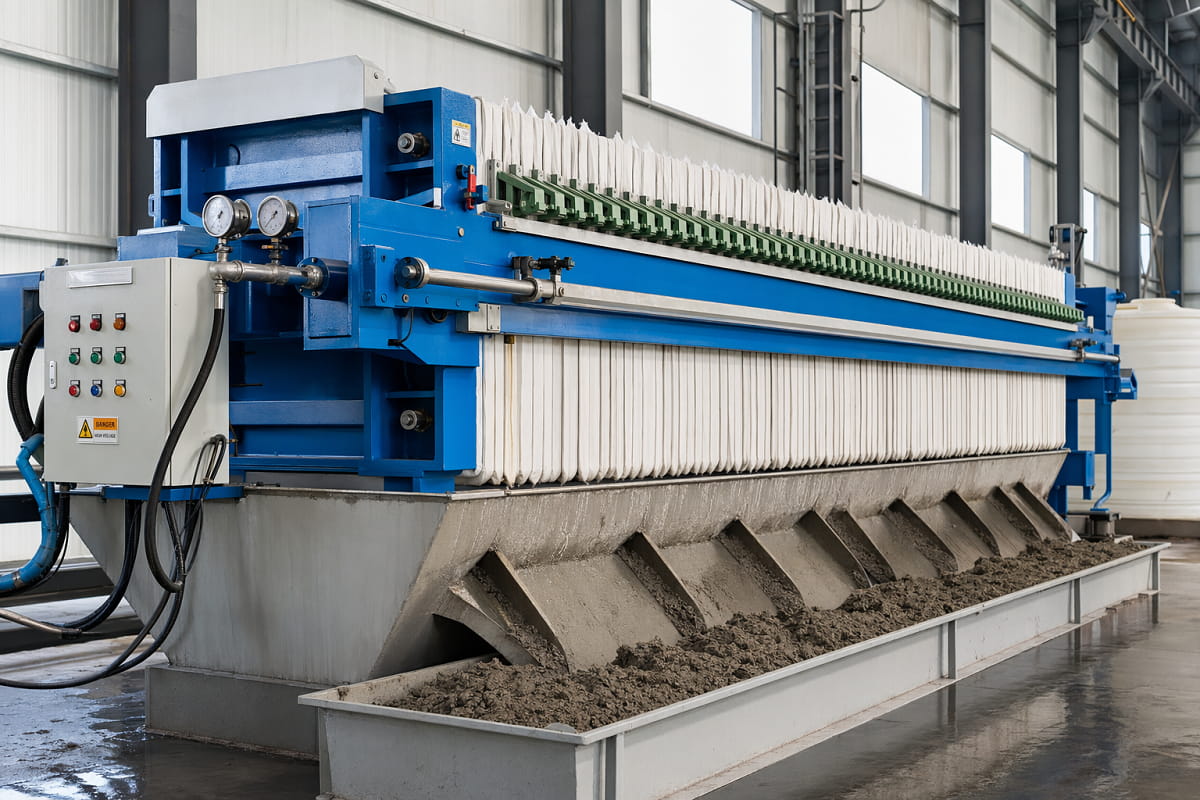
What Is a Filter Press Used For?
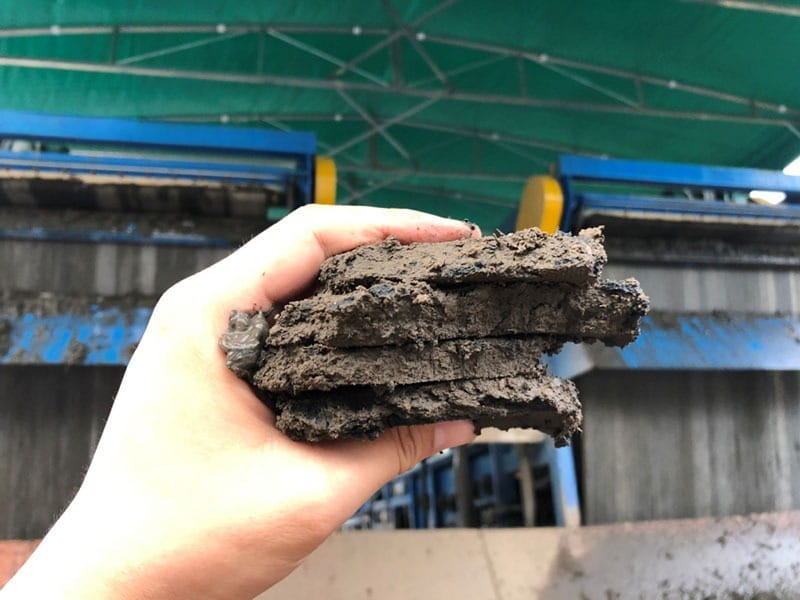
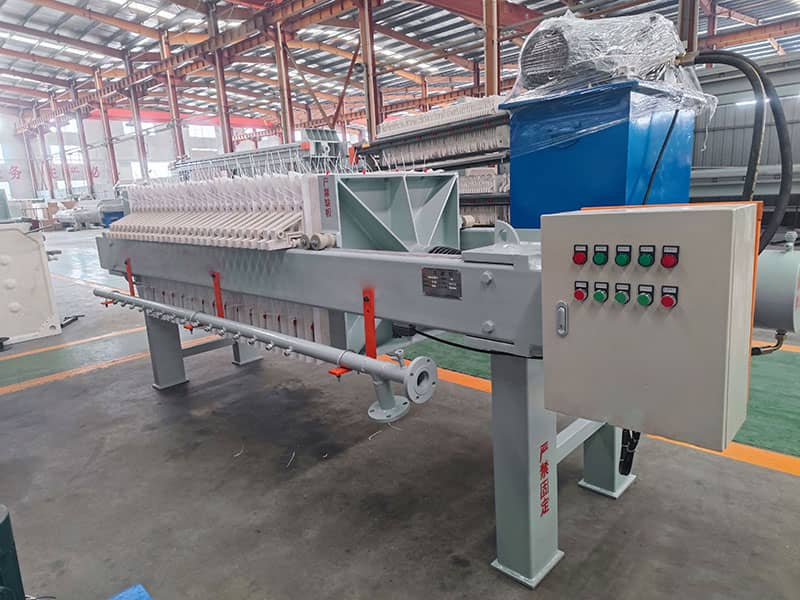
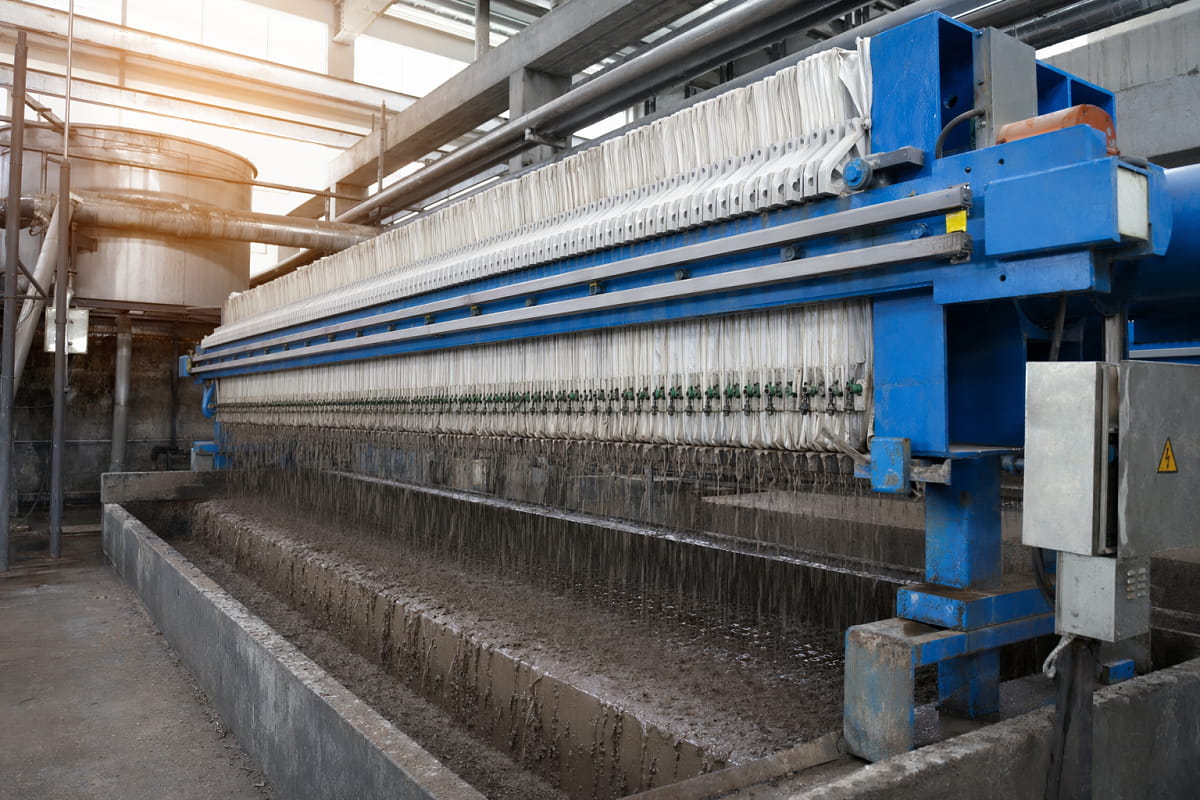
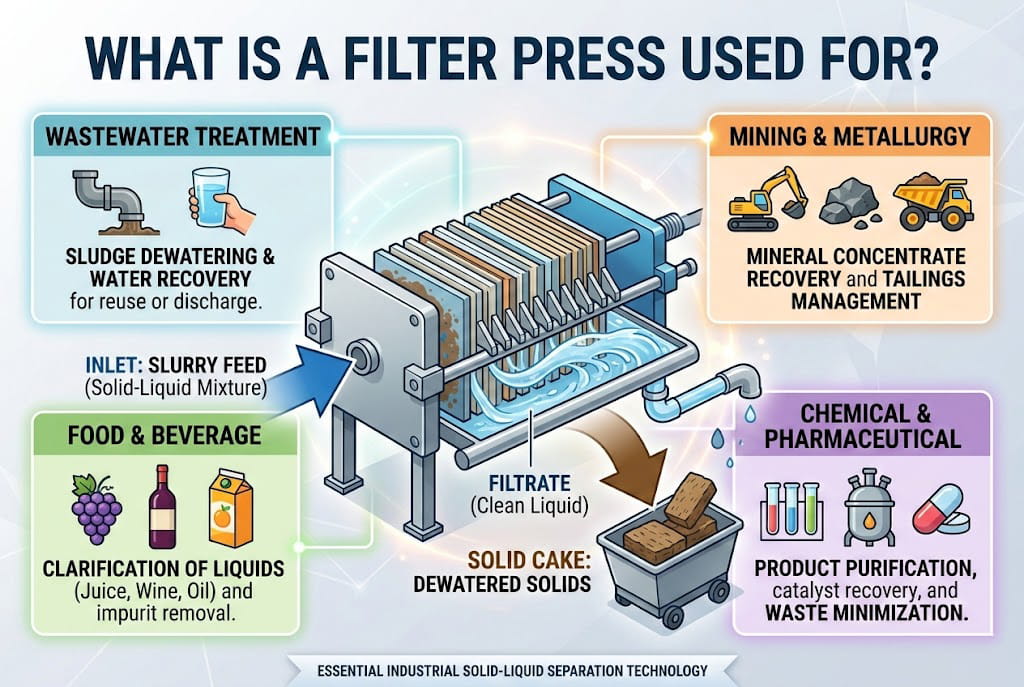
A filter press is used to separate liquids from solids in industrial applications through pressure filtration. It takes slurry (a mixture of liquid and solid particles) and produces two outputs: clean filtrate water and dry filter cake solids.
Here’s the deal:
Filter presses are workhorses in industries like wastewater treatment, mining, chemical processing, and food production.
Why?
Because they can achieve up to 60% solids concentration in the final cake. That’s way higher than most other dewatering methods.
How Does a Filter Press Actually Work?
Let me break down the process step-by-step:
Step 1: Slurry gets pumped into the filter press under pressure
Step 2: The liquid passes through filter cloths while solids get trapped
Step 3: Pressure builds up, compacting the solids into a “cake”
Step 4: Clean water (filtrate) exits through drainage channels
Step 5: The press opens and the solid cake falls out
Pretty straightforward, right?
The entire cycle typically takes 30 minutes to 4 hours, depending on your material and press size.
7 Main Applications of Filter Presses (With Real Examples)
1. Wastewater Treatment
This is the big one.
Municipal treatment plants use filter presses to dewater sewage sludge. Without them, disposal costs would be astronomical.
For example:
A typical wastewater plant processing 10 million gallons per day can reduce sludge volume by 75-80% using a filter press.
That’s huge.
2. Mining and Mineral Processing
Mining operations depend on filter presses for:
- Dewatering tailings
- Recovering valuable minerals
- Reducing environmental impact
In fact, the mining industry accounts for nearly 35% of all industrial filter press usage globally.
(And that number keeps growing.)
3. Chemical Manufacturing
Chemical plants use filter presses to:
- Separate reaction products
- Recover catalysts
- Clarify process liquids
One chemical manufacturer I worked with reduced their waste disposal costs by $2.3 million annually just by switching to a high-pressure filter press system.
4. Food and Beverage Processing
Here’s where it gets interesting:
Filter presses help produce:
- Clear fruit juices
- Refined cooking oils
- Wine and beer clarification
- Dairy product processing
The food industry loves them because they’re sanitary and produce consistent results.
5. Pharmaceutical Production
Drug manufacturers need ultra-pure separation.
Filter presses deliver by:
- Removing impurities from active ingredients
- Clarifying pharmaceutical solutions
- Processing biotechnology products
Pro tip: Pharmaceutical-grade filter presses often use specialized filter cloths and stainless steel construction.
6. Industrial Manufacturing
Manufacturing facilities use filter presses for:
- Aggregate washing water treatment
- Cement production waste handling
- Metal finishing wastewater treatment
The versatility is what makes them indispensable.
7. Power Generation
Power plants generate significant wastewater.
Filter presses handle:
- Fly ash dewatering
- Scrubber sludge treatment
- Cooling tower blowdown processing
Key Benefits/Advantages That Make Filter Presses Essential
Let’s talk about why industries keep choosing filter presses over other technologies:
1. Superior Dewatering Performance
Filter presses achieve the driest cake of any mechanical dewatering device. Period.
We’re talking 25-60% solids content versus 15-25% for belt presses.
2. Lower Operating Costs
Here’s the math:
Operating a filter press costs approximately 1/6 the price of running a belt press or centrifuge.
That adds up fast.
3. Versatility Across Materials
From fine clay particles to coarse aggregates, filter presses handle it all.
4. Environmental Compliance
Stricter regulations in 2026 mean you need reliable treatment.
Filter presses consistently meet discharge standards.
5. Water Recovery
The filtrate is often clean enough to reuse in your process.
That means less fresh water consumption and lower costs.
Types of Filter Presses (And Which One You Need)
Not all filter presses are created equal.
Here are the main types:
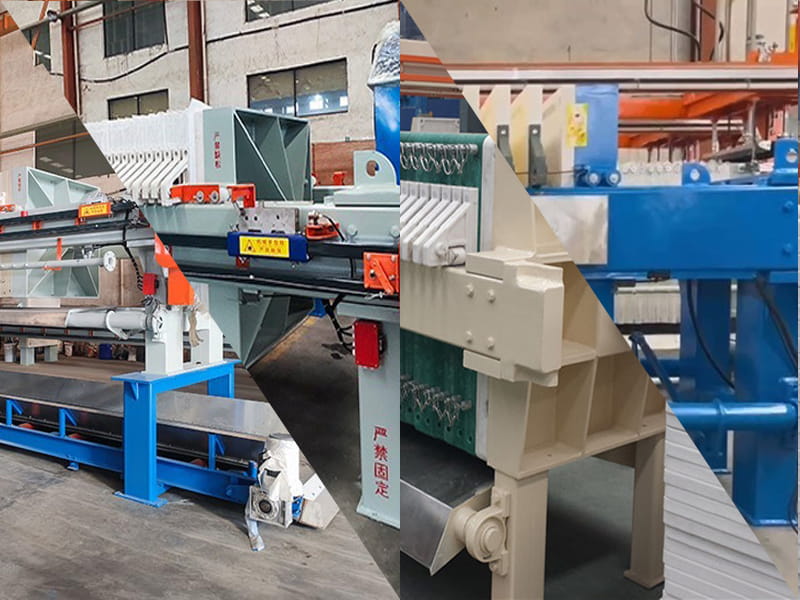
Recessed Chamber Filter Press
The workhorse of the industry.
Best for: General applications with moderate to high solids
Pros: Simple, reliable, cost-effective
Cons: Limited cake dryness compared to membrane presses
Membrane Filter Press
The premium option.
Uses flexible membranes to squeeze extra water from the cake.
Best for: Applications requiring maximum dryness
Pros: Driest cake possible (up to 30% drier than standard)
Cons: Higher initial investment
Plate and Frame Press
The classic design.
Best for: Small-scale operations or specialized applications
Pros: Easy to understand and maintain
Cons: More labor-intensive
Automatic Filter Press
The future is here.
Features robotic plate shifting and cake discharge.
Best for: High-volume, 24/7 operations
Pros: Minimal labor, consistent performance
Cons: Highest capital cost
Critical Design Factors to Consider
Choosing the right filter press isn’t guesswork.
You need to consider:
1. Slurry Characteristics
- Particle size distribution
- Solids concentration
- Chemical composition
- Temperature
2. Production Requirements
- Daily throughput needed
- Desired cake dryness
- Cycle time constraints
- Available floor space
3. Operational Factors
- Automation level required
- Maintenance capabilities
- Energy costs in your area
- Labor availability
Real-World Performance Metrics
Let me share some actual numbers from installations I’ve seen:
Municipal Wastewater Plant:
- Input: 3% solids sludge
- Output: 35% solids cake
- Volume reduction: 91%
- ROI: 14 months
Mining Operation:
- Input: Mineral tailings slurry
- Output: 75% solids cake
- Water recovery: 95%
- Operating cost: $2.50/dry ton
Chemical Plant:
- Cycle time: 45 minutes
- Cake thickness: 32mm
- Filtrate clarity: <10 ppm TSS
- Equipment uptime: 98.5%
Common Mistakes to Avoid
After seeing hundreds of installations, here are the pitfalls to dodge:
1. Undersizing Your Press
Going too small to save money always backfires.
You’ll run 24/7 and still fall behind.
2. Wrong Filter Cloth Selection
The cloth is crucial.
Wrong choice = poor cake release, cloth binding, or premature wear.
3. Ignoring Pretreatment
Sometimes adding flocculants or adjusting pH makes all the difference.
4. Skipping Maintenance
Filter presses are reliable, but they’re not magic.
Regular cloth cleaning and inspection prevents costly downtime.
The Economics of Filter Press Systems
Let’s talk money.
Initial Investment:
- Small manual press: $15,000-50,000
- Medium automatic: $100,000-500,000
- Large membrane system: $500,000-2,000,000
Operating Costs Include:
- Filter cloth replacement (every 6-24 months)
- Energy (typically $0.50-2.00 per cycle)
- Labor (1-4 hours per day for manual systems)
- Maintenance (2-5% of capital cost annually)
But here’s the thing:
The payback usually comes from disposal cost savings alone.
Making the Right Choice for Your Application
Bottom line?
Filter presses remain one of the most cost-effective dewatering solutions available.
But success depends on:
- Proper sizing and configuration
- Understanding your material characteristics
- Realistic performance expectations
- Commitment to maintenance
The technology has proven itself across thousands of installations worldwide.
Conclusion
So what is a filter press used for?
It’s used for efficiently separating liquids from solids across virtually every industry that handles slurry or wastewater.
From municipal treatment plants to mining operations, chemical processing to food production, filter presses deliver consistent, cost-effective dewatering performance.
The key is matching the right press type and configuration to your specific needs.
Get that right, and you’ll see why filter presses have been the go-to industrial separation technology for over a century – and why they’ll continue dominating the market well into 2026 and beyond.