Let’s face it: dealing with wet sludge is expensive. Really expensive.
If you’re in manufacturing, wastewater treatment, or mining, you already know that hauling around water-heavy waste burns through budgets faster than you can say “disposal costs.”
That’s where membrane filter presses come in. And they’re pretty much the superhero of dewatering technology.
How does a membrane filter press work? A membrane filter press uses inflatable diaphragms to squeeze extra water from filter cakes after initial filtration, achieving 50-90% solids content compared to 30-60% with standard presses. This two-stage process combines pressure filtration with mechanical compression for maximum dewatering efficiency.
But here’s the thing:
Understanding exactly how these machines work can save you serious money. We’re talking 30-50% reduction in disposal costs. Lower transportation fees. And way less headache dealing with wet, drippy sludge.
In this post, as a professional membrane filter press manufacturer, I will lead you dive into the nitty-gritty of membrane filter press operation.
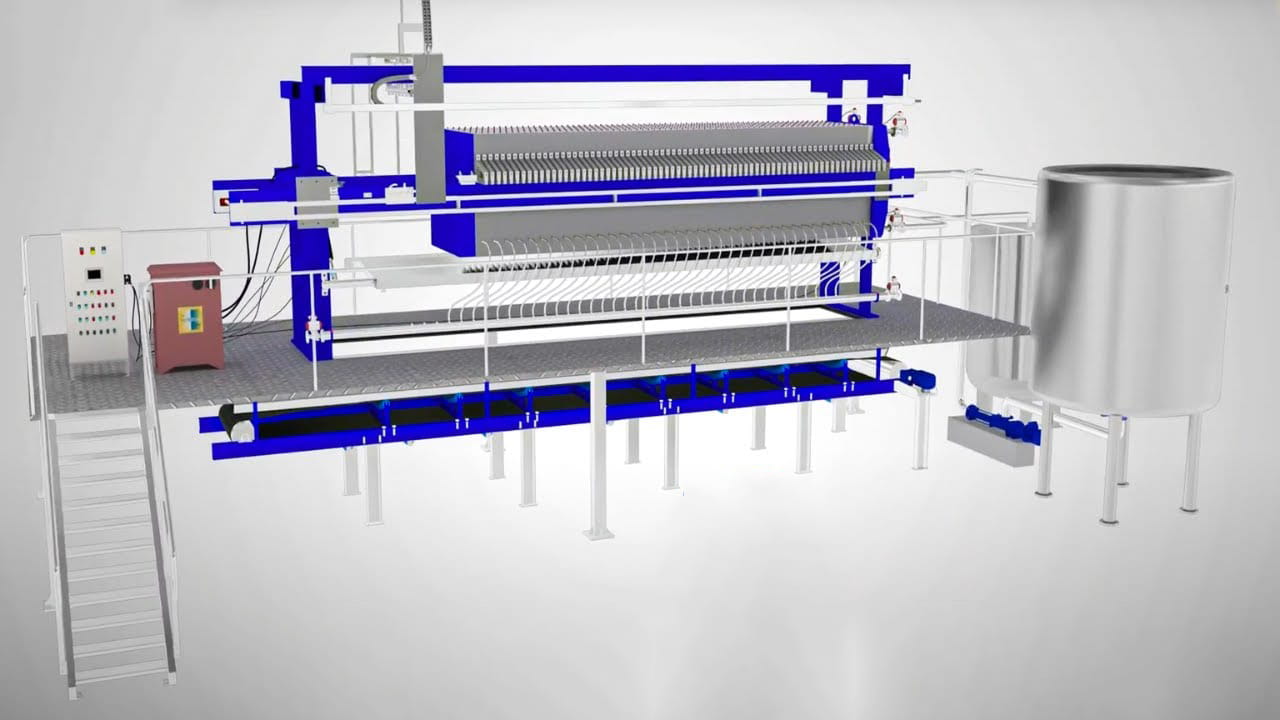
What Makes a Membrane Filter Press Different?
Think of a regular filter press as a strong handshake. It gets the job done.
A membrane filter press? That’s like following up with a bear hug.
Here’s the key difference:
Standard filter presses rely solely on pump pressure to dewater sludge. Once the chambers fill and resistance builds, that’s it. You’re done.
Membrane presses add a second squeeze phase. After the initial filtration, flexible membranes expand like balloons, physically compressing the filter cake to extract even more water.
The results speak for themselves:
- Standard press: 30-60% solids content
- Membrane press: 50-90% solids content
- Cycle time reduction: Up to 50% faster
I’ve seen operations cut their disposal costs in half just by switching to membrane technology. That’s not marketing fluff – that’s real-world performance.
How Does a Membrane Filter Press Work? Step-by-Step Process
Let me walk you through exactly how this technology works.
Step 1: The Fill Phase
First up, your slurry gets pumped into the press chambers.
This works just like a conventional filter press. High-pressure pumps (typically 100-225 PSI) force the sludge between the filter plates. The liquid passes through the filter cloths while solids start building up.
Pro tip: Most presses reach about 80% capacity after 2 hours. That’s your sweet spot for starting the membrane phase.
Step 2: The Squeeze (Where the Magic Happens)
This is where membrane technology shines.
Once the chambers are full, compressed air or water inflates the flexible membranes. These membranes – usually made from high-grade polypropylene or rubber – expand against the filter cake.
Think of it like this:
Your filter cake is a wet sponge. The membrane is your hand squeezing that sponge. Except instead of your grip strength, you’re using 100-150 PSI of pressure.
The mechanical compression forces out capillary moisture that pumping alone can’t touch. And because the membrane flexes, it applies uniform pressure across the entire cake surface.
Step 3: Optional Cake Wash
Need to recover specific chemicals? Or remove impurities from your solids?
Membrane presses excel at cake washing. The pre-compressed cake creates consistent flow channels, meaning you use less wash water for better results.
I’ve seen chemical plants recover 95% of valuable process chemicals this way. Try doing that with a standard press.
Step 4: Core Blow
Before opening the press, compressed air blows through the system.
This clears residual liquid from the pipes and gives your cake that final moisture reduction. It’s like the spin cycle on your washing machine – every bit helps.
Step 5: Cake Discharge
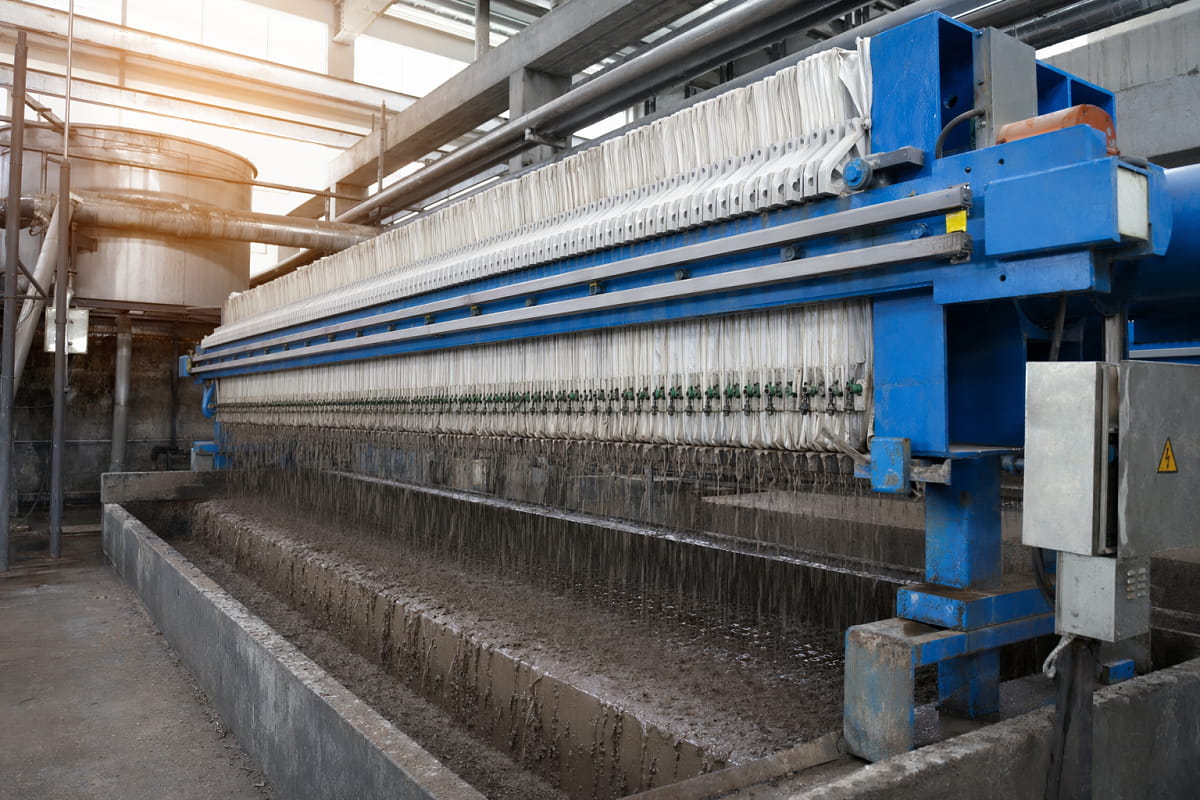
Finally, the hydraulic system retracts and the plates separate.
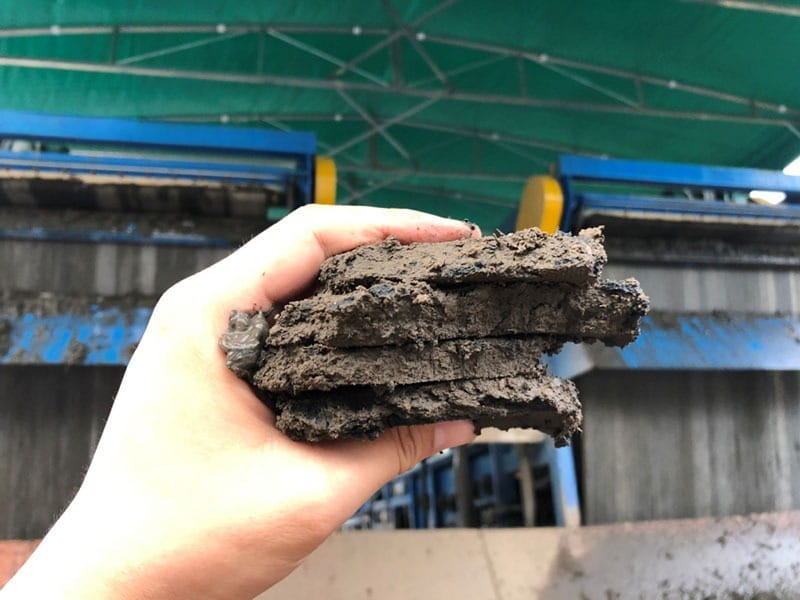
Here’s the beautiful part: membrane-squeezed cakes are firm and dense. They drop cleanly from the filter cloths. No scraping. No mess. Just clean, efficient discharge.
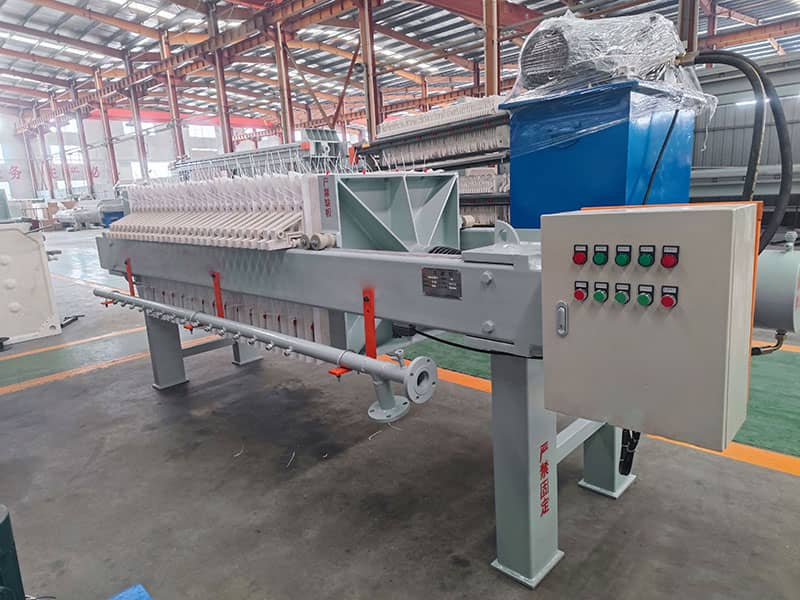
Critical Components of a Membrane Press System
Understanding the hardware helps you maximize performance.
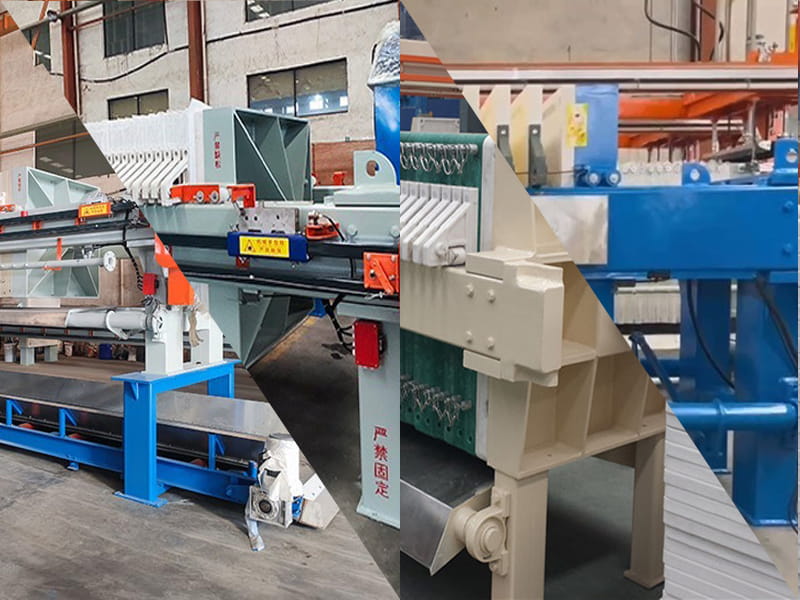
Membrane Plates
You’ve got two main options:
Welded PP Membranes
- More expensive upfront
- Entire plate needs replacement if damaged
- Better chemical resistance
Removable Rubber Diaphragms
- Cost-effective
- Quick diaphragm replacement (not the whole plate)
- Easier maintenance
Most operations go with removable diaphragms. They’re practical and save money long-term.
Inflation System
Water inflation beats air inflation every time.
Why? Safety.
If an air-inflated membrane ruptures, you risk plastic shrapnel. Water-inflated membranes? Worst case, you get a leak.
The setup includes:
- Dedicated water tank
- High-pressure pump
- Manifold piping (stainless, PVC, or steel)
- Flexible connection tubing
Plate Configuration
Modern membrane presses use mixed-pack configurations.
Instead of all membrane plates (crazy expensive), you alternate membrane and solid recessed plates. Each chamber gets one membrane side for squeezing. Same results, half the cost.
Real-World Performance Metrics
Let’s talk numbers that matter.
I analyzed data from dozens of installations across different industries. Here’s what membrane technology delivers:
Mining Operations
- Cake moisture: 18-25% (down from 35-40%)
- Cycle time: 2.5 hours (vs 4 hours standard)
- ROI period: 8-14 months
Municipal Wastewater
- Biosolids concentration: 25-35% solids
- Disposal cost reduction: 40-55%
- Polymer usage: 20% reduction
Chemical Processing
- Product recovery: Up to 95%
- Batch turnaround: 50% faster
- Filtrate quality: <10 ppm suspended solids
When Membrane Technology Makes Sense
Not every operation needs a membrane press. Here’s when they’re worth the investment:
You Should Consider Membrane Presses When:
Transportation costs are killing you. Every percentage point of moisture reduction saves money. If you’re hauling sludge long distances, membrane technology pays for itself fast.
Cycle time matters. Breweries, for example, need quick turnaround for multiple daily batches. Membrane presses can double your throughput.
Product recovery is critical. Mining operations recovering precious metals. Chemical plants reclaiming expensive reagents. The superior washing capabilities alone justify the upgrade.
Disposal regulations are tight. Many regions charge by weight for landfill disposal. Drier cakes = lower fees.
Skip Membrane Technology If:
Your current moisture content is acceptable and disposal is cheap. No point fixing what isn’t broken.
You’re dealing with easy-to-dewater materials. Some sludges dewater fine with standard presses.
Budget constraints are severe. Membrane systems cost 30-50% more upfront.
Optimizing Your Membrane Press Operation
Getting the most from your membrane press isn’t rocket science. But these tips help:
1. Time your squeeze phase right
Start membrane inflation when pumping slows significantly (usually around 80% full). Too early wastes energy. Too late misses the sweet spot.
2. Monitor membrane pressure
Typical squeeze pressure: 100-150 PSI. Higher isn’t always better – excessive pressure can damage cloths and membranes.
3. Maintain consistent feed quality
Varying solids content wreaks havoc on cycle times. Pre-thickening or equalization tanks help maintain consistency.
4. Choose the right filter cloth
Cloth selection impacts everything:
- Cake release
- Filtrate clarity
- Cloth life
- Washing efficiency
Work with your supplier to match cloth specifications to your exact application.
Common Troubleshooting Issues
Even the best systems hit snags. Here’s how to handle common problems:
Premature membrane wear
- Check squeeze pressure (might be too high)
- Verify proper cloth selection
- Ensure even cake distribution
Poor cake release
- Review cloth blinding issues
- Adjust core blow duration
- Consider cloth treatment options
Extended cycle times
- Analyze feed consistency
- Check pump performance
- Evaluate chemical conditioning program
The Bottom Line on Membrane Filter Press Technology
Here’s what it comes down to:
Membrane filter presses aren’t just fancy equipment. They’re profit generators.
By squeezing out that extra moisture, you’re looking at:
- 30-50% reduction in disposal costs
- 50% faster cycle times
- Cleaner, more consistent operation
- Better product recovery rates
The technology has proven itself across industries. From breweries maximizing wort recovery to mines reducing tailings moisture, the results speak volumes.
Is the upfront investment higher? Absolutely.
But when you’re cutting disposal costs in half and doubling throughput, that ROI comes quick. Usually within 8-18 months depending on your operation.
The key is matching the technology to your specific needs. Not every application requires membrane technology. But when you need maximum dewatering performance, nothing else comes close.
Understanding how a membrane filter press works puts you in the driver’s seat for making informed equipment decisions. Whether you’re upgrading existing equipment or designing a new system, this technology deserves serious consideration for any high-volume dewatering application.