- Key Takeaways
- Operating a filter press requires systematic pre-operation checks (plates, cloths, hydraulics, valves), gradual pressure increases from 25 to 100 PSI, and monitoring for clear filtrate flow.
- Common issues like wet cakes or leaking plates usually stem from insufficient pressure or worn cloths.
- Regular maintenance after each use, including immediate cleaning and weekly lubrication, extends equipment life from 5 to 20 years.
So you’ve got a filter press sitting there, and you need to figure out how to operate a filter press properly.
Maybe you’re new to this. Or maybe you’ve been winging it and want to make sure you’re doing things right.
Either way, I’ve got you covered.
In this guide, as a professional filter press machines manufacturer, I’ll walk you through exactly how to run a filter press from start to finish. Plus, I’ll share the tricks that took me years to figure out (so you don’t have to).
Sound good? Let’s dive in.
What Is a Filter Press (And Why Should You Care)?
First things first:
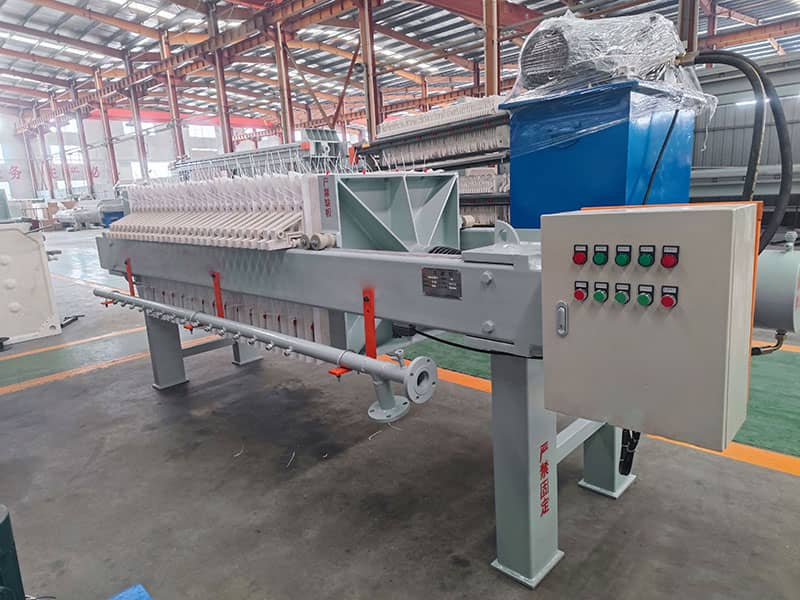
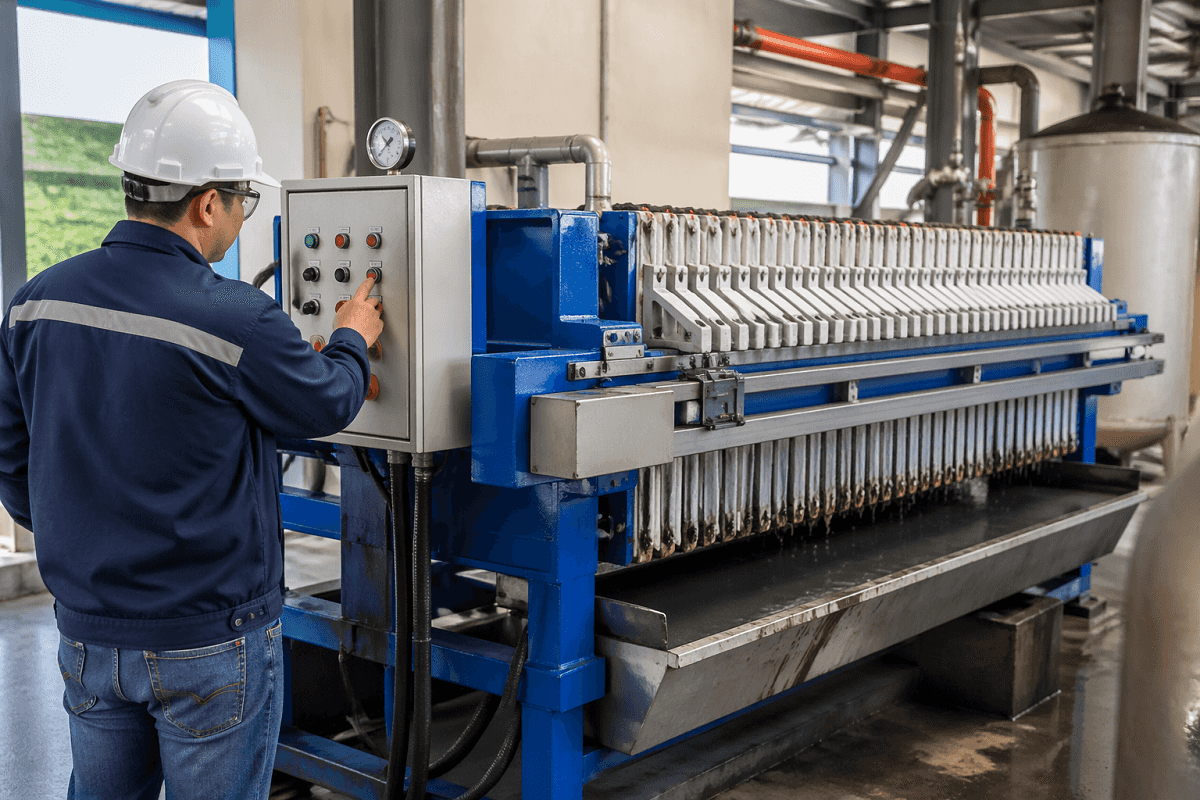
A filter press is basically a giant mechanical strainer. It separates solids from liquids using pressure and filter media.
Think of it like making coffee, but industrial-sized. And instead of coffee grounds, you’re dealing with slurry from mining operations, wastewater treatment, or chemical processing.
Here’s the deal:
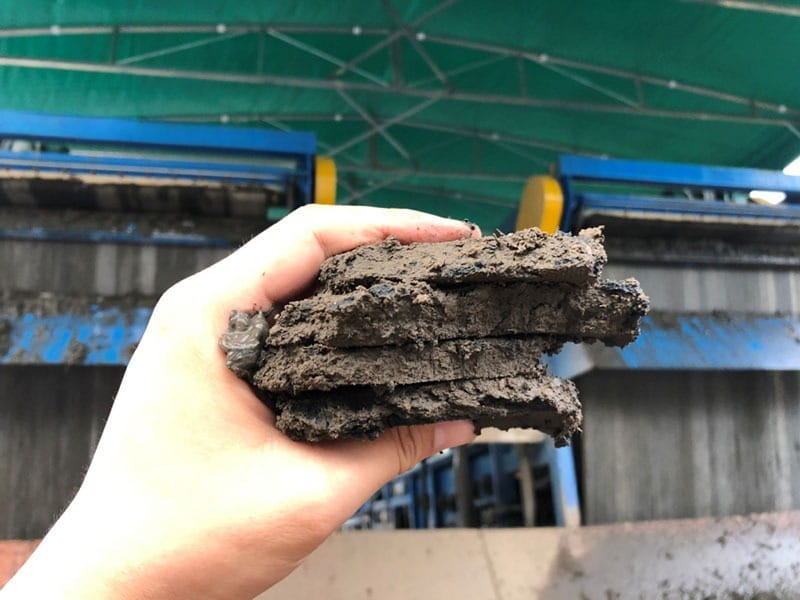
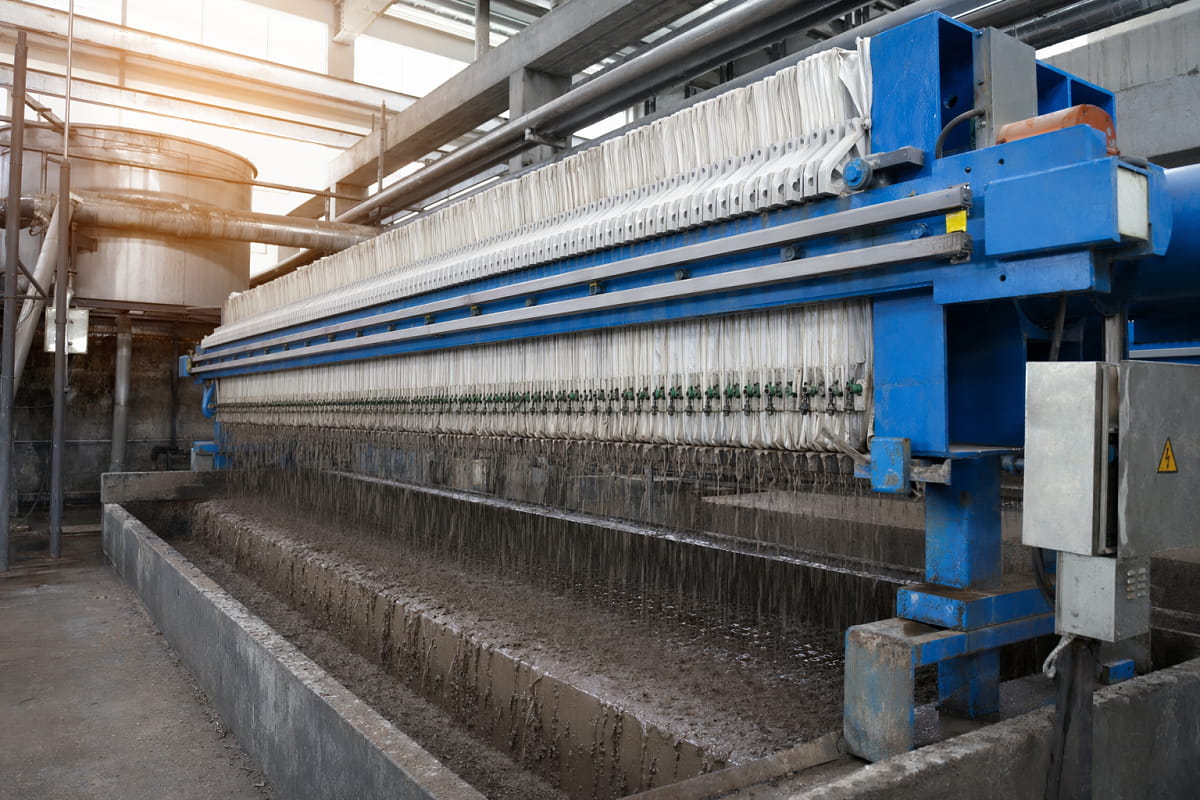
When you pump slurry into the press, it fills chambers formed between filter plates. The pressure forces liquid through filter cloths while solids stay behind, forming what we call a “filter cake.”
Pretty straightforward, right?
But here’s where it gets interesting…
Pre-Operation Checklist: Don’t Skip This Part
Before you even think about hitting that start button, you need to run through this checklist.
(Trust me, skipping this part is like trying to bake a cake without preheating the oven. It never ends well.)
1. Check Your Filter Plates
Count them. Seriously.
Make sure all plates are:
- Intact (no cracks or warping)
- Properly aligned on the guide rails
- Facing the right direction
I once saw a guy run a press with misaligned plates. The result? A $10,000 repair bill and two weeks of downtime.
2. Inspect Filter Cloths
Your filter cloths should be:
- Clean and free of tears
- Properly installed (no wrinkles)
- Seated tightly on the plate faces
Pro tip: Run your hand along each cloth. If you feel any damage or loose areas, replace it NOW. A torn cloth during operation means starting over from scratch.
3. Hydraulic System Check
Here’s what to look for:
- Oil level within safe range
- Clean oil (no cloudiness or bubbles)
- Stable pressure gauge readings
The hydraulic system is like the heart of your filter press. If it’s not healthy, nothing else matters.
4. Verify All Valves
This one’s crucial:
Open and close each valve manually. They should move smoothly without resistance.
Check for:
- Leaks at joints
- Corrosion
- Proper positioning (feed valves open, drain valves closed)
How to Operate a Filter Press?
Now for the main event.
Here’s exactly how to run your filter press:
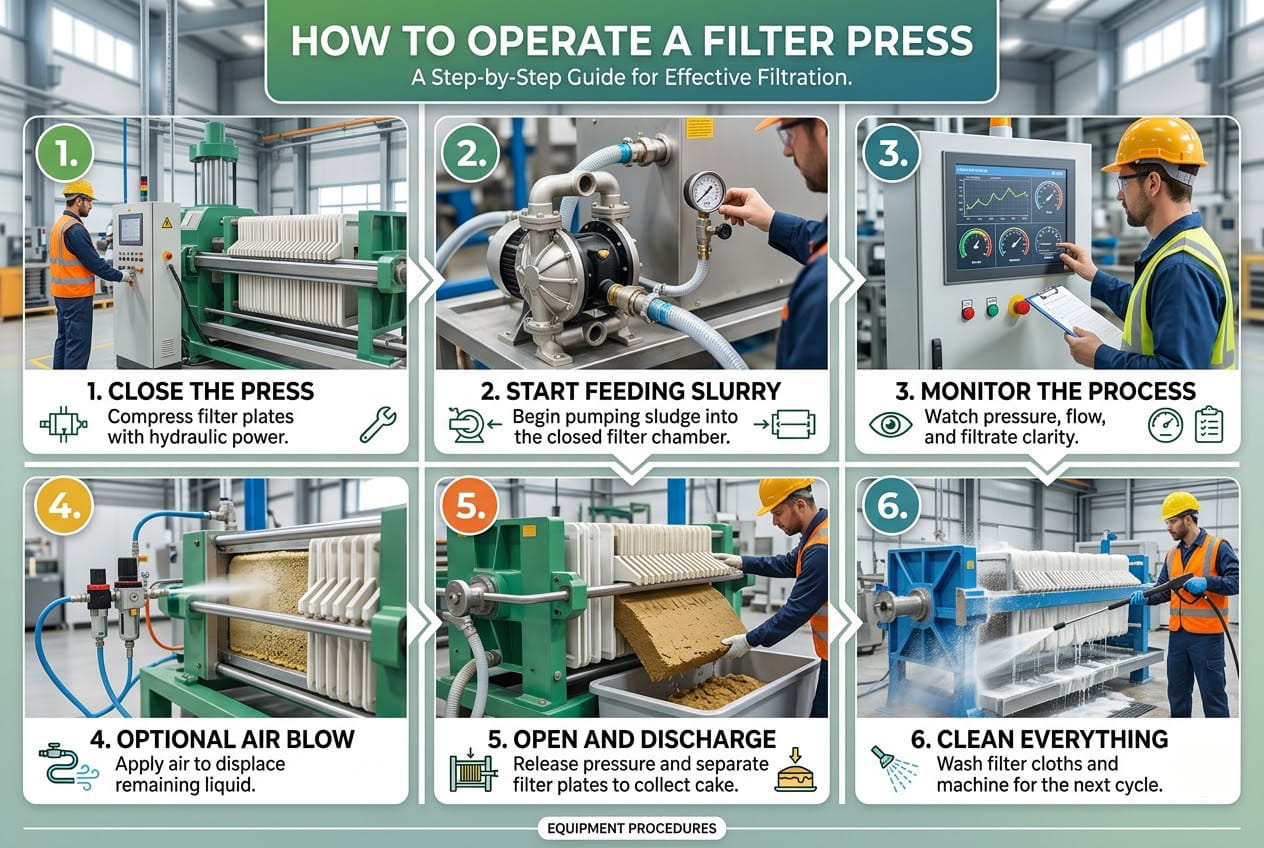
Step 1: Close the Press
Hit the hydraulic close button (usually labeled “CLOSE” or has arrows pointing together).
The plates will start moving together. Let them close completely until you reach the recommended pressure.
What’s the right pressure?
Most presses operate between 80-150 bar. But check your manual – going over can damage plates.
Step 2: Start Feeding Slurry
Turn on your feed pump at LOW pressure (around 25 PSI).
Here’s the key:
Start slow, then gradually increase pressure. I typically go 25 → 50 → 75 → 100 PSI over 10-15 minutes.
Why the gradual increase?
Because slamming slurry at full pressure is like trying to fill a balloon with a fire hose. Something’s going to break.
Step 3: Monitor the Process
Watch for these signs:
Good signs:
- Clear filtrate flowing steadily
- Pressure building gradually
- No leaks between plates
Bad signs:
- Cloudy filtrate (means torn cloths)
- Pressure not building (possible leak)
- Slurry leaking from plates
The filtration cycle typically takes 30 minutes to 4 hours. When your feed pump slows to 30-60 second intervals between strokes, you’re done.
Step 4: Optional Air Blow
Want drier cakes? Here’s a trick:
Close all outlet valves and open the air valve. Compressed air pushes out excess moisture.
Run for 5-10 minutes. Your cakes will be 10-15% drier.
Step 5: Open and Discharge
Hit the “OPEN” button to release hydraulic pressure.
The plates will separate, and cakes should fall out. If they stick, tap gently with a rubber mallet.
(Never use metal tools. I’ve seen operators crack $500 plates trying to pry cakes loose.)
Step 6: Clean Everything
This is where most people mess up:
They skip cleaning.
But here’s the thing: Dried cake on your cloths is like concrete. It’ll ruin your next cycle.
Rinse plates and cloths with water immediately. Takes 5 minutes now, saves hours later.
Common Problems (And How to Fix Them)
Let me share the issues I see most often:
Problem 1: Wet, Sloppy Cakes
Solution: Increase press time or hydraulic pressure (within limits). Also check if your slurry needs flocculant to help solids clump.
Problem 2: Leaking Between Plates
Solution: Usually means insufficient closing pressure. Re-close at higher pressure. If it persists, check for warped plates.
Problem 3: Pump Can’t Push Slurry
Solution: Your slurry’s too thick. Add water to thin it out, or check if the feed valve is fully open.
Problem 4: Cloudy Filtrate
Solution: 90% of the time, this means worn filter cloths. Replace them. The other 10%? Wrong cloth material for your slurry type.
Advanced Tips for Better Results
After running hundreds of cycles, here’s what separates the pros from the rookies:
Match Your Cloth to Your Material
Not all filter cloths are equal:
- Polyester: Great for acidic slurries
- Polypropylene: Better for alkaline materials
- Cotton: Budget option, but shorter lifespan
Using the wrong cloth is like wearing sandals in the snow. It technically works, but you’re making life harder.
Keep Detailed Logs
Track these metrics:
- Cycle time
- Pressure used
- Cake dryness
- Any issues
After a month, you’ll spot patterns. Like “Tuesday slurry always needs 5 extra minutes” or “Night shift produces wetter cakes.”
Master the Double-End Feed
For low-concentration slurries (under 10% solids), try feeding from both ends simultaneously.
Results? 40% faster fill times.
Just make sure both pumps match in flow and pressure. Mismatched pumps create uneven loading and bent frames.
Maintenance: The Secret to Long Equipment Life
Want your filter press to last 20 years instead of 5?
Here’s the maintenance schedule that works:
After Each Use:
- Rinse all surfaces
- Check for leaks
- Note any unusual wear
Weekly:
- Lubricate guide rails
- Inspect cloth condition
- Test safety systems
Monthly:
- Check hydraulic oil
- Clean filtrate pipes
- Verify pressure gauges
Quarterly:
- Replace worn cloths
- Deep clean all components
- Professional inspection
The bottom line? Spend 30 minutes on maintenance weekly, or spend 30 hours on repairs monthly.
Industry-Specific Considerations
Different industries have different requirements:
Mining Operations
Mining slurries are abrasive. Use reinforced cloths and expect more frequent replacements.
Pressure tip: Start at 100 bar minimum for effective dewatering.
Food Processing
Sanitation is critical. Use FDA-approved cloths and sanitize between batches.
Consider automated cloth washing systems to maintain hygiene standards.
Chemical Processing
Chemical resistance matters more than durability. PTFE-coated cloths handle most aggressive chemicals.
Always verify material compatibility before running new chemicals.
Wastewater Treatment
Focus on cake dryness for disposal costs. Every 1% moisture reduction can save thousands in hauling fees.
Air blow systems are especially valuable here.
Safety First (Seriously)
I can’t stress this enough:
Filter presses operate at high pressures. Respect the equipment.
Essential safety rules:
- Never put hands between closing plates
- Always verify zero pressure before opening
- Wear safety glasses (filtrate can spray)
- Use proper lockout/tagout procedures
I’ve seen a plate explode from overpressure. The operator was lucky to walk away with just bruises.
Troubleshooting Like a Pro
When things go wrong (and they will), here’s your diagnostic checklist:
Symptom: Slow filtration
Check: Cloth blinding, feed concentration, particle size
Symptom: Poor cake release
Check: Cloth type, cake thickness, release agent application
Symptom: Uneven cake thickness
Check: Feed distribution, plate alignment, pump pulsation
Symptom: Excessive cloth wear
Check: Feed pH, temperature, abrasive content
Final Thoughts
Operating a filter press isn’t rocket science.
But the difference between good operators and great ones? Attention to detail.
The operators who check their equipment, maintain proper procedures, and actually clean after each use? They’re the ones getting 50% more throughput with half the downtime.
Start with the basics I’ve outlined here. Master them. Then experiment with advanced techniques like segmented feeding or pressure profiling.
Remember: Every slurry is different. What works for your buddy’s operation might not work for yours.
Keep detailed records, stay curious, and don’t be afraid to try new approaches.
Because at the end of the day, knowing how to operate a filter press properly isn’t just about following steps – it’s about understanding your specific process and optimizing for your unique situation.