- Key Takeaways
- Filter press cake is too wet due to insufficient pressure (below 6-15 bar depending on sludge type), clogged or worn filter cloths, improper cycle times, or poor sludge conditioning. Most wet cake problems stem from these fixable issues rather than equipment limitations.
- Solutions include optimizing pressure, replacing cloths every 6-24 months, extending cycle times to 60-180 minutes, and proper polymer dosing at 2-10 kg per ton of dry solids.
- With systematic troubleshooting, cake moisture can be reduced from 75-80% down to the target 60-70%.
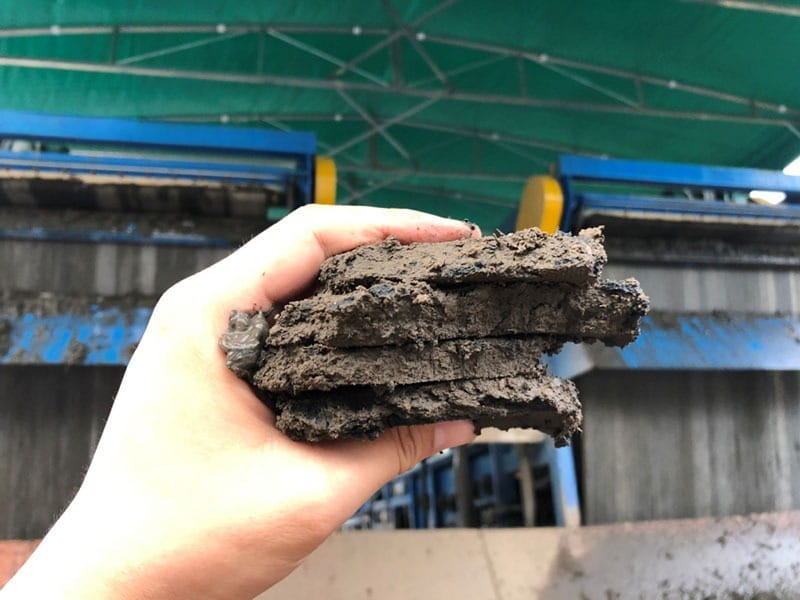
Ever opened up your filter press expecting nice, dry cakes… only to find soggy, dripping messes that look more like wet cement than proper filter cake?
Yeah, I’ve been there.
Here’s the deal: Why filter press cake is too wet usually comes down to a handful of fixable issues. And once you know what to look for, you can get your cakes from swamp-like to properly dewatered in no time.
In this guide, as a professional filter press manufacturer, let me walk you through exactly what causes wet filter cakes and how to fix them.
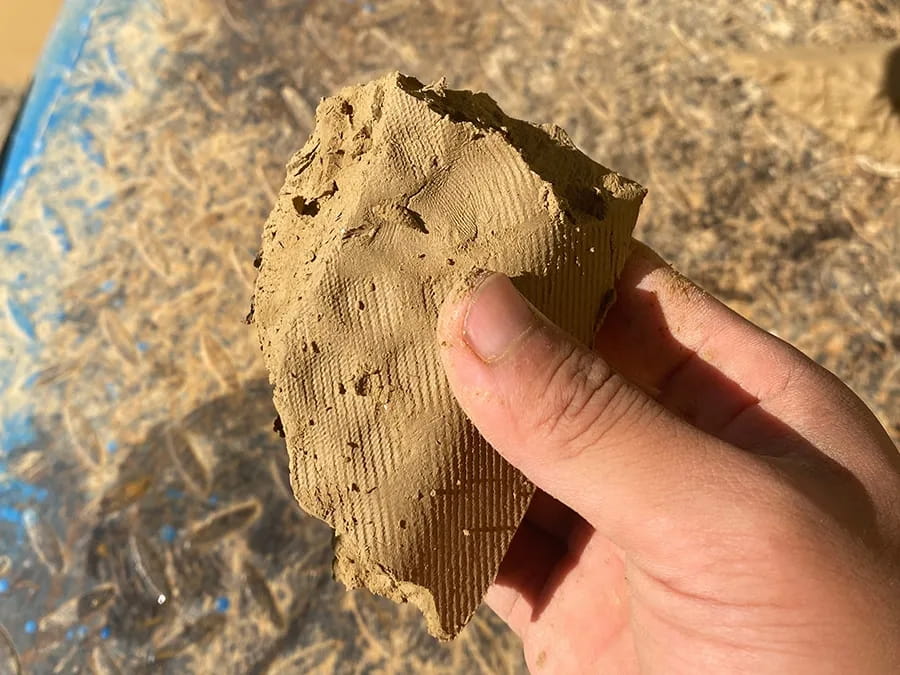
The Quick Answer: Why Your Filter Press Cake Is Too Wet
Before we dive deep, here’s the short version:
Your filter press cake is too wet because of insufficient pressure, clogged filter cloths, improper cycle times, or poor sludge conditioning. Sometimes it’s a combination of these factors.
But here’s the thing:
Each of these problems has specific symptoms. And once you can identify which one (or ones) you’re dealing with, the fix becomes straightforward.
Understanding What “Too Wet” Actually Means
First, let’s get clear on what we’re talking about.
A properly dewatered filter cake should have a moisture content between 60-70% for most applications. That translates to about 30-40% dry solids.
(Some specialized applications can achieve even lower moisture levels.)
When your cake moisture creeps above 75-80%, you’ve got a problem. The cake becomes:
- Difficult to handle
- Expensive to transport
- Prone to sticking to the cloths
- Nearly impossible to discharge cleanly
Not exactly ideal.
The 7 Main Causes for Wet Filter Cakes
Let me break down the most common reasons your filter press is producing wet cakes:
1. Insufficient Feed Pressure
This is the #1 reason I see for wet cakes.
Your filter press needs adequate pressure to squeeze water through the filter media. Think of it like wringing out a wet towel – without enough force, water stays trapped inside.
The numbers that matter:
- Biological sludge: 6-8 bar minimum
- Industrial sludge: 8-10 bar
- Mining applications: Up to 15 bar
If you’re running below these pressures, you’re basically guaranteeing wet cakes.
Quick test: Check your pressure gauge during the final stage of filtration. If it’s not reaching your target pressure, there’s your problem.
2. Filter Cloth Issues (The Silent Killer)
Here’s something most people don’t realize:
Your filter cloths are probably the most critical component for achieving dry cakes. And they’re usually the most neglected.
Common cloth problems:
- Blinding (clogging): Fine particles block the pores
- Wrong material: Using polypropylene when you need polyamide
- Worn out cloths: After 6-24 months, they lose effectiveness
- Incorrect permeability: Too tight = slow filtration, too open = solids pass through
I’ve seen plants struggle for months with wet cakes, only to discover their cloths were completely blinded. A simple cleaning or replacement fixed everything.
3. Poor Sludge Conditioning
This one’s huge for biological sludge applications.
If your flocculation isn’t dialed in, you’ll never achieve proper dewatering. Period.
Signs of poor conditioning:
- Sludge looks “soupy” instead of forming discrete flocs
- Filtrate is cloudy instead of clear
- Polymer dosage is way off (either too high or too low)
The sweet spot for polymer dosing is typically 2-10 kg per ton of dry solids. But here’s the kicker: every sludge is different.
4. Inadequate Cycle Time
Sometimes operators get impatient.
They see the initial flow rate drop off and think, “Good enough, let’s dump these cakes.”
Big mistake.
The dewatering curve for filter presses isn’t linear. Most of your moisture removal happens in the final 20-30% of your cycle time.
Typical cycle times:
- Small municipal plants: 60-90 minutes
- Industrial applications: 90-120 minutes
- Difficult sludges: Up to 180 minutes
Cutting these times short guarantees wet cakes.
5. Uneven Cake Formation
Ever notice how some plates produce beautiful dry cakes while others are sopping wet?
That’s uneven distribution at work.
Common causes:
- Damaged feed ports
- Misaligned plates
- Uneven cloth tension
- Variable sludge consistency
The result? Some chambers fill completely while others barely get any sludge. The overfilled chambers can’t dewater properly.
6. Equipment Mechanical Issues
Sometimes it’s not about the process – it’s about the hardware.
Watch out for:
- Worn hydraulic seals (can’t maintain pressure)
- Damaged plate surfaces
- Faulty pressure relief valves
- Pump problems (especially with diaphragm pumps)
These mechanical issues often develop slowly. You might not notice until your cake quality has seriously degraded.
7. Feed Material Characteristics
Let’s be honest:
Some sludges are just harder to dewater than others.
Difficult materials include:
- High organic content sludge (holds water like a sponge)
- Fine particle suspensions
- Oily or greasy waste
- Variable concentration feeds (especially below 2% solids)
If you’re dealing with these materials, you might need to adjust your entire approach.
How to Diagnose Your Specific Problem
Here’s my systematic approach to figuring out why your cakes are too wet:
Step 1: Check Your Pressure
Hook up a chart recorder to your feed pressure line. You want to see:
- Steady pressure rise during filling
- Maintained maximum pressure during final squeeze
- No sudden drops (indicates leaks)
Step 2: Inspect Your Filter Cloths
Pull a few plates and really look at those cloths:
- Can you see light through them? (If not, they’re blinded)
- Are there tears or thin spots?
- Is cake sticking excessively?
Step 3: Analyze Your Filtrate
Clear filtrate = good separation. Cloudy filtrate = problems.
Take samples throughout your cycle. If it starts clear then gets cloudy, you might have cloth damage.
Step 4: Time Your Cycles
Actually time each phase:
- Initial filling
- Pressure buildup
- Final squeeze
- Core blow (if applicable)
Compare to your design specs. Shorter times often mean something’s wrong.
Step 5: Test Your Sludge
Get that sludge tested:
- Solids concentration
- Particle size distribution
- Oil and grease content
- pH
This data tells you if the problem is your material or your equipment.
Proven Solutions to Get Drier Cakes
Now for the good stuff – how to actually fix these problems:
Solution 1: Optimize Your Pressure
Immediate fixes:
- Check and clean pressure relief valves
- Inspect pump performance
- Look for leaks in the hydraulic system
Long-term improvements:
- Upgrade to higher pressure equipment if needed
- Install variable frequency drives for better control
- Add pressure monitoring with alarms
Solution 2: Fix Your Filter Cloth Issues
For blinded cloths:
- Acid wash (citric or phosphoric) for mineral deposits
- Caustic wash for organic blinding
- High-pressure water cleaning between cycles
For worn cloths:
- Just replace them. Seriously.
- Consider upgrading to better materials
- Keep spares on hand
Pro tip: Switching from standard polypropylene to calendered polypropylene or polyamide can dramatically improve cake release and moisture content.
Solution 3: Dial In Your Chemistry
Polymer optimization:
- Jar test different polymers
- Test various dosage rates
- Check mixing energy (too much breaks flocs)
- Verify injection points
Sometimes adding coagulants before polymer improves results significantly.
Solution 4: Extend Your Cycle Times
This one’s easy but requires patience.
Add 15-30 minutes to your current cycle and measure the results. You might be surprised how much drier your cakes get.
Solution 5: Implement Advanced Dewatering
Membrane squeeze plates:
- Can reduce moisture by 3-8%
- Work great for compressible sludges
- Require 16 bar squeeze pressure
Air blow systems:
- Force compressed air through formed cakes
- Removes capillary water
- Adds 1-3% dryness improvement
Solution 6: Pre-treatment Options
Sometimes the best solution happens before the filter press:
Sludge thickening:
- Gravity thickeners
- Dissolved air flotation
- Rotary drums
Getting your feed above 3% solids makes everything easier.
Real-World Results You Can Expect
Let me share what’s actually achievable:
Municipal biological sludge:
- Before optimization: 18-22% solids
- After optimization: 28-35% solids
Industrial sludge:
- Before: 25-30% solids
- After: 35-45% solids
With membrane plates + air blow:
- Additional 5-10% improvement possible
These aren’t pie-in-the-sky numbers. I see these results regularly.
Monitoring Systems That Prevent Wet Cakes
Want to avoid these problems entirely?
Set up proper monitoring:
- Pressure transmitters with data logging
- Flow meters on filtrate lines
- Cycle timers with automatic controls
- Regular cloth permeability testing
- Scheduled maintenance programs
The best operators catch problems before they affect cake quality.
When to Call in the Experts
Look, sometimes you need outside help.
Call a specialist when:
- Multiple solutions haven’t worked
- Equipment is over 10 years old
- You’re considering major upgrades
- Regulations are getting stricter
A good consultant can often identify issues in hours that might take you months to figure out.
Cost Considerations
Let’s talk money.
Wet cakes cost you in several ways:
- Higher disposal costs (paying to haul water)
- More frequent cloth replacement
- Lost production time
- Potential regulatory fines
Example calculation:
If you’re producing 10 tons/day at 20% solids instead of 30%, you’re handling 50% more material. At $50/ton disposal, that’s $1,825,000 extra per year.
Suddenly, that equipment upgrade looks pretty affordable.
The Bottom Line
Why filter press cake is too wet usually boils down to a combination of factors – pressure problems, cloth issues, chemistry challenges, or equipment limitations.
The good news?
Every one of these problems has a solution. Start with the easy fixes (pressure checks, cycle time adjustments) before moving to bigger investments (new cloths, membrane plates).
Most importantly, don’t accept wet cakes as “just how it is.” I’ve seen too many plants transform their operations by systematically addressing these issues.
Your filter press can produce consistently dry cakes. You just need to give it the right conditions to do its job.
Remember: proper dewatering isn’t just about saving money (though it definitely does that). It’s about running an efficient, compliant operation that you can be proud of.
Now get out there and dry up those cakes.