- Quick Summary
- Cast iron filter presses are heavy-duty filtration machines that handle extreme temperatures (up to 200°C) and high pressure where plastic alternatives would fail. They’re ideal for oil processing, chemical industries, and wastewater treatment, with a 10-15 year lifespan despite higher initial costs ($15,000-$200,000+).
- Choose cast iron when operating temperatures exceed 80°C, materials are abrasive, or long-term reliability is crucial, but look elsewhere for highly corrosive chemicals or budget-limited operations.
Ever wonder how industries separate liquids from solids when dealing with super hot materials? Or high-pressure situations that would destroy regular equipment?
That’s where cast iron filter presses come in. In this post, as a professional cast iron filter press manufacturer, I will share everything you should know about it.
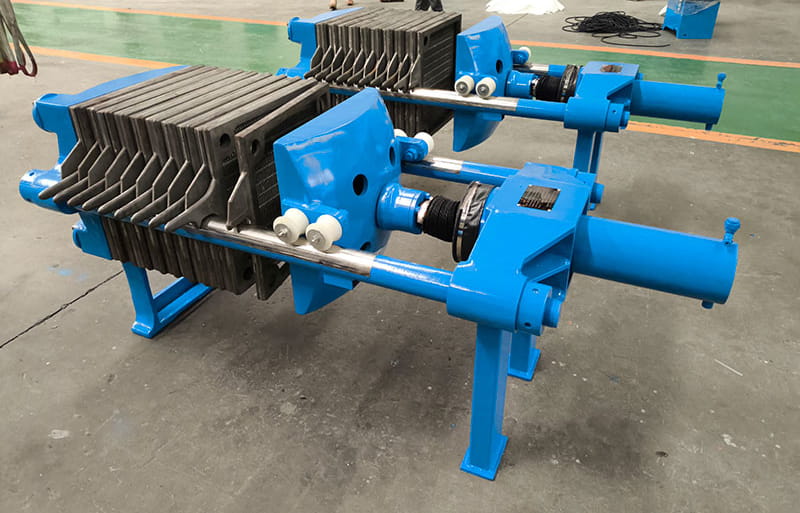
What is Cast Iron Filter Press
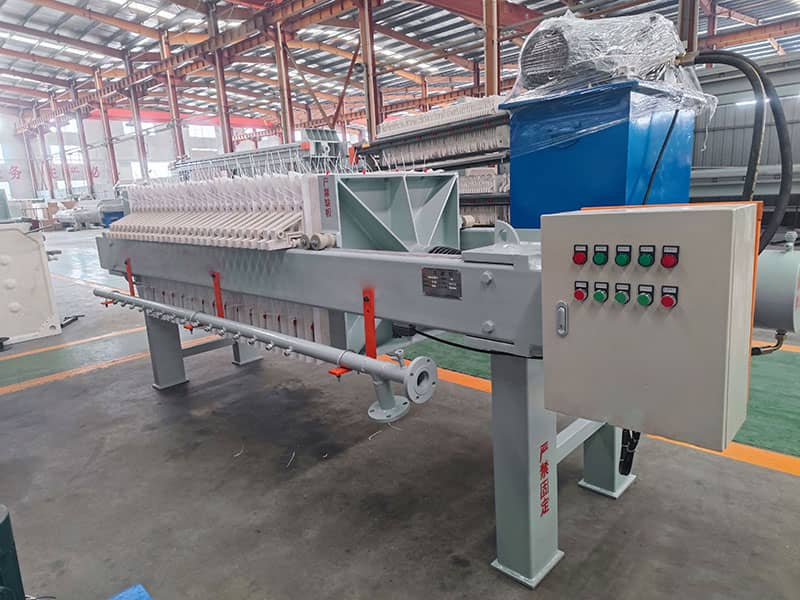
A cast iron filter press is basically a heavy-duty filtration machine built with cast iron plates that can handle extreme temperatures (up to 200°C) and intense pressure. Think of it as the industrial workhorse of solid-liquid separation – especially when plastic alternatives would melt or crack under pressure.
Here’s what makes these machines special:
They’re built like tanks. We’re talking about equipment that lasts 10+ years in harsh industrial environments. And they keep working when other filter presses would have given up long ago.
How Cast Iron Filter Presses Actually Work
The basic principle is simple:
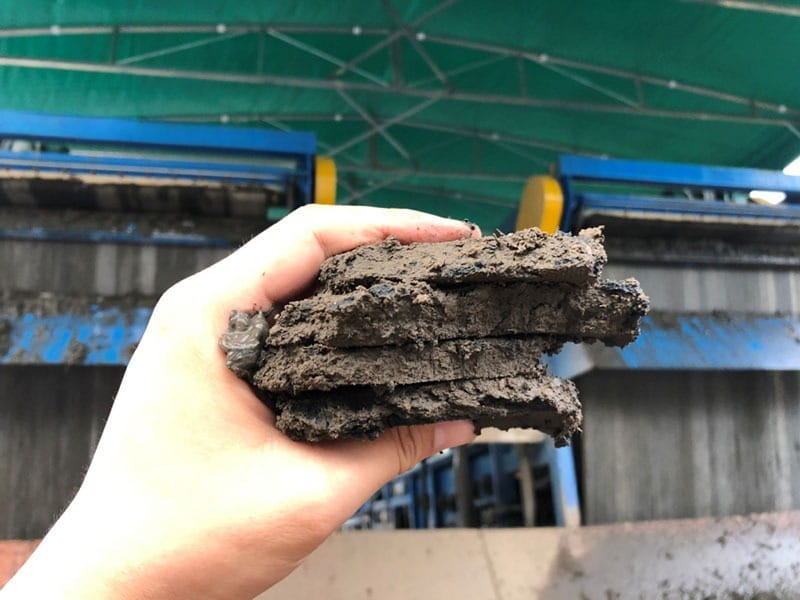
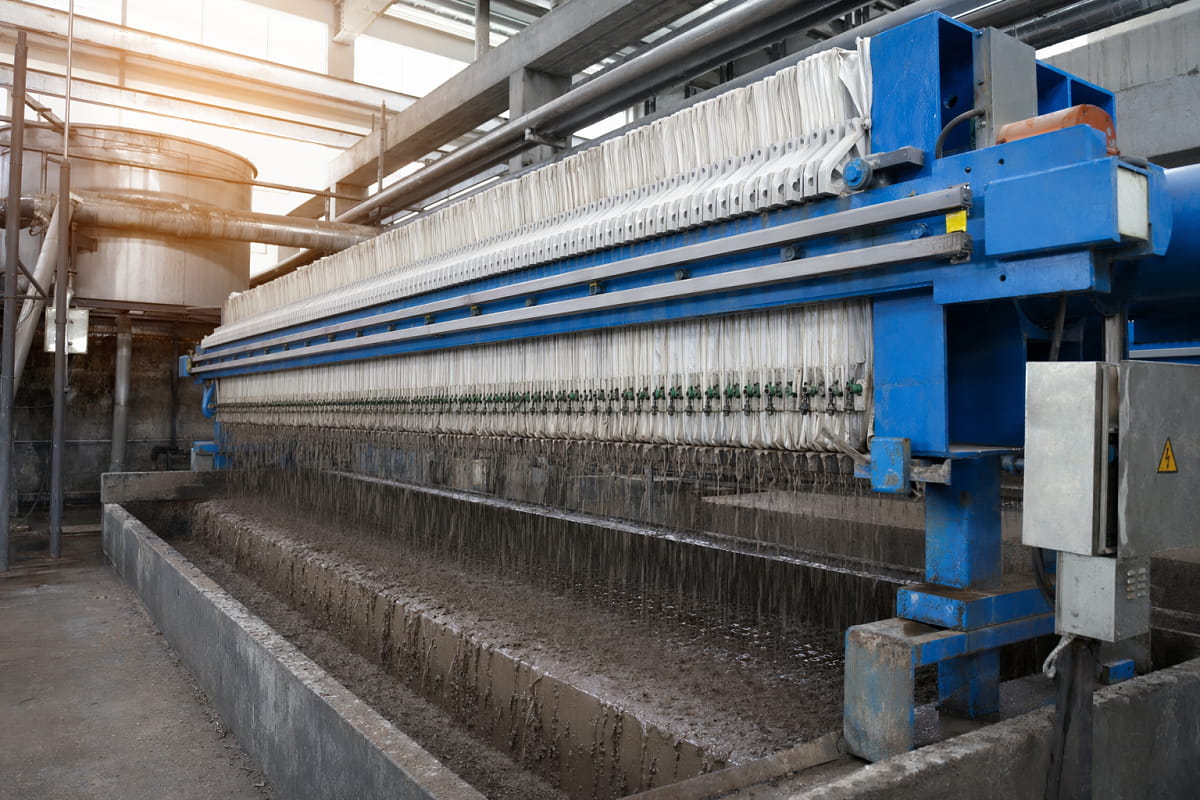
Slurry goes in. Clean liquid comes out. Solid cake stays behind.
But let me break down what actually happens inside:
- Compression Phase: Multiple cast iron plates squeeze together using hydraulic pressure
- Feeding Phase: High-pressure pumps push your slurry into chambers between the plates
- Filtration Phase: Liquids pass through filter cloth while solids get trapped
- Discharge Phase: Plates separate and solid cakes fall out
The whole process is surprisingly elegant for such a robust machine.
(And yes, it’s way more effective than traditional settling tanks or centrifuges for many applications.)
Cast Iron vs. Other Filter Press Materials
You might be wondering: “Why cast iron specifically?”
Great question. Here’s the breakdown:
Polypropylene Filter Presses:
- Good for temperatures up to 80°C
- Chemical resistant
- Lighter weight
- Lower cost initially
Stainless Steel Filter Presses:
- Excellent corrosion resistance
- Good for food/pharma applications
- More expensive than cast iron
Cast Iron Filter Presses:
- Handle temperatures up to 200°C
- Superior mechanical strength
- Best pressure resistance (up to 0.6 MPa)
- Longest lifespan in harsh conditions
The bottom line? When you’re dealing with hot materials or need serious durability, cast iron wins every time.
Key Components of a Cast Iron Filter Press
Let’s look at what makes these machines tick:
1. Cast Iron Filter Plates
The heart of the system. These plates are precision-cast from high-grade cast iron or ductile iron. Each plate features:
- Drainage channels for filtrate flow
- Reinforced edges for proper sealing
- Special coatings for enhanced durability
2. Hydraulic System
Modern cast iron filter presses use hydraulic power for:
- Plate compression
- Automatic plate shifting
- Consistent pressure maintenance
3. Frame Structure
Built from heavy-duty steel to support:
- The weight of cast iron plates
- Operating pressures
- Vibration during operation
4. Control System
Ranges from manual operation to fully automated PLC control with:
- Pressure monitoring
- Cycle timing
- Safety interlocks
Cast Iron Filter Press Applications
Here’s where cast iron filter presses really shine:
Oil and Fat Processing
I’ve seen these machines work wonders in:
- Edible oil refineries (peanut, soybean, sesame oils)
- Animal fat rendering plants
- Industrial lubricant purification
The high temperatures involved? No problem for cast iron.
Chemical Industry
Perfect for:
- Hot chemical slurries
- Catalyst recovery
- High-temperature polymer filtration
Metallurgical Processing
Used extensively in:
- Metal hydroxide dewatering
- Mining concentrate filtration
- Precious metal recovery
Wastewater Treatment
Especially effective for:
- Industrial sludge dewatering
- High-temperature waste streams
- Heavy metal precipitation
Operating Modes: Manual vs. Automatic
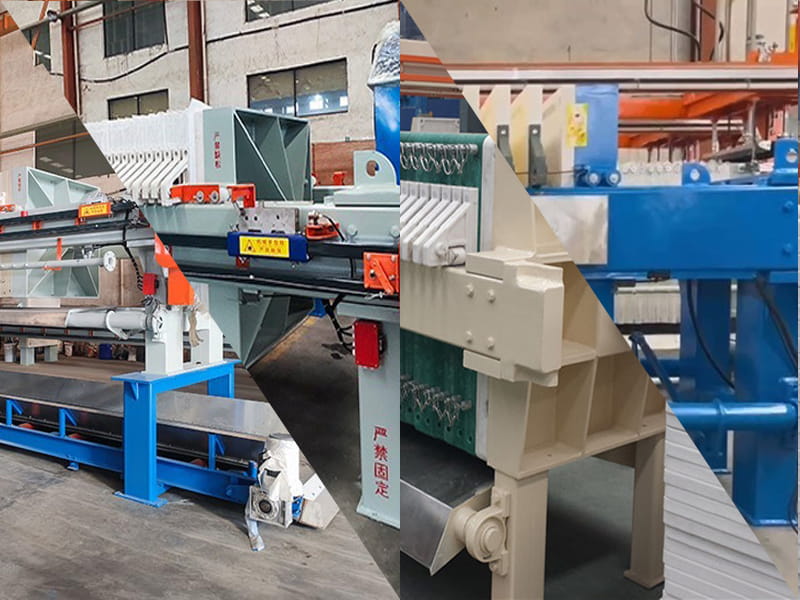
Cast iron filter presses come in different configurations:
Manual Operation:
- Lower initial investment
- Requires operator intervention
- Best for smaller operations
Semi-Automatic:
- Hydraulic plate closing
- Manual cake discharge
- Good middle ground
Fully Automatic:
- Complete cycle automation
- Minimal labor requirements
- Higher throughput
Pro Tip: For operations running multiple shifts, automatic systems typically pay for themselves within 12-18 months through labor savings alone.
Size and Capacity Options
Cast iron filter presses aren’t one-size-fits-all. Common configurations include:
Plate Sizes:
- 320 × 320mm (small scale)
- 450 × 450mm
- 630 × 630mm
- 800 × 800mm
- 1000 × 1000mm
- 1250 × 1250mm (industrial scale)
Filtration Area:
Ranges from 10m² to 200m² depending on:
- Number of plates
- Plate size
- Application requirements
Maintenance and Longevity
Here’s the thing about cast iron filter presses:
They’re built to last, but they’re not indestructible.
Regular Maintenance Includes:
- Daily visual inspections
- Weekly hydraulic system checks
- Monthly filter cloth examination
- Quarterly seal replacements
Expected Lifespan:
- Cast iron plates: 10-15 years
- Hydraulic components: 5-7 years
- Filter cloths: 6-12 months
The key? Preventive maintenance beats reactive repairs every time.
Cost Considerations
Let’s talk numbers (ballpark figures for 2026):
Initial Investment:
- Small units (10-20m²): $15,000 – $40,000
- Medium units (50-100m²): $60,000 – $150,000
- Large units (150m²+): $200,000+
Operating Costs:
- Filter cloths: $50-200 per piece
- Energy consumption: 15-30 kW typical
- Labor: 1-2 operators per shift
But here’s what matters: ROI typically occurs within 18-24 months when replacing less efficient separation methods.
Advantages That Matter
Why do industries choose cast iron filter presses? Simple:
- Temperature Tolerance: Handle materials other presses can’t touch
- Pressure Resistance: Achieve drier filter cakes
- Durability: Withstand abrasive materials
- Reliability: Minimal unexpected downtime
- Versatility: Process various materials with one machine
Common Challenges and Solutions
Even the best equipment has limitations:
Challenge: Heavy weight makes installation complex
Solution: Proper foundation design and professional installation
Challenge: Higher initial cost than alternatives
Solution: Focus on total cost of ownership, not purchase price
Challenge: Cast iron can corrode in certain chemicals
Solution: Special coatings or material upgrades for specific applications
Making the Right Choice
Choosing a cast iron filter press isn’t complicated if you know what to look for:
Consider Cast Iron When:
- Operating temperatures exceed 80°C
- Materials are abrasive
- Long-term reliability is crucial
- High filtration pressures are needed
Look Elsewhere When:
- Dealing with highly corrosive chemicals
- Weight restrictions exist
- Budget is extremely limited
- Low-temperature operations only
The Bottom Line
So what is a cast iron filter press, really?
It’s the industrial-strength solution for separating solids from liquids when the going gets tough. When temperatures soar, pressures mount, and other equipment fails, these machines keep delivering.
Sure, they cost more upfront. And yes, they’re heavier than alternatives. But when you need reliable, high-temperature, high-pressure filtration that lasts for years, cast iron filter presses are tough to beat.
The key is matching the right press to your specific application. Get that right, and you’ll have a workhorse that pays for itself many times over.
Remember: in industrial filtration, sometimes you need the heavyweight champion. That’s exactly what a cast iron filter press delivers.