- Key Takeaways
- Achieving drier filter press cakes requires mastering five core methods: air blowdown (35-45 PSI), membrane squeeze technology, chemical conditioning with flocculants, optimized operating parameters, and proper filter cloth selection.
- Start with low-cost options like air blowdown which can reduce moisture by 5-10%, then progressively implement advanced techniques based on ROI.
- Operations typically see 30-40% moisture reduction through systematic optimization, with every 1% reduction translating directly to transportation and processing cost savings.
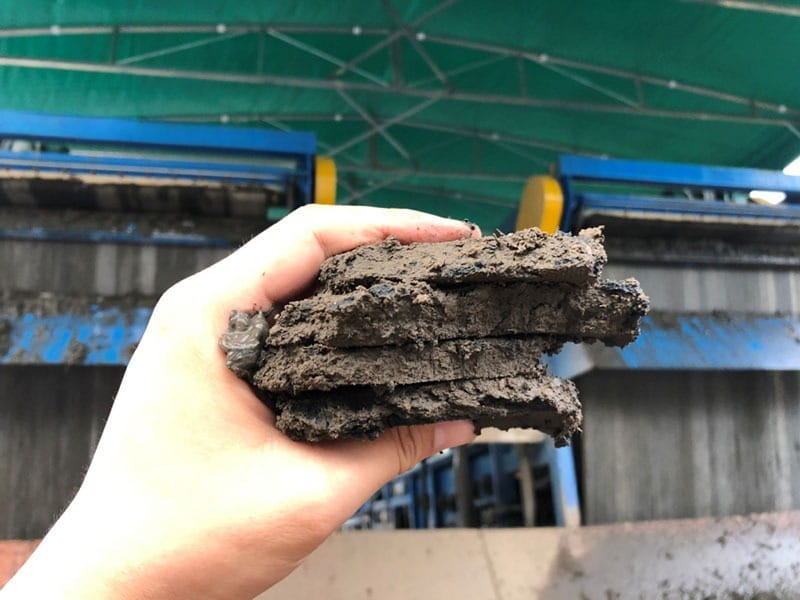
Are you tired of dealing with filter cakes that are wetter than a sponge in a rainstorm?
I get it. How to better dry filter press cake is one of those challenges that can make or break your operation’s efficiency. And when your cake moisture is too high? You’re looking at increased disposal costs, handling nightmares, and downstream processing headaches.
But here’s the good news:
With the right techniques and a systematic approach, you can significantly reduce your filter cake moisture content. In fact, I’ve seen operations cut their moisture levels by 30-40% just by implementing a few key strategies.
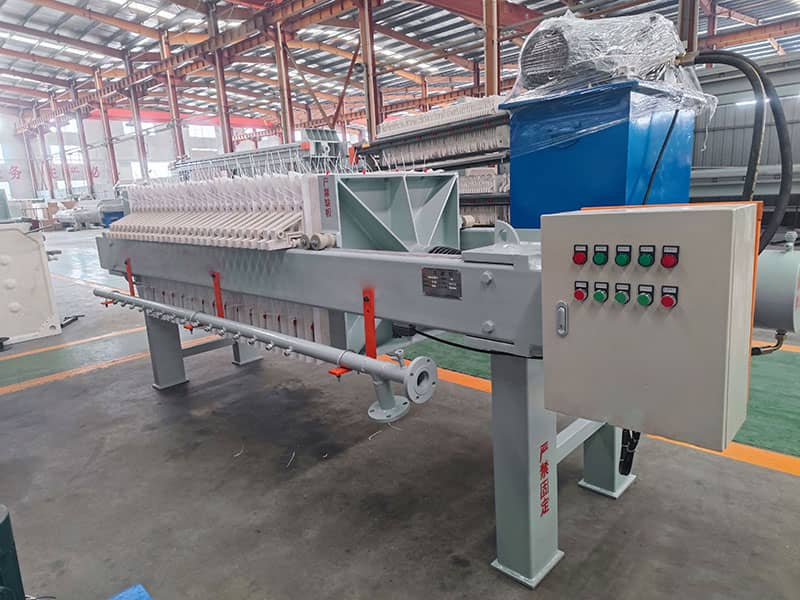
In this guide, as a professional filter press manufacturer, I’ll show you exactly how to achieve drier filter cakes without breaking the bank on new equipment.
Sound good? Let’s dive in.
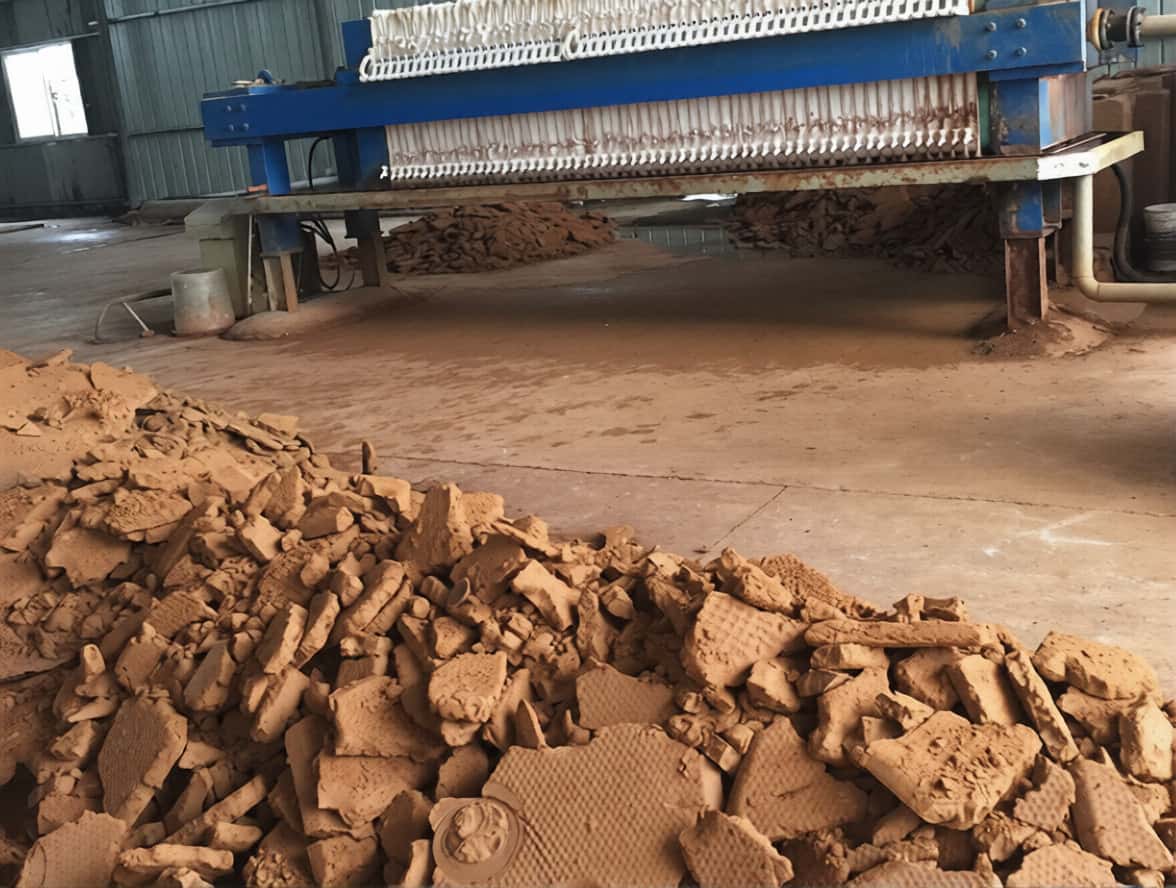
Why Filter Press Cake Dryness Matters
Before we jump into the how-to, let’s talk about why this matters.
A high-moisture filter cake is like carrying around a backpack full of water. It’s heavy, expensive to transport, and makes everything downstream more complicated.
Consider this:
- Every 1% reduction in moisture can save thousands in transportation costs
- Drier cakes mean less energy needed for thermal drying
- Lower moisture = easier handling and reduced labor costs
Bottom line? Optimizing your cake dryness isn’t just about meeting specs. It’s about improving your entire operation’s profitability.
5 Core Methods to Better Dry Filter Press Cakes
1. Master the Air Blowdown Technique
This is the low-hanging fruit of cake drying.
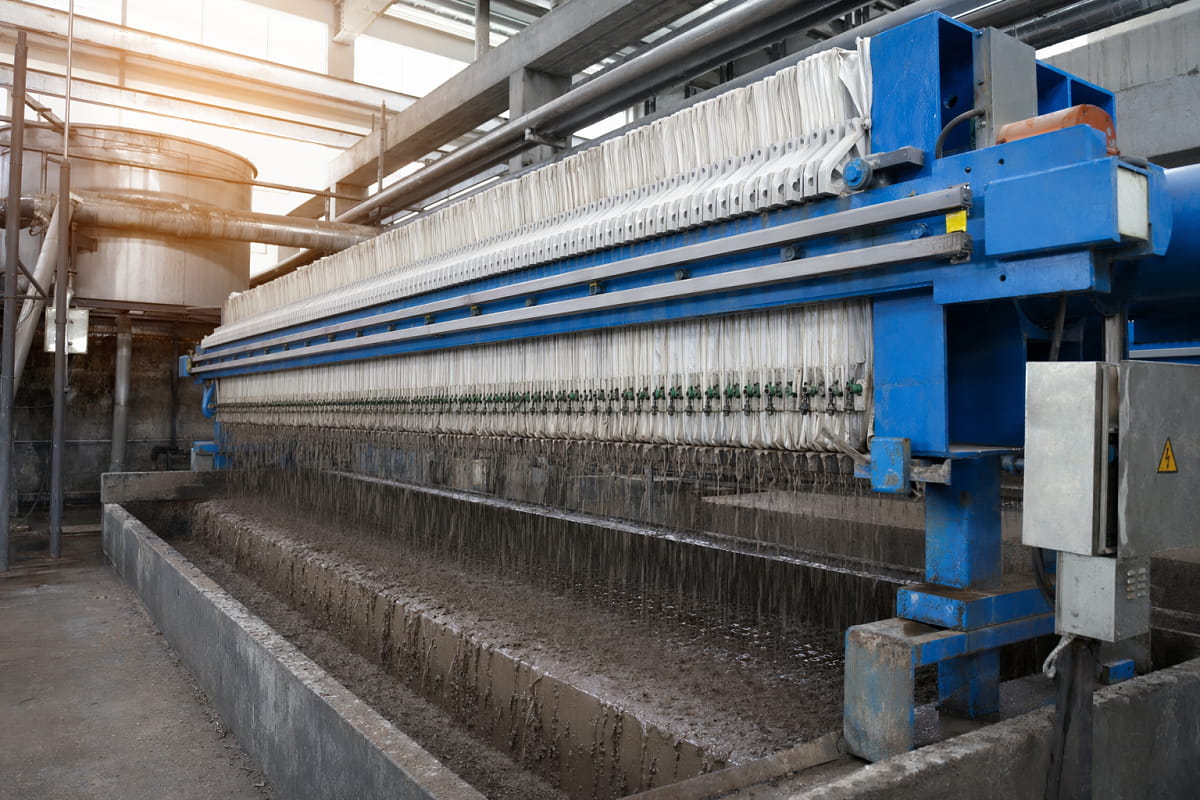
Air blowdown (also called core blow) involves forcing compressed air through your filter cake after the filtration cycle. Think of it like using a leaf blower to dry your car after washing it.
Here’s how to optimize it:
Set your pressure right: Use 35-45 PSI of compressed air. Too low and you won’t push out the moisture. Too high and you risk channeling (creating air paths that bypass wet areas).
Time it properly: Most operations see diminishing returns after 15-20 minutes. Monitor your outlet for moisture – when it stops coming out, you’re done.
Follow the correct sequence: Close your filtrate outlets first, then introduce air from the top corner. This forces air through the entire cake thickness.
Pro Tip: If you’re not using air blowdown yet, this single addition can reduce moisture by 5-10% with minimal investment.
2. Upgrade to Membrane Squeeze Technology
Membrane plates are like giving your filter press a set of muscles.
These special plates have flexible membranes that inflate with water or air after the initial filtration. They literally squeeze additional liquid out of your cake.
The results? I’ve seen moisture reductions of 10-20% compared to standard recessed plates.
But here’s the thing:
Not all materials respond equally to membrane squeezing. Compressible materials (like hydroxides and biological sludges) show the best results. Rigid, granular materials? Not so much.
3. Optimize Your Chemical Conditioning Program
This is where the magic happens before your slurry even hits the filter press.
The right chemical program can transform your impossible-to-filter sludge into a dewatering dream. Here’s what works:
Flocculants: These create larger, more porous flocs that release water more readily. PAM (polyacrylamide) types are your go-to for most applications.
Coagulants: Use these to neutralize particle charges. PAC (polyaluminum chloride) or ferric chloride work wonders for breaking up stable suspensions.
pH adjustment: Sometimes a simple pH tweak (usually to 8-9 for hydroxides) can dramatically improve filterability.
The key? Test different chemicals and doses. What works for your neighbor might not work for you.
4. Dial In Your Operating Parameters
Here’s where most operations leave money on the table.
Your filter press has optimal operating conditions – you just need to find them.
Feed pressure: Start at 60% of maximum and gradually increase. Watch your filtrate flow. When it drops to a trickle, you’ve hit the sweet spot.
Cycle time: Longer isn’t always better. Plot moisture vs. time for your specific material. You’ll find a point where additional time gives minimal benefit.
Temperature matters: Warmer slurries filter faster and release more water. Even a 10°C increase can improve dewatering by 15-20%.
I recently worked with a mining operation that cut their moisture by 8% just by increasing their feed temperature from 20°C to 35°C.
5. Choose the Right Filter Cloth
Your filter cloth is like the tires on a race car – the wrong choice will kill your performance.
Modern synthetic cloths with specialized weaves can make a huge difference. Here’s what to look for:
Proper permeability: Too open and you’ll get cloudy filtrate. Too tight and you’ll get slow filtration and wet cakes.
Release characteristics: Cloths with hydrophobic treatments or special surface textures release cakes more completely, reducing moisture retention.
Material compatibility: Polypropylene works great for most applications, but consider PVDF or PTFE for aggressive chemicals.
Replace worn cloths promptly. That $200 cloth could be costing you thousands in poor performance.
Advanced Techniques for Stubborn Materials
Some materials just don’t want to give up their water. For these challenging applications, you need to bring out the big guns.
Thermal Assistance
Adding heat to your process can work wonders. Options include:
- Steam injection into the feed line
- Heated filter plates
- Hot water cloth washing between cycles
Just remember: energy costs money. Calculate your ROI before going all-in on thermal methods.
Multi-Stage Pressing
This involves partially filling your press, squeezing, then adding more slurry. It’s labor-intensive but can achieve exceptional dryness for difficult materials.
Cake Washing
Sounds counterintuitive, right? Adding water to make things drier?
But here’s why it works: washing displaces the viscous mother liquor with clean water that’s easier to remove. It’s especially effective for materials with dissolved solids.
Real-World Results: Case Studies
Let me share a couple of success stories:
Municipal wastewater plant: Implemented air blowdown and optimized polymer dosing. Result? Moisture dropped from 78% to 65%, saving $200,000 annually in hauling costs.
Chemical manufacturer: Upgraded to membrane plates and added cake washing. Moisture reduced from 55% to 38%, eliminating the need for a thermal dryer.
These aren’t unicorn scenarios. They’re achievable results with the right approach.
Common Mistakes to Avoid
I see these errors all the time:
Rushing the cycle: Patience pays. An extra 10 minutes might save hours of downstream processing.
Ignoring cloth condition: Blinded or worn cloths are moisture magnets. Establish a regular inspection schedule.
One-size-fits-all thinking: What works for one material might fail miserably for another. Always test and optimize.
Neglecting pre-treatment: The best filter press in the world can’t fix poorly conditioned slurry.
Your Action Plan
Ready to start achieving drier filter cakes? Here’s your roadmap:
- Baseline your current performance – measure moisture content for one week
- Implement air blowdown if not already using it
- Optimize your chemical program through jar testing
- Fine-tune operating parameters based on your specific material
- Consider equipment upgrades if the ROI justifies it
Start with the low-cost options and work your way up. You’ll be surprised how much improvement you can achieve without major capital investment.
The Bottom Line
Achieving optimal filter cake dryness isn’t rocket science. But it does require a systematic approach and attention to detail.
The techniques I’ve outlined here work. I’ve seen them transform struggling operations into efficient, profitable ones.
Remember: every percentage point of moisture reduction goes straight to your bottom line. Whether through reduced disposal costs, easier handling, or improved downstream processing.
So take action. Pick one technique from this guide and implement it this week. Measure your results. Then move on to the next.
Before you know it, you’ll be the one teaching others how to better dry filter press cake.
Because at the end of the day, drier is definitely better.