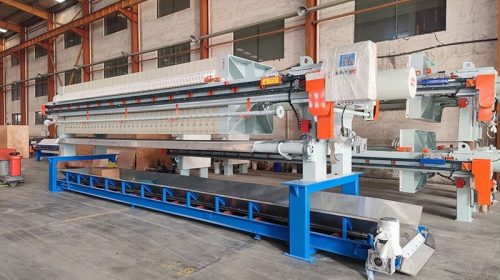
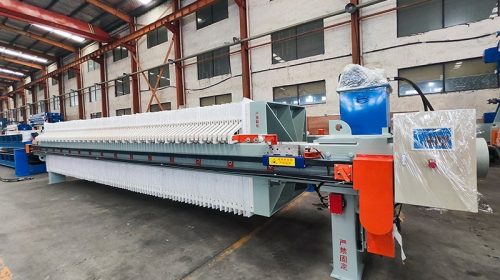
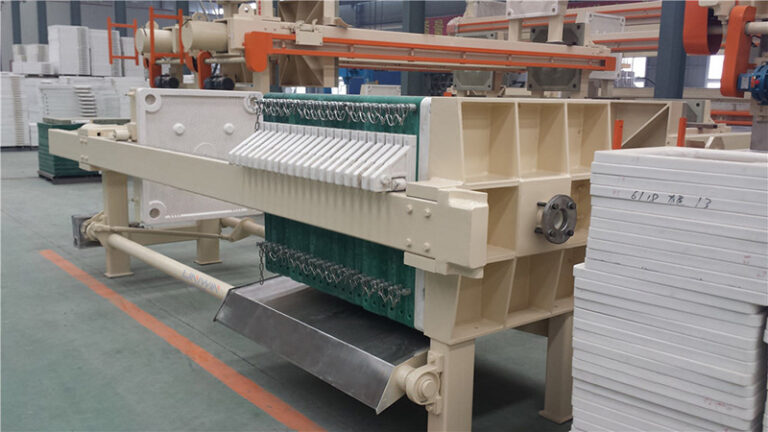
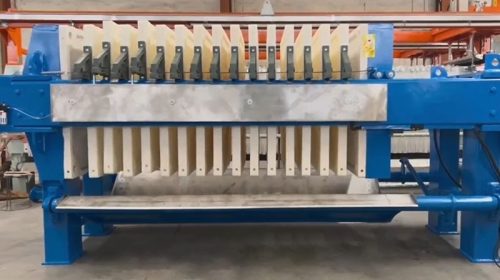
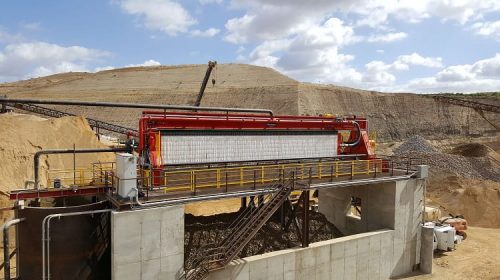
Industrial Filter Press Machines
Looking for the most efficient way to dewater your sludge or slurry? We engineer high-performance filter presses that reduce disposal costs and maximize filtrate purity. From standard Chamber Filter Presses for mining tailings to sanitary Stainless Steel Presses for pharmaceuticals, we have the specialized equipment your industry demands.
No middleman markups.
Tailored plate sizes (320mm - 2000mm) and pressure ratings (up to 30 bar).
Installation guidance and spare parts shipping to 30+ countries.
Types of Filter Press Machines We Offer
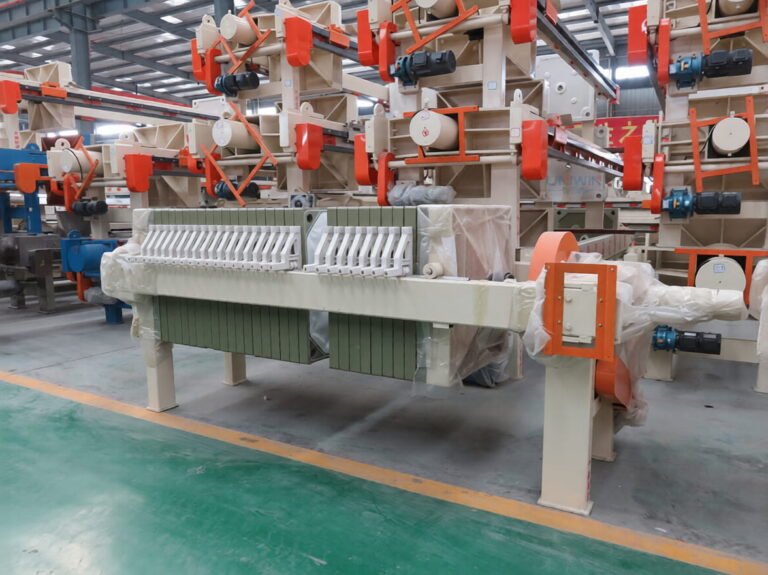
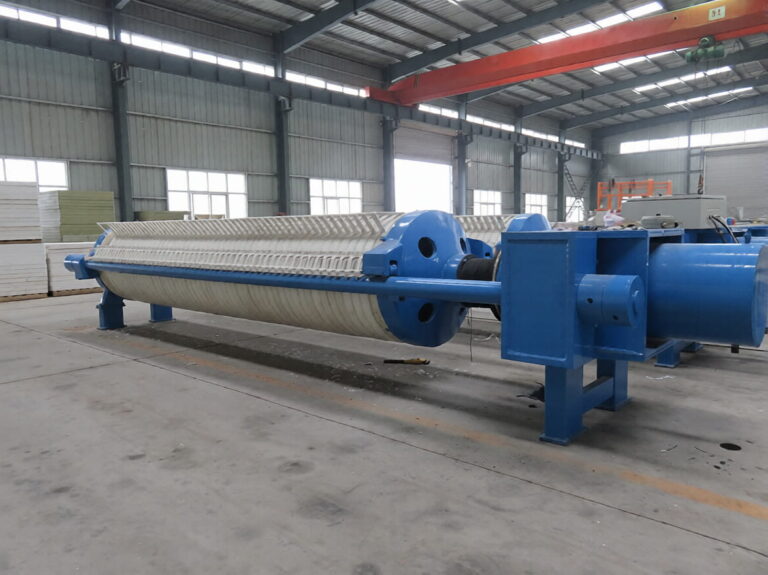
Filter press is an industrial equipment that uses pressure to separate liquids from solids, creating a dry “cake” from wet slurry. Our filter presses can be mainly divided into the following series:
1. Standard & High-Efficiency Series
The workhorses of industrial dewatering. Designed for maximum throughput and dryness.
Key Feature: Plates inflate via water or compressed air after the feeding cycle.
Benefit: Reduces cake moisture by an extra 10-20% compared to standard presses. Drastically shortens cycle times.
Best For: Sludge with high viscosity, chemical dyes, and mining tailings.
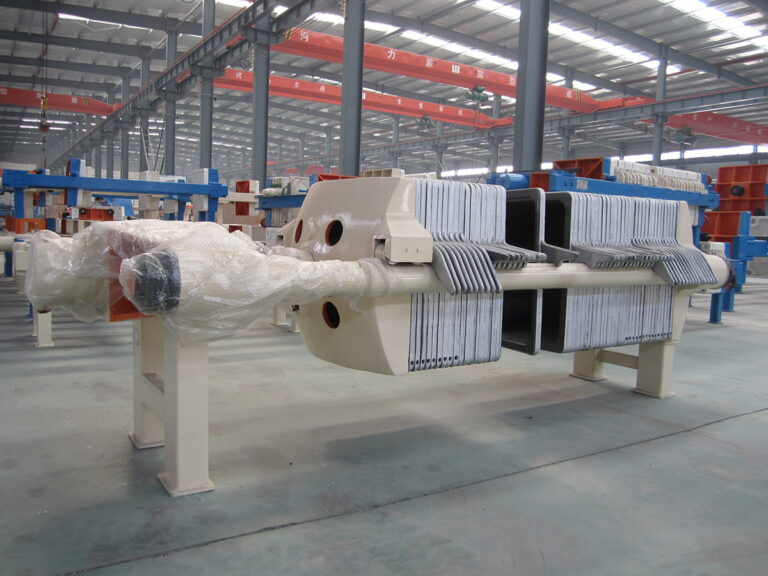
Key Feature: Fixed chamber volume with a robust structural design.
Benefit: Low maintenance, easy operation, and the most cost-effective solution for general dewatering.
Best For: Municipal wastewater, stone cutting, and ceramic slip.
Key Feature: Hydraulic system opens multiple plates (or all plates) simultaneously.
Benefit: Reduces cake discharge time from 20 minutes to just 2-3 minutes.
Best For: Large-scale mining projects or industries with short filtration cycles.
Key Feature: Integrated automatic plate shifting and vibration bars.
Benefit: Mechanical vibration forces sticky filter cakes to fall off, eliminating manual labor.
Best For: Sticky sludges like biological sludge or specific chemical precipitates.
2. Material-Specific & Sanitary Series
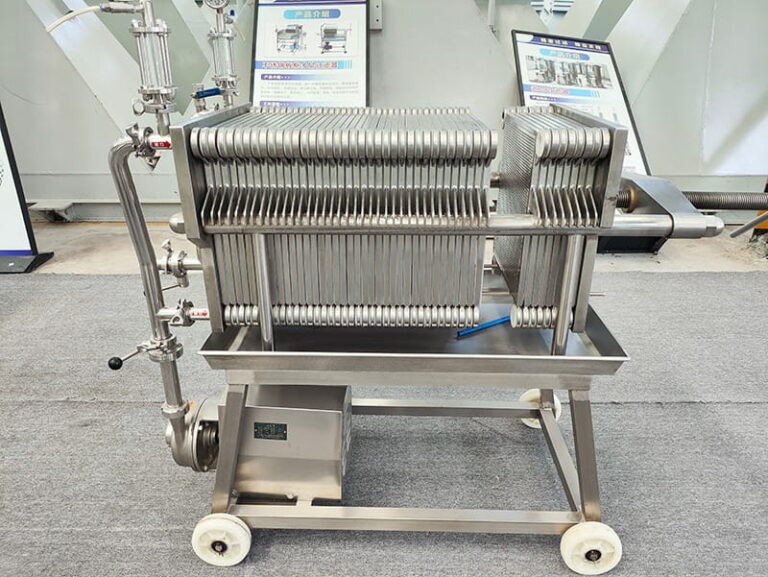
Engineered for corrosive environments, extreme temperatures, and strict hygiene standards (GMP).
Key Feature: Entire frame and contact parts made of high-grade SUS304 or SUS316.
Benefit: Rust-proof, easy to sanitize, and compliant with GMP/FDA standards.
Best For: Food, beverage, and pharmaceutical production.
Key Feature: Classic “one plate, one frame” design using filter paper or ultra-fine cloth.
Benefit: Achieves ultra-high filtrate clarity; allows for easy manual cleaning.
Best For: Blood products, gelatin, fine chemicals, and edible oil polishing.
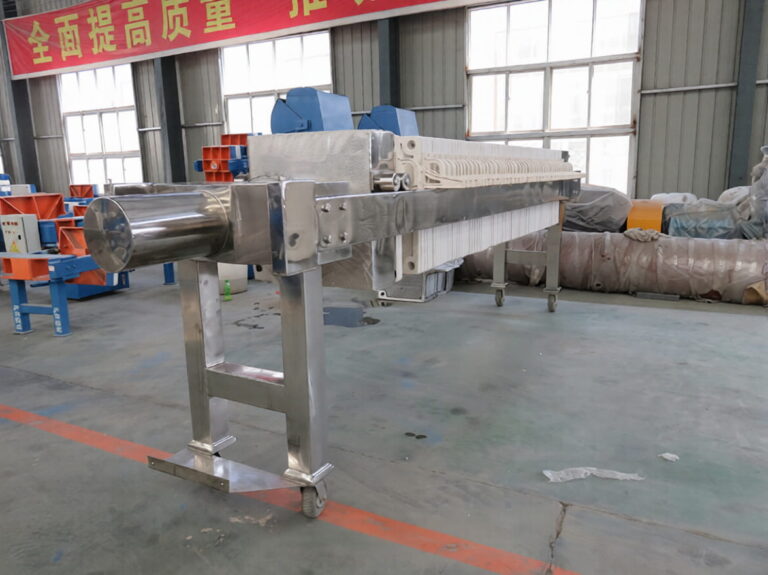
Key Feature: Carbon steel structural frame clad with a protective Stainless Steel 304 shield.
Benefit: Offers the corrosion resistance of stainless steel at a lower cost than a solid SS machine.
Best For: Corrosive chemical environments where budget is a concern.
Key Feature: Plates and frame made of high-strength cast iron.
Benefit: Withstands high temperatures (up to 300°C) where PP plates would melt or deform.
Best For: Oil refining, petrochemicals, and high-temperature material filtration.
Key Feature: “Caulked, Gasketed, Recessed” (CGR) plates with O-ring seals.
Benefit: Ensures zero leakage during filtration. A closed system for hazardous materials.
Best For: Toxic solvents, volatile liquids, and precious metal recovery.
3. Specialized & Automatic Solutions
Advanced configurations for specific operational requirements.
Key Feature: Reinforced frame and hydraulics designed for 20-30 bar (vs standard 6-10 bar).
Benefit: Forces water out of the most difficult-to-dewater materials, yielding a harder cake.
Best For: Deep cone thickener underflow, specific mining concentrates.
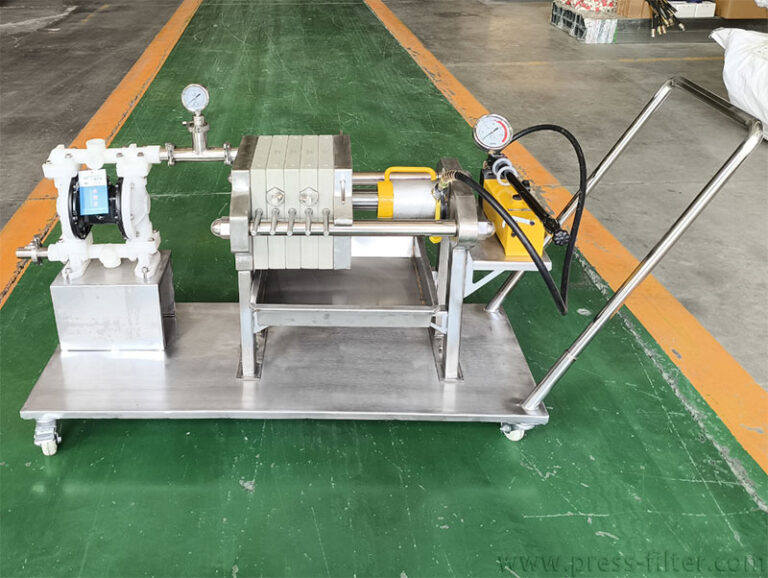
Key Feature: Skid-mounted system with wheels, often integrating the pump and control panel.
Benefit: Portable solution for multi-site operations or temporary dewatering projects.
Best For: Environmental cleanup services, rental fleets, and scattered sewage tanks.
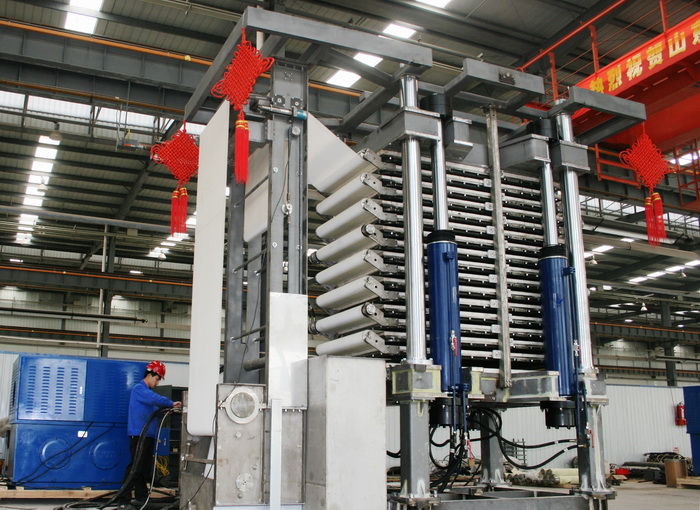
Key Feature: Plates are stacked vertically; filter cloth moves like a conveyor belt.
Benefit: Compact footprint; utilizes gravity for efficient washing and cake discharge.
Best For: Specialized chemical processes requiring intensive cake washing (e.g., Lithium extraction).
4. Small Scale & Manual Operations
Economical choices for pilot testing, labs, and small batch production.
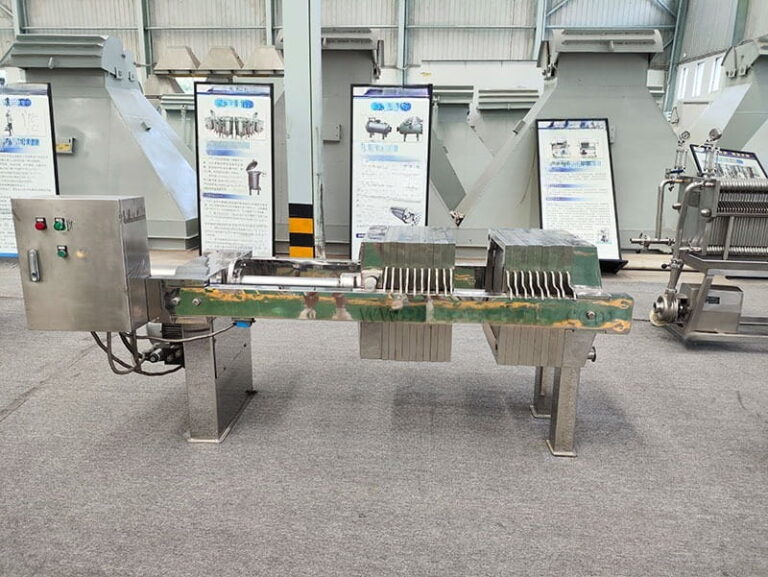
Key Feature: Miniature version of industrial presses (Plate sizes: 250mm/320mm).
Benefit: Provides accurate data for scaling up to mass production.
Best For: University research, feasibility studies, and new material testing.
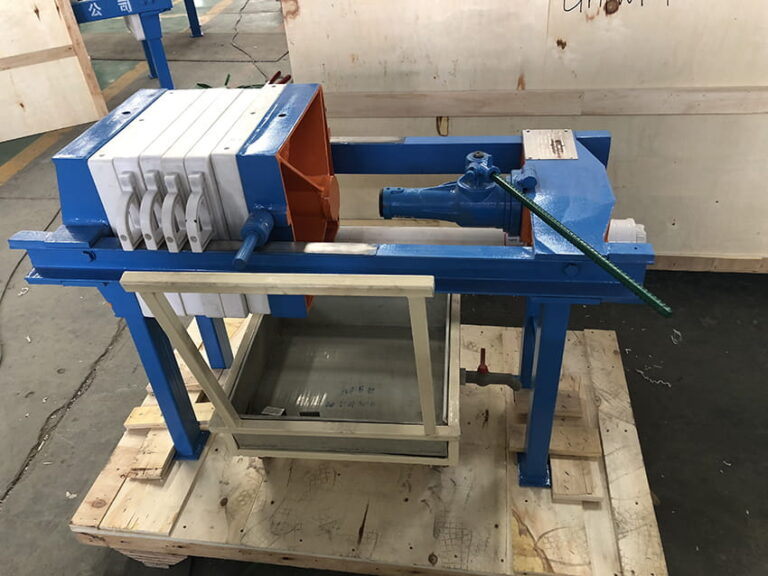
Key Feature: Uses a mechanical screw jack or hydraulic jack for manual clamping.
Benefit: Lowest cost, zero power consumption for closing, and extremely easy to maintain.
Best For: Small workshops, remote areas with unstable power, and occasional use.
How to Choose the Right Filter Press Machine?
Selecting the correct equipment depends on your material characteristics, capacity, and target dryness. Use this guide to narrow down your options.
- By Material & Industry
- General Wastewater / Mining Tailings: The Recessed Chamber Filter Press is your most cost-effective choice. It handles large volumes of heavy sludge reliably.
- Chemical / Biological Sludge: If your material is sticky or hard to dewater, the Membrane Filter Press is essential. Its secondary squeezing function extracts 10-20% more moisture.
- Food / Pharma / Fine Chemicals: For hygiene and high precision, choose the Stainless Steel or Plate & Frame series to prevent contamination.
- By Automation Level
- Manual: Best for small batches (1-2 cycles per day) or budget-sensitive projects.
- Semi-Auto: Hydraulic closing, but manual plate shifting. Good for medium operations.
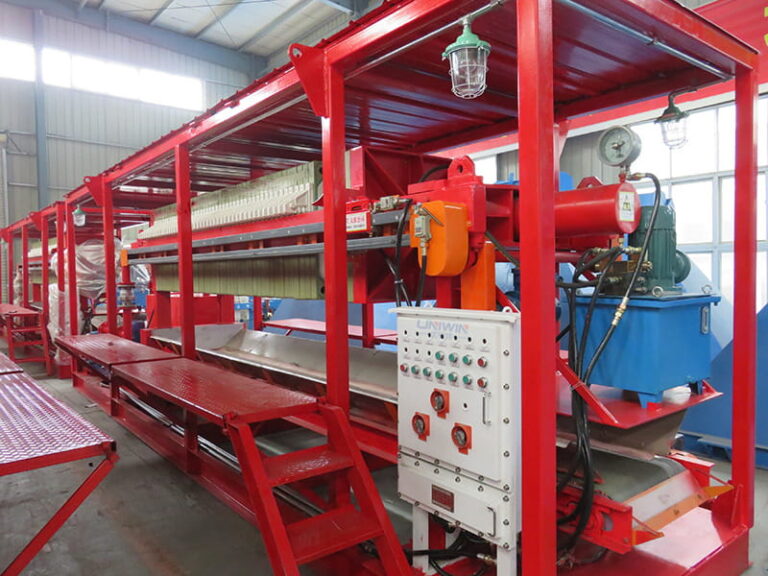
- Fully Automatic: Features Auto Plate Shifting, Auto Cloth Washing, and Bomb Doors. Recommended for large-scale, 24/7 operations to minimize labor costs.
Need Help Choosing?
Not sure which type fits your slurry? Our engineers can help you select the right plate type, material, and automation level based on your specific industry.
Performance Comparison: Cake Dryness by Machine Type
See the difference in final cake solid content (%) across different filter press technologies.
| Filter Press Type | Average Cake Solid Content (%) |
|---|---|
| Standard Chamber | 65% |
| Plate & Frame | 70% |
| High Pressure | 78% |
| Membrane Squeeze | 85% |
Note: The Membrane Filter Press achieves the highest dryness due to the secondary squeeze function.
Why You Should Invest Filter Press?
Let’s talk ROI (because that’s what really matters).
A typical filter press setup costs $50,000-$500,000. Sounds expensive?
Here’s what you get:
- Operating costs: 1/6 of belt presses or centrifuges
- Drier cakes: 25-45% solids vs 18-25% from belt presses
- Less maintenance: Fewer moving parts = fewer breakdowns
One client saved $2.3 million annually just on disposal costs. Their filter press paid for itself in 4 months.
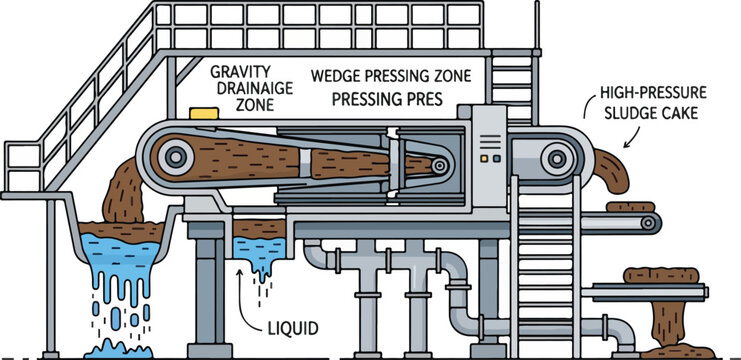
Filter Press vs. Other Dewatering Methods
- Filter Press Advantages
- Highest cake dryness
- Lower operating costs
- Better with difficult materials
- Handles varying feed conditions
- When to Choose Alternatives
- Centrifuges: When you need continuous operation
- Belt presses: For easy-to-dewater materials
- Screw presses: Small volumes, simple operation
Main Components of Filter Press
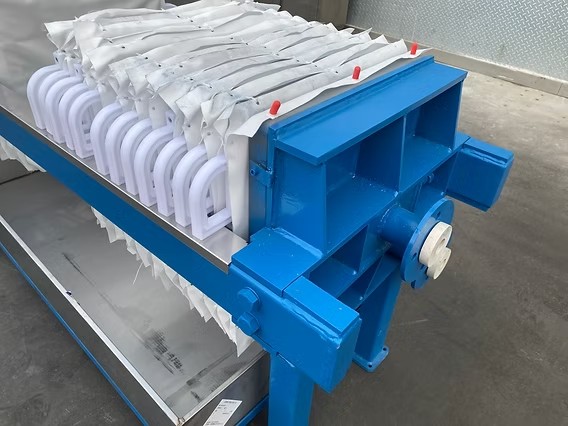
1. The Frame
This is the skeleton that holds everything together. Without a sturdy frame, you’re looking at a pressure disaster.
Most frames use either:
- Overhead beam design (better for high-pressure washing)
- Side beam design (more compact, lower pressure applications)
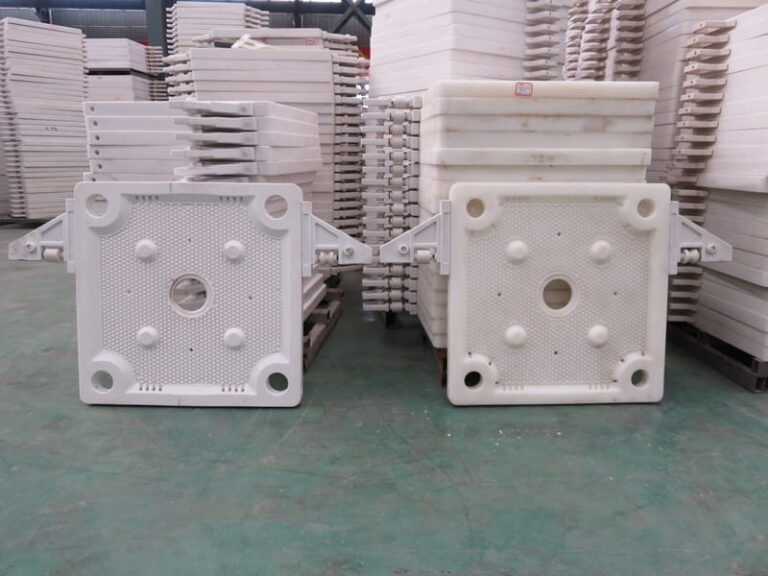
2. Filter Plates
These create the chambers where the magic happens. Modern plates come in three main types:
Recessed chamber plates – The workhorse of the industry
Membrane plates – Extra squeeze for maximum dryness
Plate and frame style – Old school but still useful for certain applications
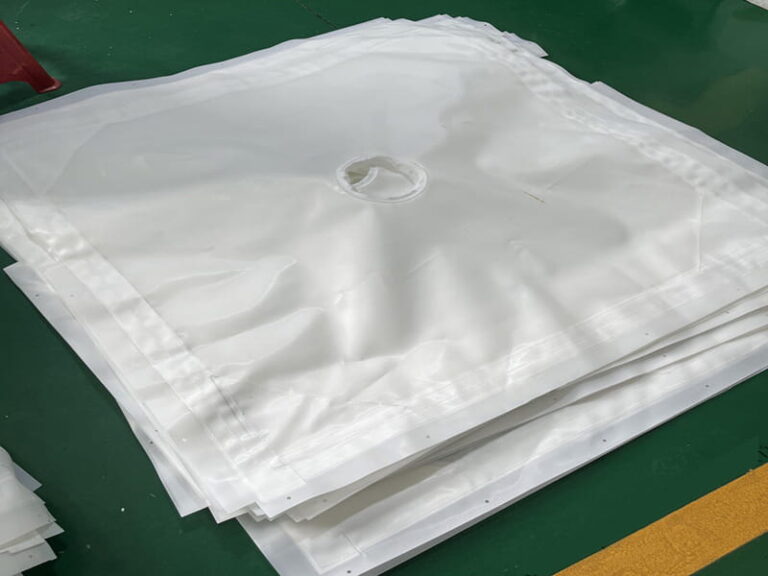
3. Filter Cloth
This is where the actual filtration happens. The cloth needs to:
- Let liquid through
- Trap solids effectively
- Release the cake cleanly
- Last for hundreds of cycles
Pro tip: Choosing the wrong cloth is the #1 mistake I see companies make. It can literally double your operating costs.
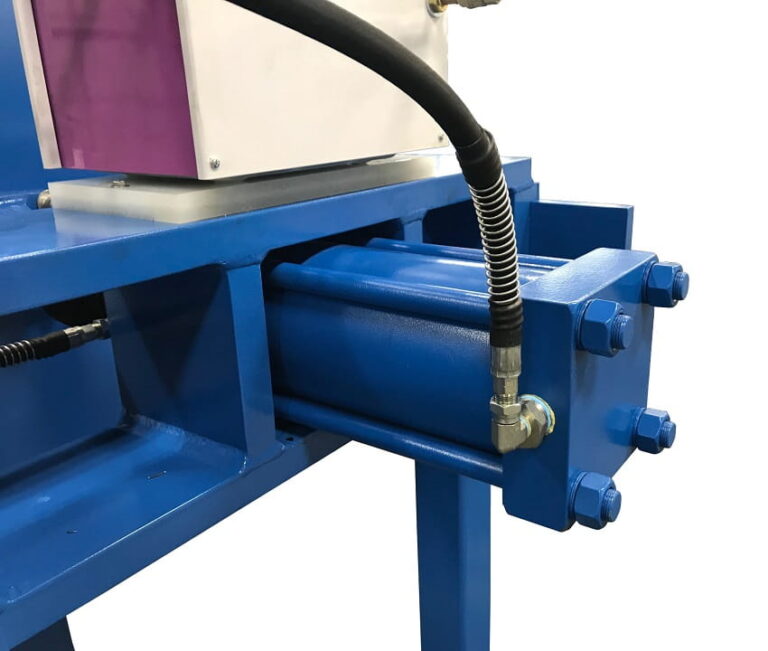
4. The Hydraulic System
Provides the muscle to compress everything together. No pressure = no dewatering.
How Does a Filter Press Work?
A filter press is a batch operation, fixed-volume piece of equipment that separates liquids and solids using pressure filtration.
- Closing: The hydraulic ram pushes the steel head plate, clamping the filter plates together to seal the chambers.
- Feeding: The slurry pump feeds material into the chambers. Solids are trapped on the filter cloth, forming a “cake,” while clean filtrate passes through.
- Filtration: As the chambers fill, pressure builds up (6-20 bar), dewatering the cake.
- Squeezing (Optional): For Membrane presses, water/air inflates the plates to squeeze the cake further.
- Discharging: The hydraulic ram retracts, and plates are shifted (manually or automatically) to let the dry cakes fall out.
How to Choose the Right Filter Press (Your Checklist)
Here’s exactly what to consider:
- Material characteristics – pH, temperature, particle size
- Required capacity – gallons/day of slurry
- Target dryness – What solids % do you need?
- Space constraints – Overhead beam needs height
- Automation level – Manual, semi-auto, or full auto?
- Budget – Initial cost AND operating costs
* Pro tip: Always pilot test with your actual material. Lab tests lie.
Frequently Asked Questions (FAQ)
Q: Can you customize the voltage and motor for my country?
A: Yes! We standardly provide 380V/50Hz/3Phase, but we customize motors and control panels for 220V, 415V, 440V, 480V, and 60Hz to match power grids in the USA, Philippines, Canada, etc.
Q: How do I calculate the filter area I need?
A: Filter area depends on your solid capacity (kg/h) and slurry concentration. Contact us with your daily wastewater volume, and our engineers will provide a free calculation and model selection within 24 hours.
Q: What is the lead time for a standard machine?
A: For standard models (e.g., Chamber 630, 800, 1000 series), our production time is typically 10-15 working days. Customized or oversized units may take 20-30 days.
Filter Press Applications

Mining Operations
Filter presses can help to reduce massive tailings and save disposal costs.
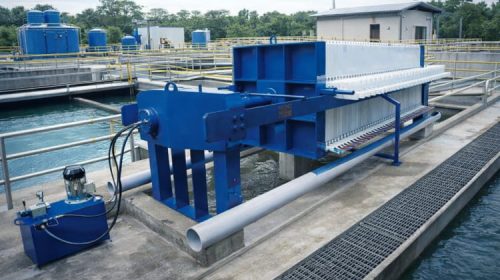
Wastewater Treatment
Municipal plants use filter presses to turn sewage sludge into manageable solids.
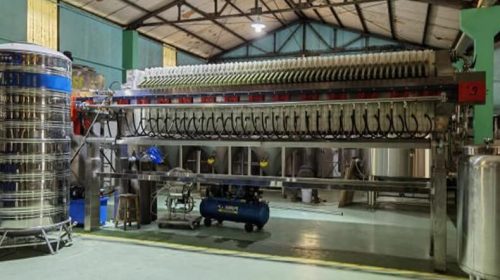
Food & Beverage
The spent grains from breweries or pulp from juice production will be send to filter presses.
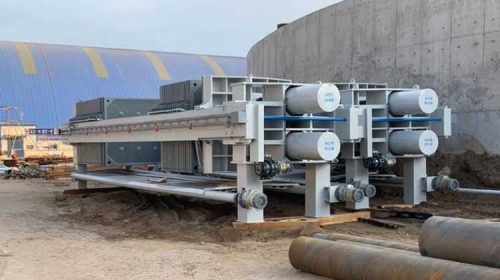
Chemical Manufacturing
Filter presses help to recover valuable materials, meet discharge regulations and reduce hazardous waste volumes.
Why Choose Us as Filter Press Supplier
Robust Construction
Heavy-duty steel frames designed for high-pressure operations (up to 25 bar).
Automated Systems
Fully automatic PLC control, plate shifting, and cloth washing options.
Customization
Tailored filter plate sizes, cake thickness, and filtration areas to match your capacity.
Global Support
Fast shipping of spare parts and online technical guidance.
Contact Us
Ready to Optimize Your Filtration Process? Stop wasting money on inefficient sludge disposal. Contact our engineers today for a free consultation and model selection.
